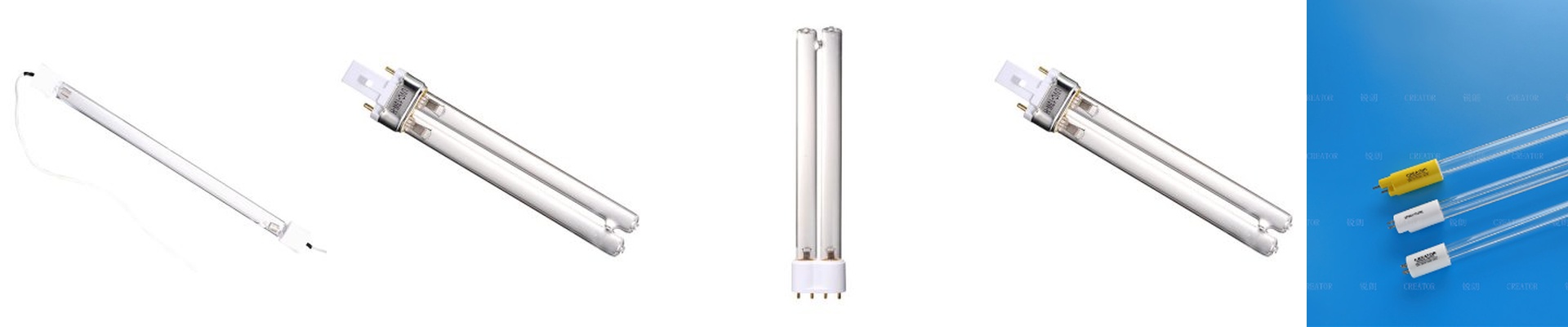
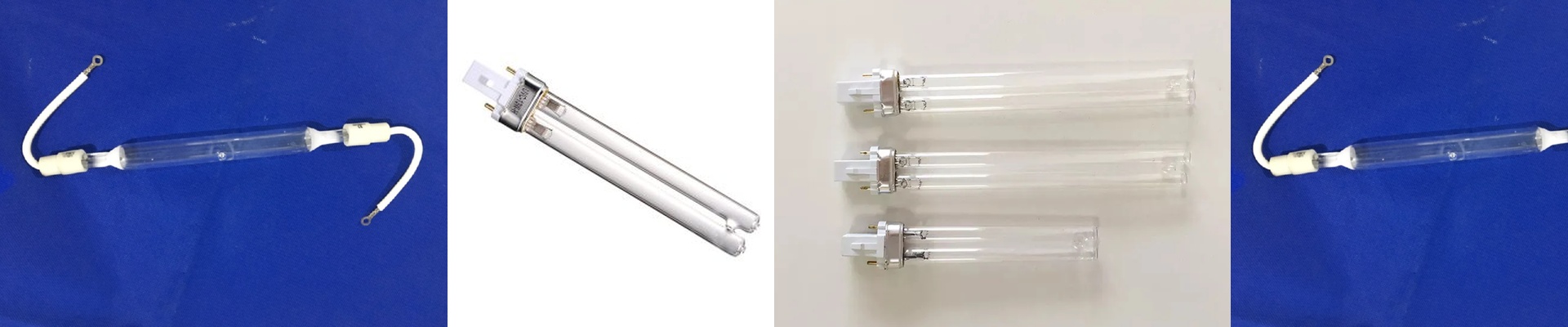
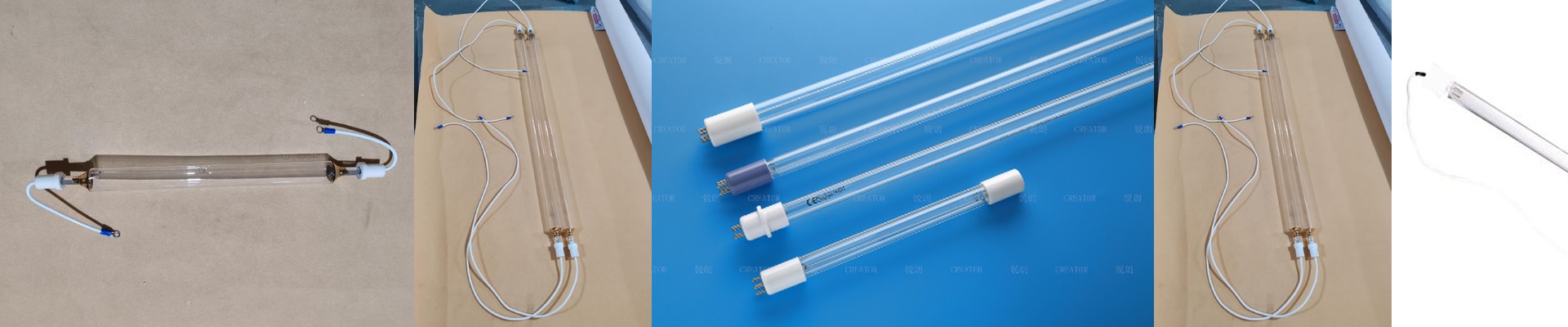
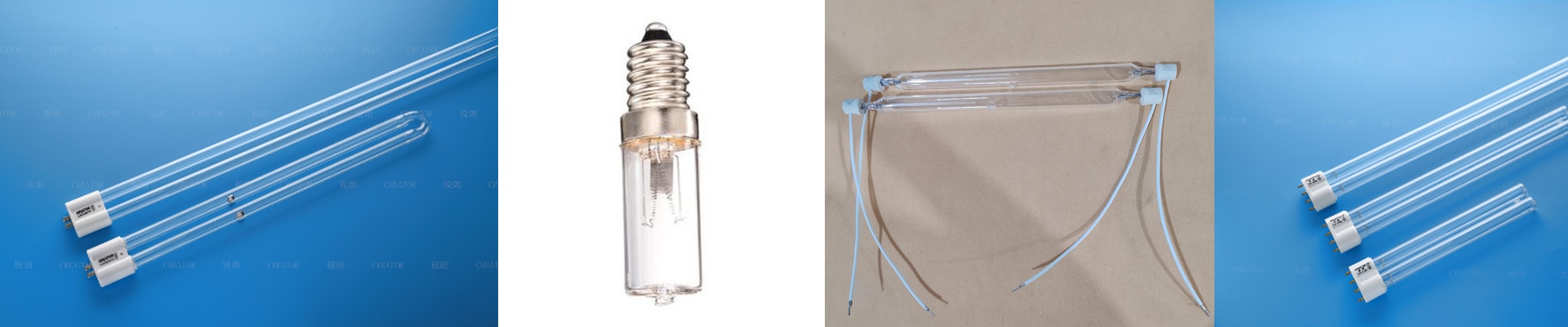
The Real Risk of Using Generic UV Bulbs
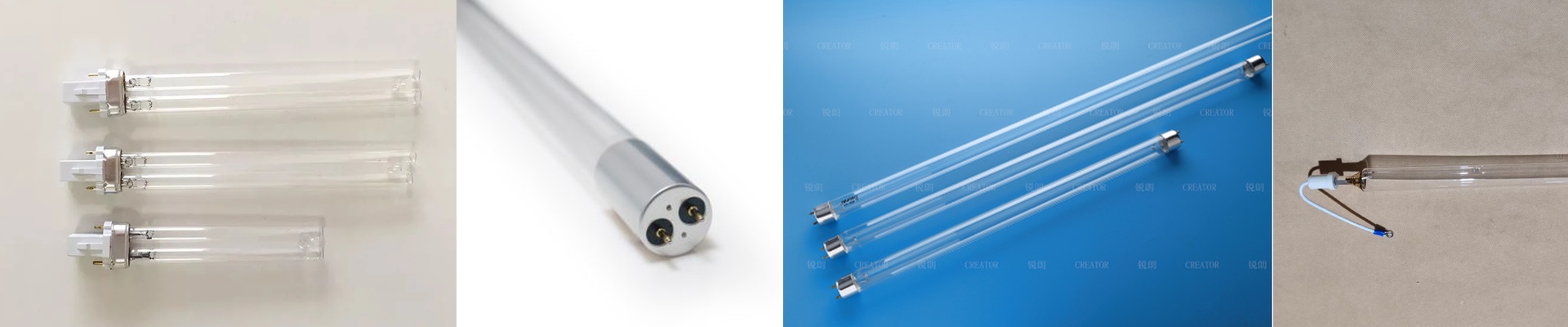
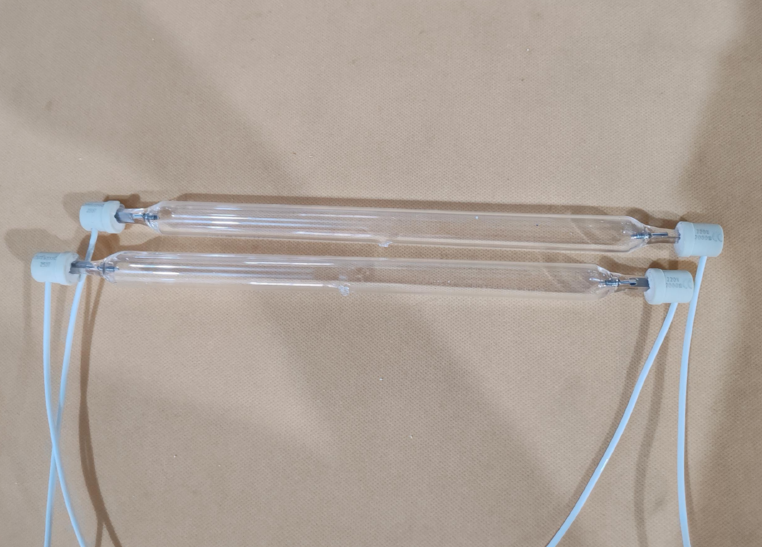
Standard mercury UV bulbs are the heavy lifters of the industrial coating world. They use a specific blend of mercury vapor and quartz glass to get those polymers to cross-link. But here is the thing: when you order one of these lamps, you aren’t just buying a piece of glass. You’re buying a very specific light recipe.
Why the “Clone” Route is Risky
Most generic bulbs are just copies. They look the same, they fit the same, and they pull the same wattage as the big-name brands, but they don’t own the patents. That sounds like a great way to save a few bucks—until you try to ship your machinery across a border. Customs agents in strict markets aren’t just looking at the crates. They’re looking for patent infringements on things like the electrode design or how the quartz is doped. If your supplier is just copying someone else’s homework, your shipment gets flagged. Then your gear sits in a warehouse at some port while you fight a legal battle you didn’t see coming. We do things differently. We use our own patented tech for everything—the arc stability, the gas fill, the seals. It’s a drop-in replacement that doesn’t trigger any red flags during export. It just moves.
A Word on the Heat
Physics is a stubborn thing. High-output mercury lamps get hot. Really hot. Our designs are great at converting energy into UV, but you still have to deal with the leftover IR radiation. If you try to squeeze a high-wattage bulb into a chassis that wasn’t built for it, you’re going to fry your reflectors. Before you swap them out, just double-check that your cooling fans can actually handle the heat load of the wattage you’ve picked. It’ll save you a massive headache later.
The Big Picture
Using a supplier who actually owns their patents takes the “legal lottery” out of your supply chain. You get the same spectral curve every time, and your machines clear customs without a hitch. It’s the simplest way to make sure your margins stay protected and your delivery dates actually mean something.