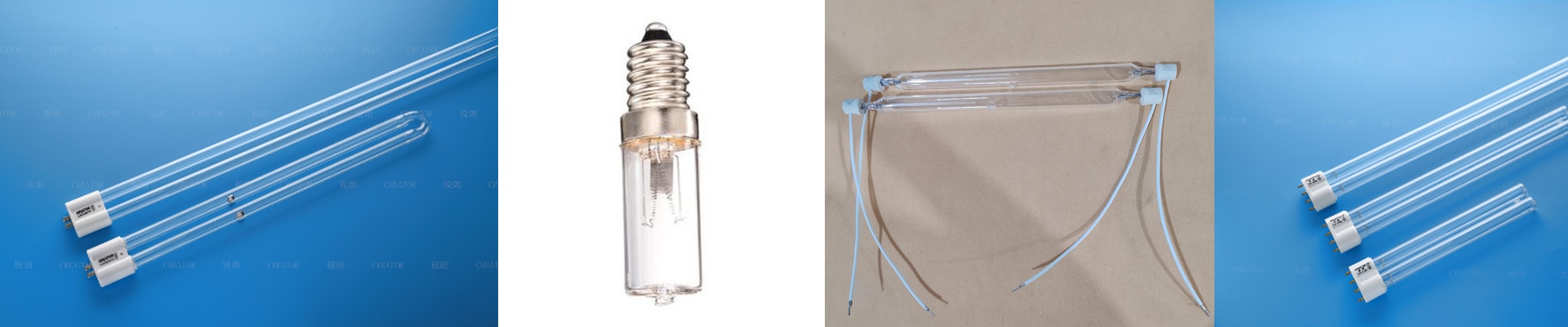
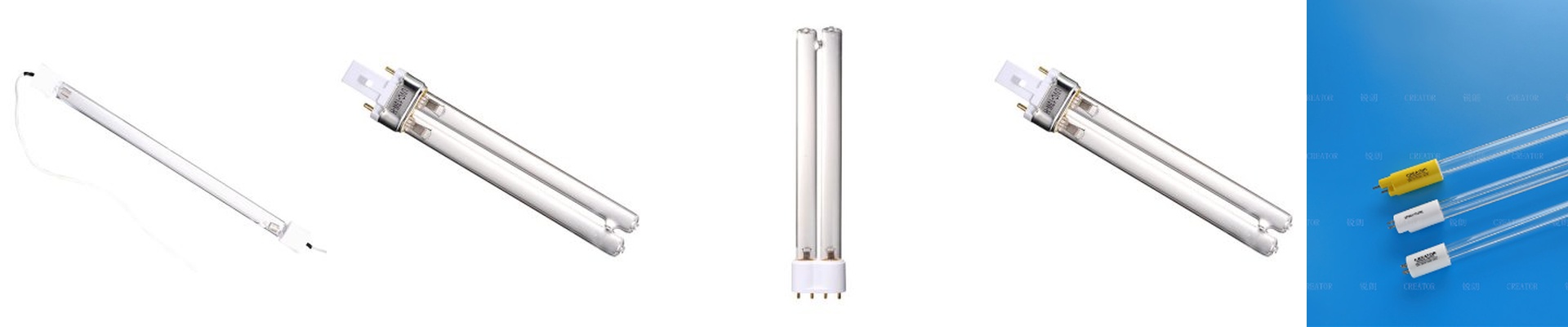
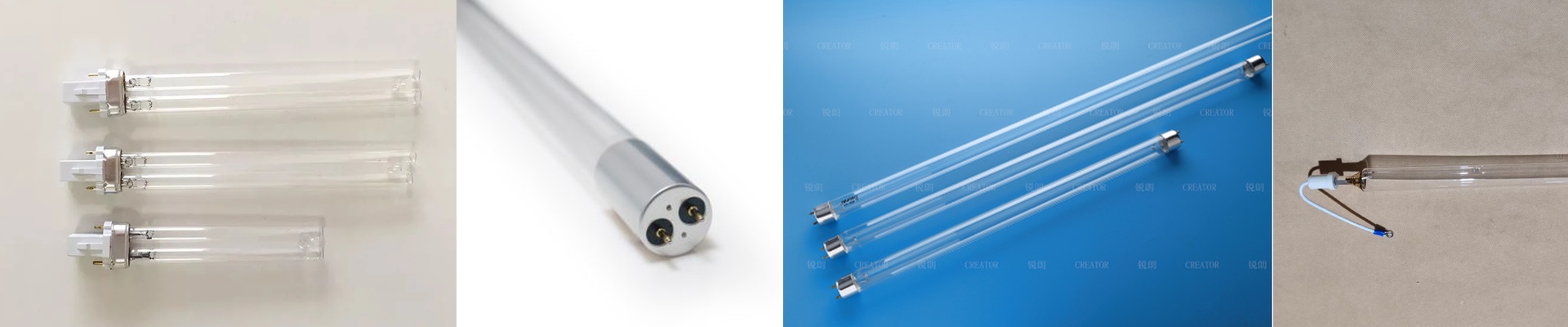
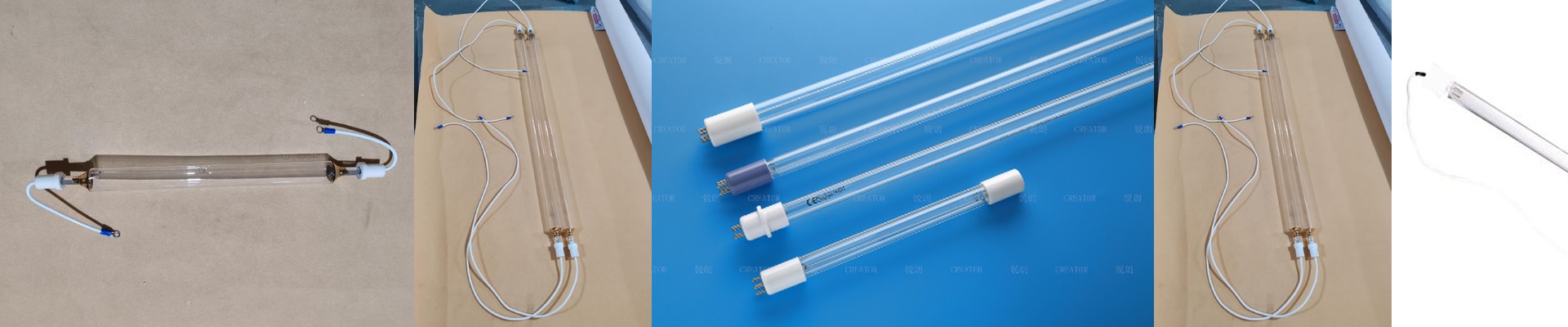
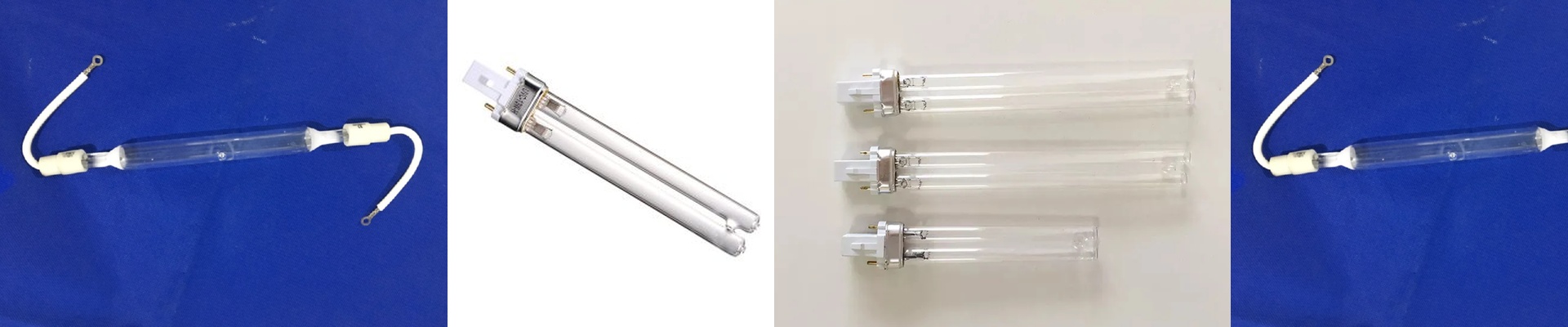
Let’s Talk About UV Curing Lamps
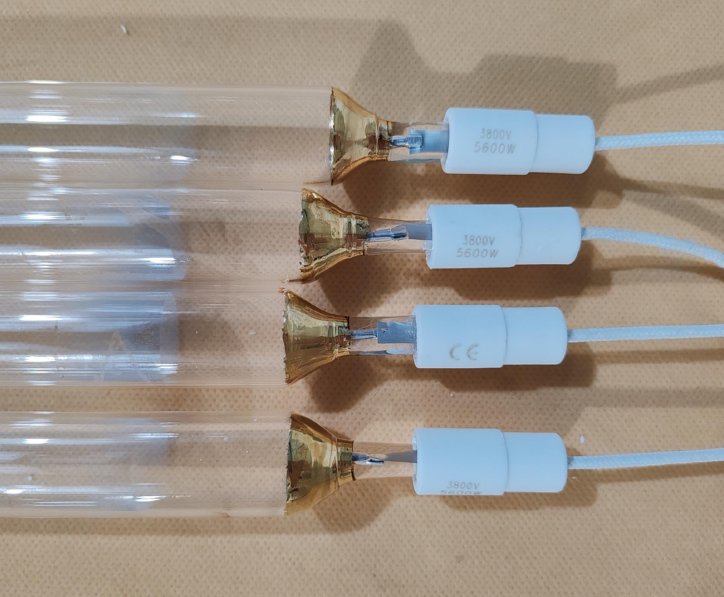
We spent 15 years in the trenches of OEM production before we finally decided to build our own line of UV curing lamps. Here is the thing about industrial automation: a lamp isn’t just a light bulb. It’s the trigger for a chemical reaction. If the wavelength drifts even a little, or the intensity dips, your coatings won’t cure. Your throughput crashes. Your day gets a lot more stressful. The battle with heat and stability To get resins and inks to actually harden, you need the energy to hit the photoinitiator exactly right. We focus on narrow-band emission because that’s the only way to be sure the job gets done. Now, high-wattage tubes are great for fast conveyor belts because they cure things quickly. But there’s a catch. They generate a massive amount of heat. If your cooling fans and heat sinks aren’t up to the task, your lamp is going to burn out way too soon. It’s a balancing act. The stuff we use to build them We don’t use standard glass for the envelopes—that would just block the UV radiation. Instead, we use high-purity fused quartz. We also spent a lot of time tweaking the electrode geometry. Why? To stop that annoying “end-blackening” that usually kills a lamp’s lifespan. Plus, we built the connectors to handle heavy vibrations. We make sure the fit is tight so you don’t have to worry about arcing at the pins when you hook it up to the ballast. Making it work with your setup Most of our lamps are designed to be drop-in replacements. We kept the footprints identical so you don’t have to waste time redesigning your mounting brackets. I’ve seen too many cases where a lamp is off by just a few millimeters, creating mechanical stress on the quartz tube until it finally cracks. We don’t do that. We hold our tolerances to the millimeter. You get the same punch as the big global brands, but without the nightmare lead times. Whether you’re doing PET curing, electronics potting, or automotive clear-coats, they just work.