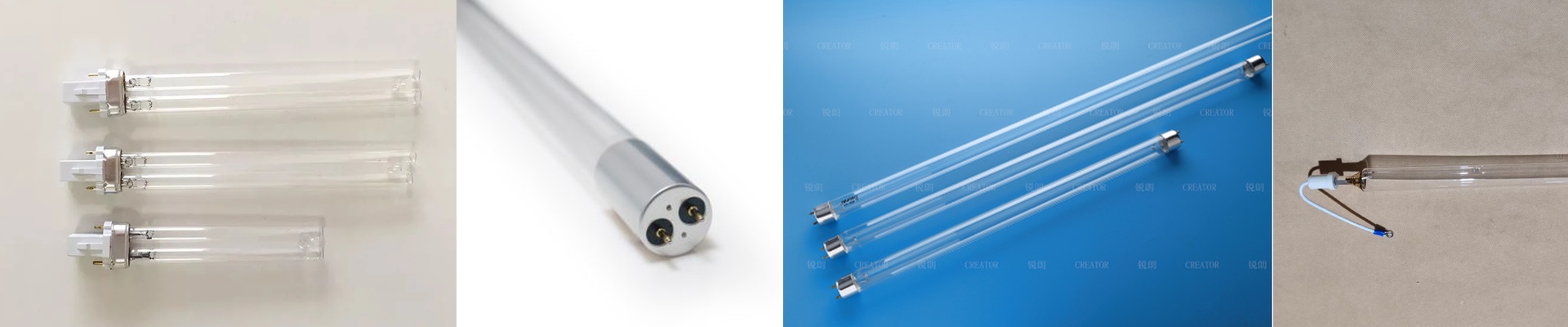
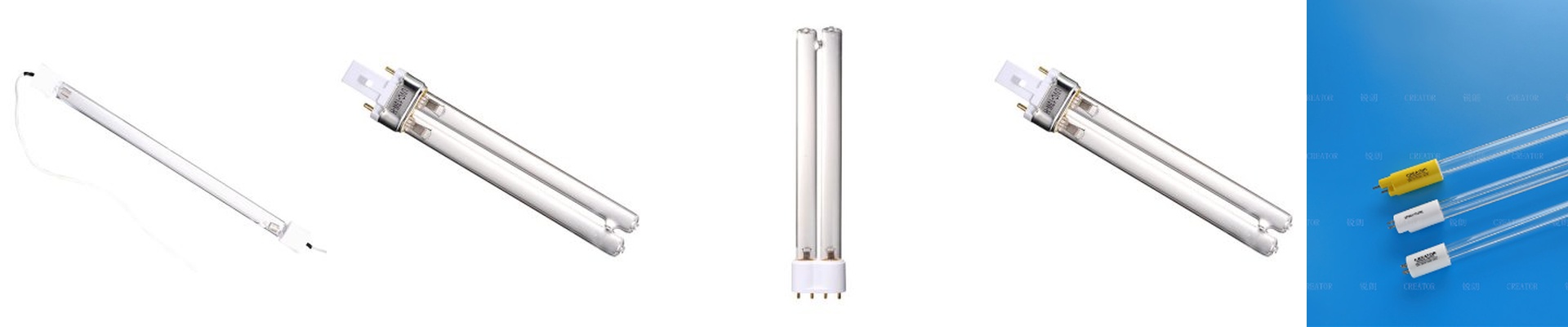
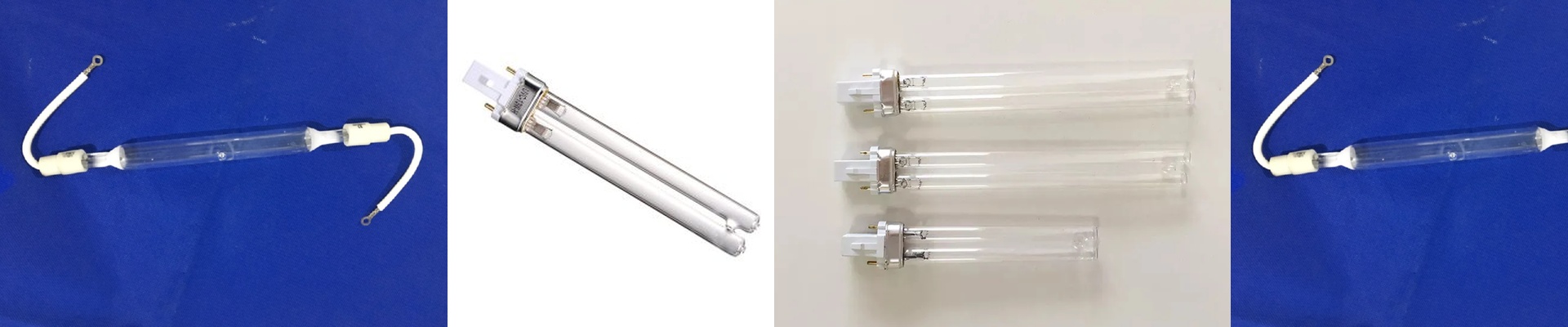
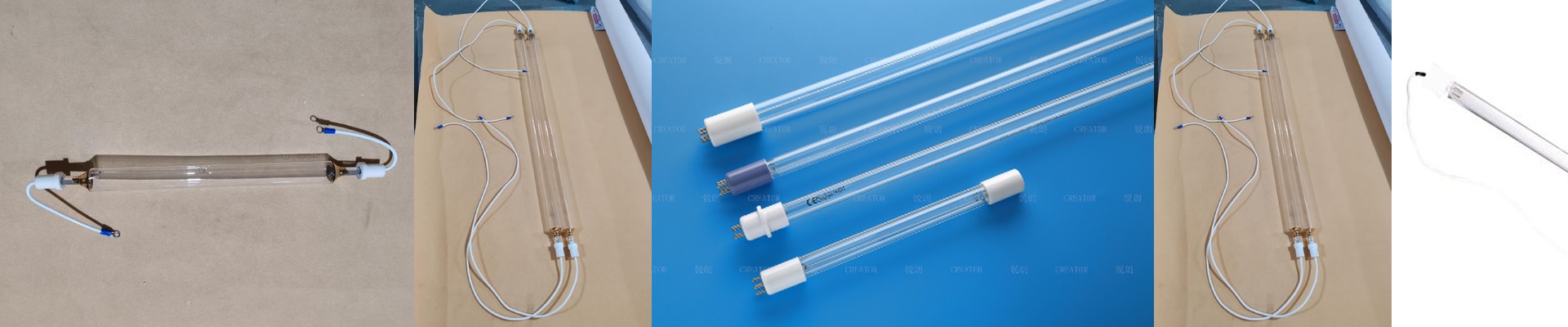
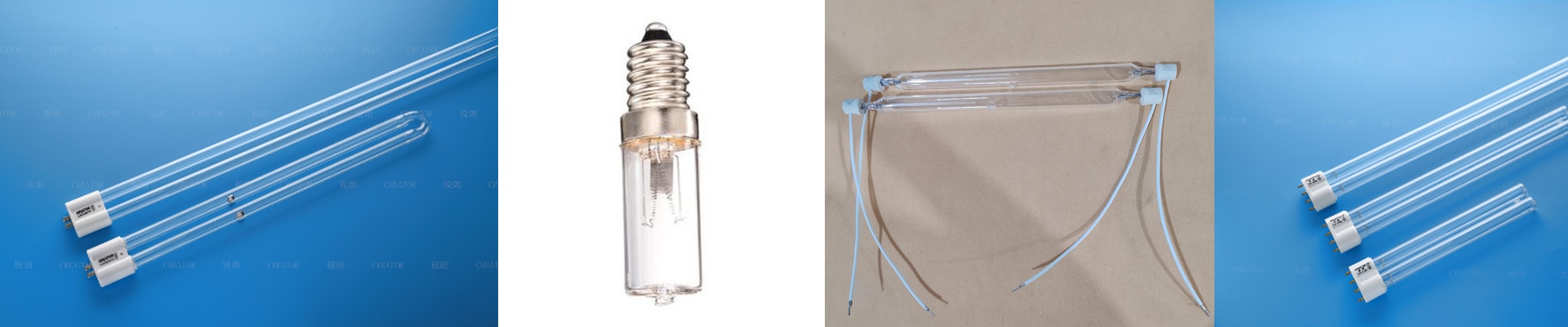
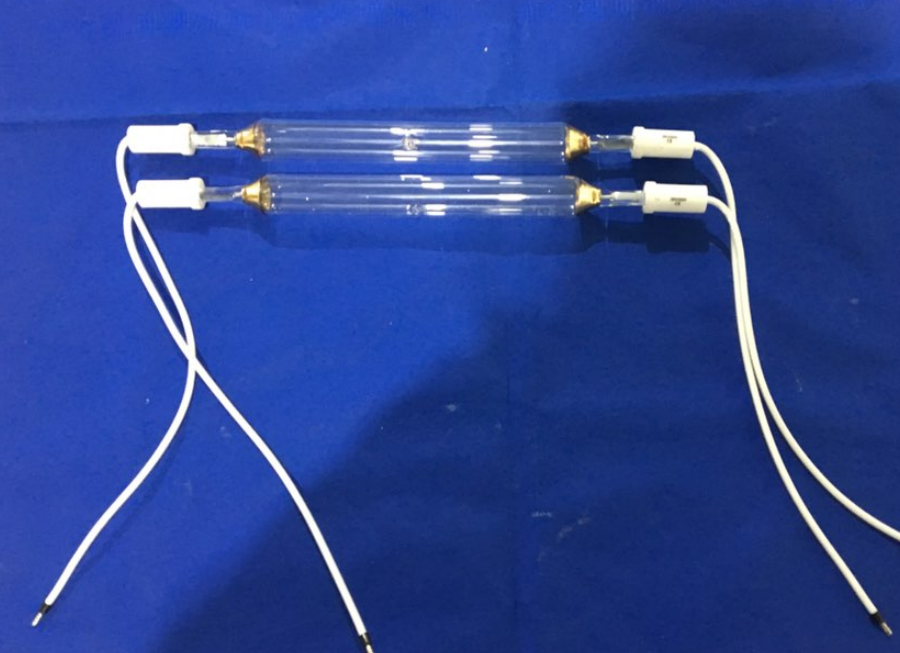
On the press floor, the wrong UV lamp doesn’t just cost you time. It shows up as uncured ink on the stack, lamination adhesion that falls apart, and heat-sensitive substrates warping under too much IR. What you need is repeatable dose—plain and simple—not a guess. What matters, technically We start with a high-pressure mercury vapor source and hold the spectral output steady where photoinitiators actually absorb: 365 nm for deep through-cure, and strong output in the 385–405 nm range for surface cure and pigmented inks. Then we tune peak irradiance so the energy density (mJ/cm²) hits the substrate at production speeds, and the ink cross-links clean—no solvents to chase. A dichroic-coated reflector keeps the output concentrated in the target band and cuts wasted IR, so substrate temperature stays under control. And we don’t assume output—we measure it with a spectral radiometer. Why this works in real press rooms In UV offset, flexo, and screen lines, the lamp has to fit the press geometry and speed. You don’t bend the line around the lamp. When the spectral balance and irradiance profile are right, you get consistent cure at higher speeds, fewer rejects from tack or adhesion issues, and lower energy draw per impression. With stable output over time, you stop chasing cure mid-run, and you stretch lamp service intervals—fewer lamp changes, less downtime. Things you already know, but are worth saying anyway Match the lamp to the fixture: power supply, connector, and reflector shape have to line up with your curing module. Output is sensitive—clean reflectors and precise lamp positioning matter. Even a small misalignment shifts dose. Check ozone management and ventilation. Some high-output mercury lamps make ozone, and it needs to be exhausted. And if you’re running heat-sensitive films, confirm the IR fraction and substrate temperature limits before you commit to full production.