Getting Your UV Sterilization Right (Without the Headaches)
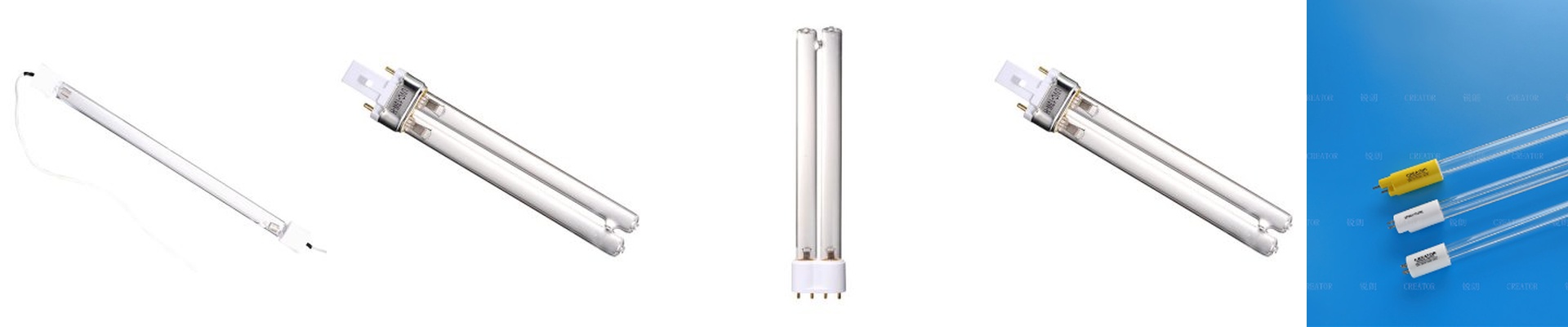
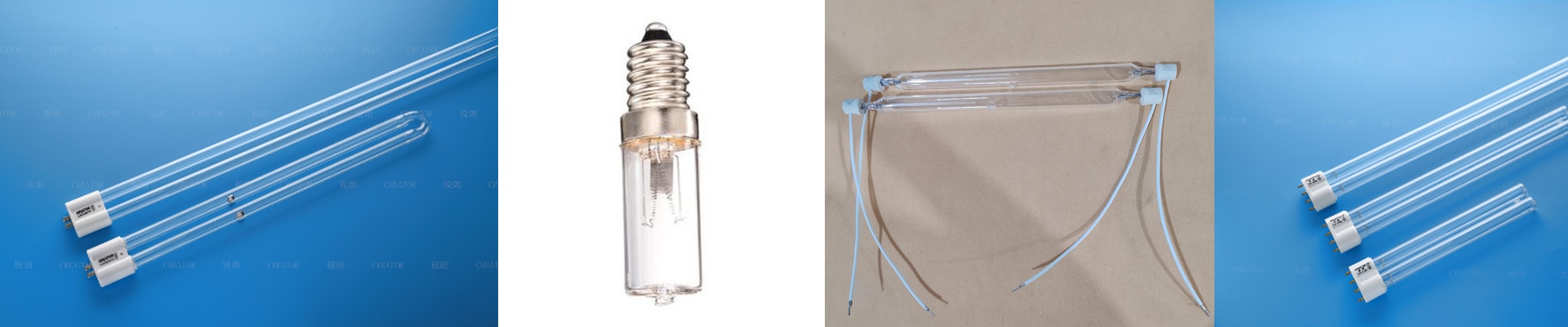
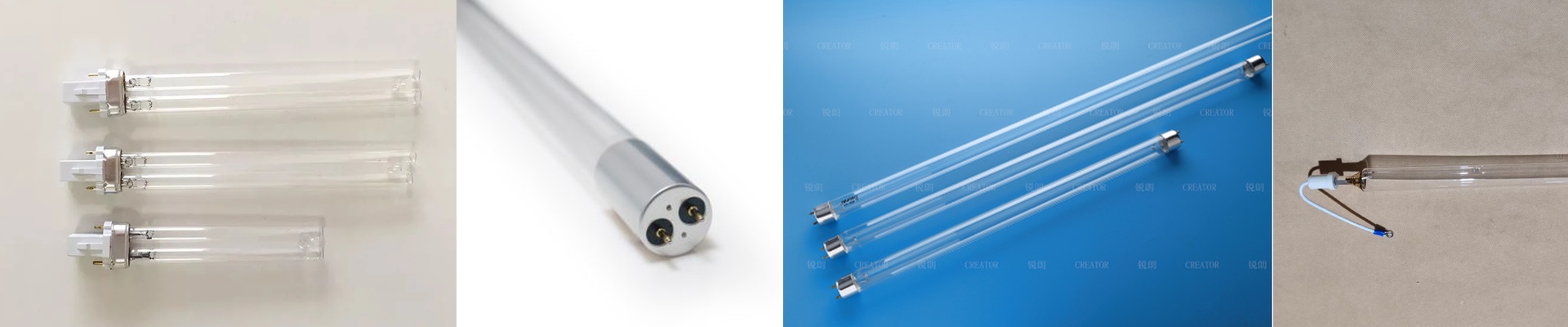
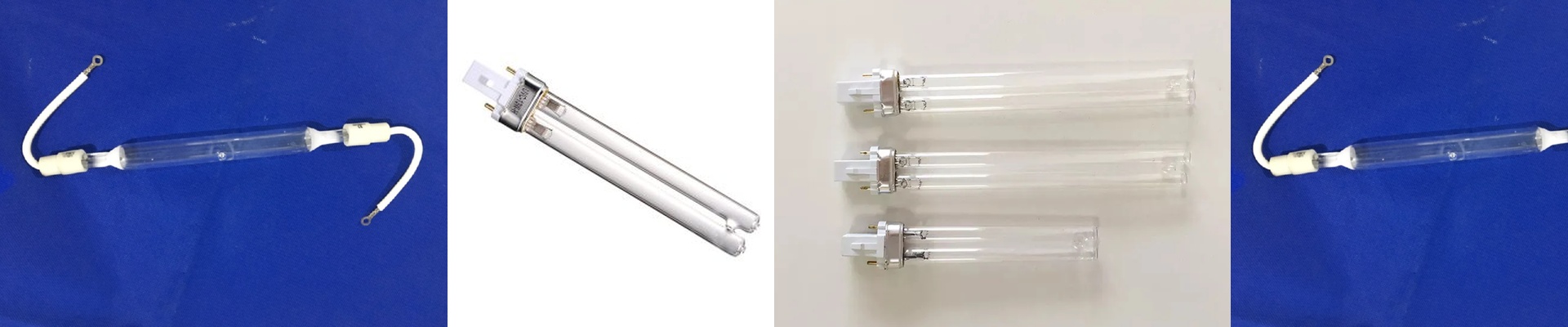
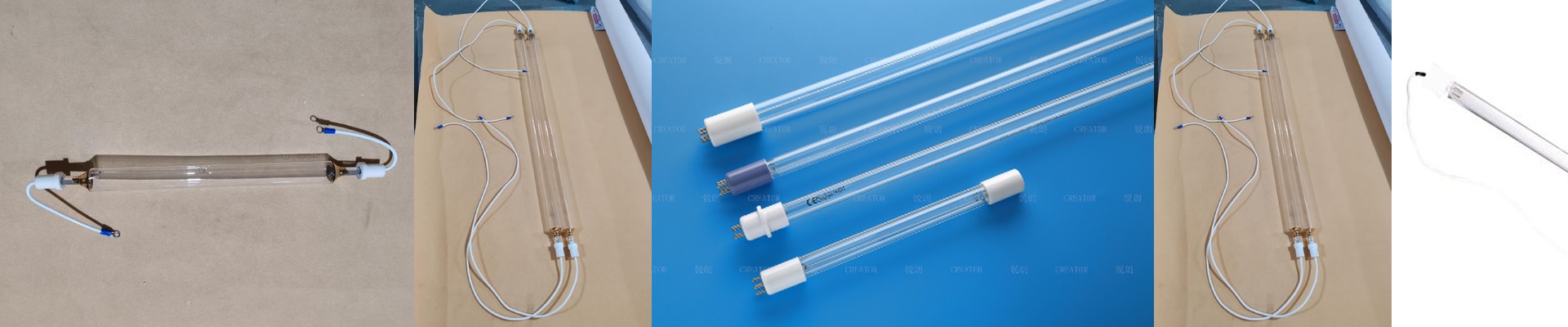
Forget about basic curing. In a real-world factory setup, “light energy” is just a fancy way of saying you need germicidal UV bulbs that actually work in an automated line—and stay working. When you’re buying these in bulk, you aren’t just filling a shelf with spares. You’re making sure your entire sterilization process doesn’t grind to a halt.
The Nitty-Gritty of UVC
Here is how it works: these bulbs hit a sweet spot at 253.7 nm. That specific wavelength is what breaks the DNA of germs. To cover a big industrial area, we rely on low-pressure mercury vapor. But there’s a catch. You have to time it perfectly with your conveyor belt. If the belt is flying, the dosage drops and you’re not actually cleaning anything. Too slow? You’re just burning electricity and killing your lamps for no reason. It’s a balancing act.
Heat, Power, and the “Silent” Killers
When you’ve got dozens of tubes running at once, things get warm. Now, they aren’t as hot as IR heaters, but in a closed chamber, that heat builds up. If the mercury vapor gets too hot, the bulbs start to fail. This is why your ventilation matters. If you don’t move the air, you’re just fast-tracking your bulbs toward a burnout. And please, don’t cheap out on the ballasts. High-quality gear prevents those annoying flickers and voltage spikes that fry your cathodes.
The Maintenance Trap
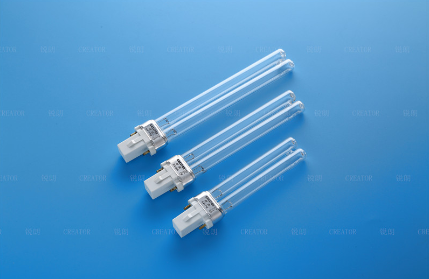
We use standardized pins so you can just pop a new bulb in and get the line moving again. Simple. But here is the tricky part:UVC bulbs lie to you. A lamp can look bright and blue, but it might not be emitting enough actual germicidal energy to do the job. You can’t trust your eyes here. Instead of waiting for something to break, keep a strict schedule based on the hour-meter. It feels like you’re spending more by replacing bulbs early, but it’s a lot cheaper than the nightmare of a contaminated batch of product.