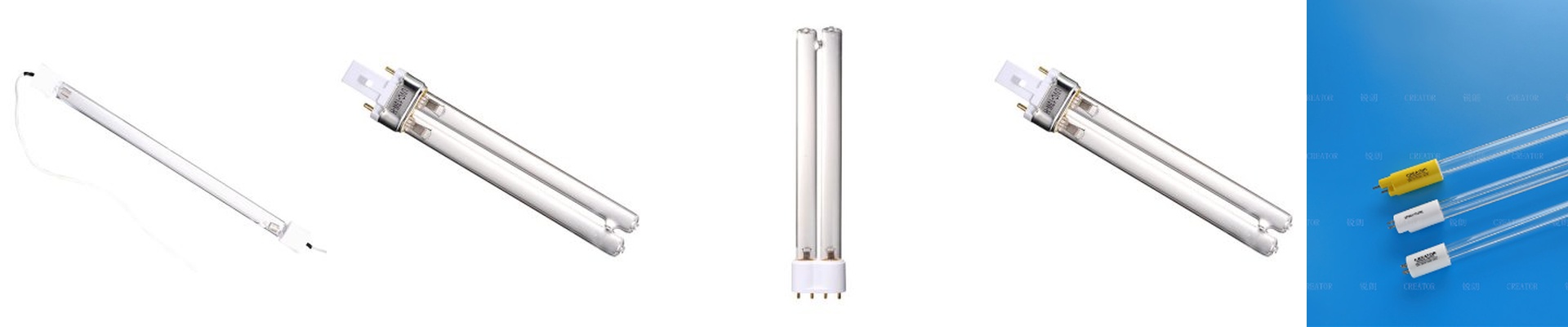
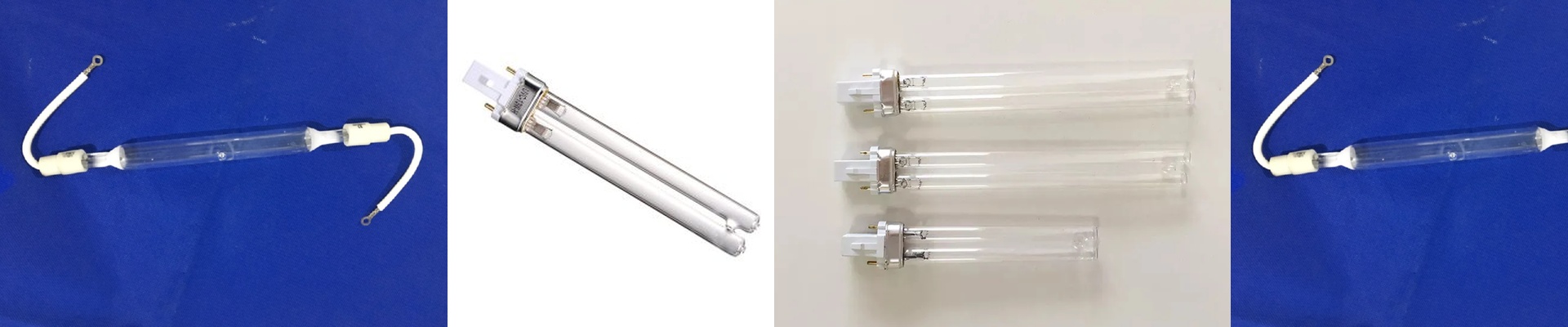
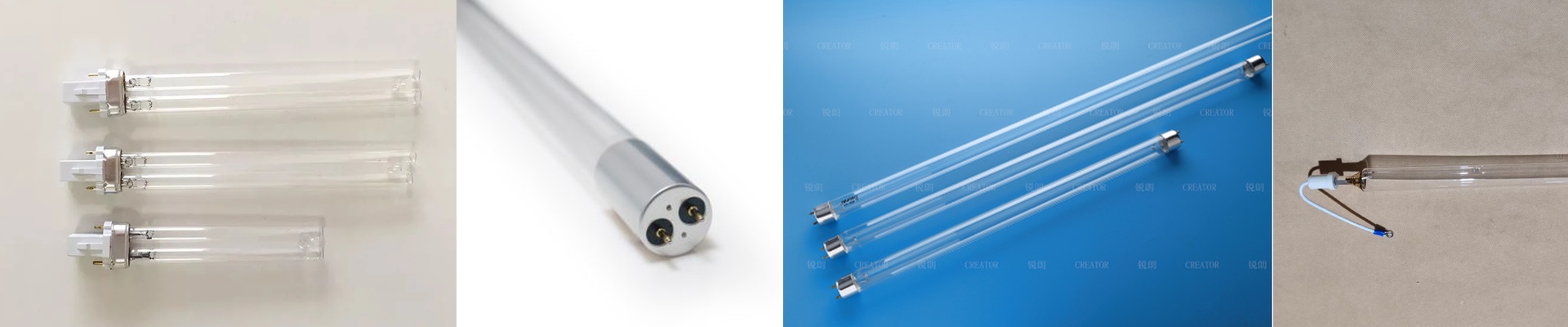
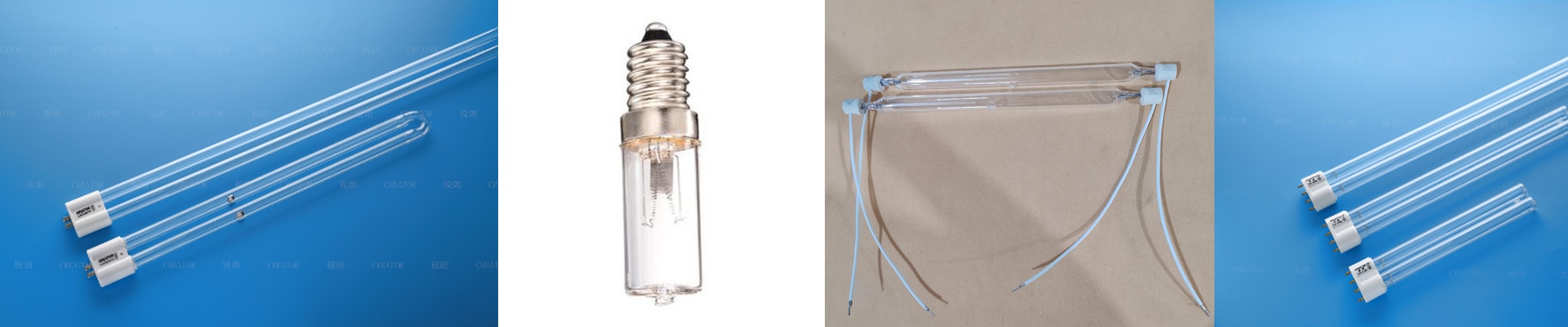
Introduction
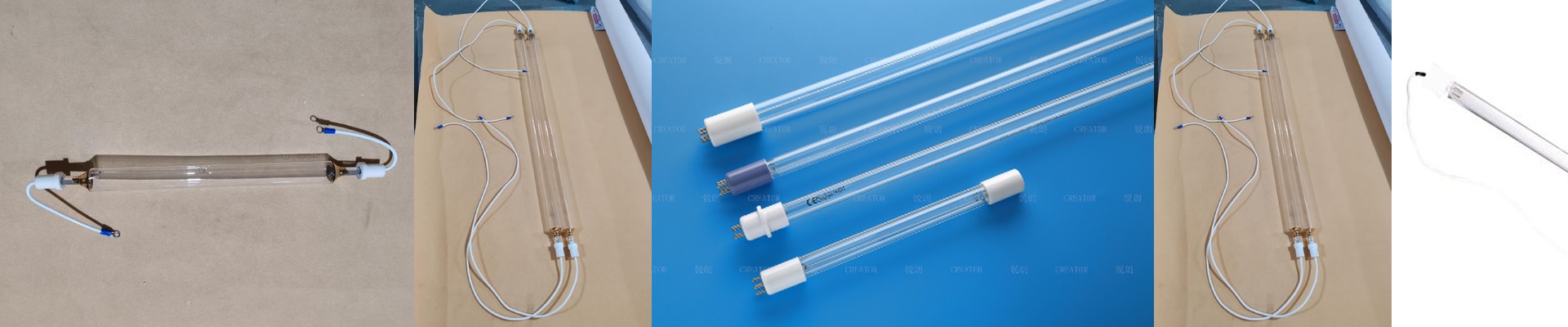
We built these UV medium pressure mercury vapor lamps for the real world—the shop floor, where things get hot, loud, and demanding. We’ve spent 15 years honing the physics and toughening the materials, so these lamps deliver the kind of performance industrial processes need, without getting finicky. If you’re an engineer, you want something you can count on: predictable output, steady heat, and a component that you spec into your system once and then forget about.
How They Work (Without the Headache)
Here’s the basic idea: we ionize mercury under high pressure to create a powerful, stable UV spectrum. These lamps pack a lot of power into a small footprint, so the voltage and wattage are tuned to deliver intense energy in a tight, controlled zone. That lets you focus heat exactly where you need it. They’re designed to fit standard mounts, so integration is straightforward. But—and this matters—packing that much energy into a compact tube means your equipment’s cooling has to be up to the task. Run it without proper cooling, and you’ll shorten the lamp’s life.
The Stuff Behind the Performance
At the heart of the lamp is high-purity quartz. It handles the shock of rapid start-ups and the chemical stress of high-temperature operation. We dose the internal fill precisely so the arc stays stable over the life of the lamp. The quartz envelope keeps UV transmission consistent and resists clouding over time, so output doesn’t fade. The connectors are tough, too. They handle high current without loosening or overheating, and the terminal interface is made for quick, secure wiring with solid contact. On the production line, that means you wire it up, the lamp seats cleanly, and it stays put—even when things vibrate.
Real-World Use and What It Feels Like
In industrial settings, these lamps shine wherever you need rapid, localized heating and curing. The concentrated spectrum transfers energy fast, which shortens cycle times and shrinks the heating zone. For engineers, that means a drop-in component that simplifies machine design and cuts maintenance. These lamps are built to be workhorses. They hold steady for thousands of hours, and the mechanical interface is ready to take a beating. The trade-off is real: you have to match the lamp’s output with your system’s cooling capacity. When you do, you get a heat source that’s reliable and repeatable—one that keeps your process moving, day after day.