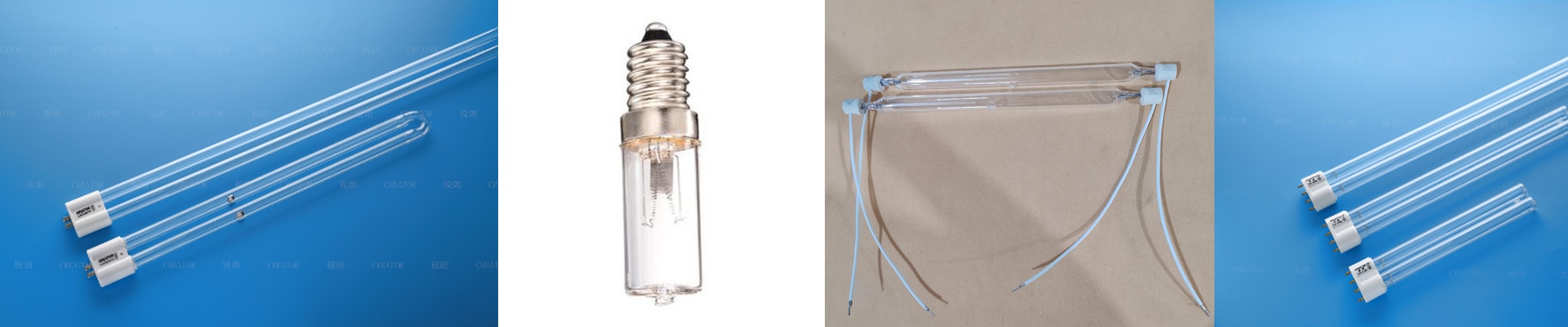
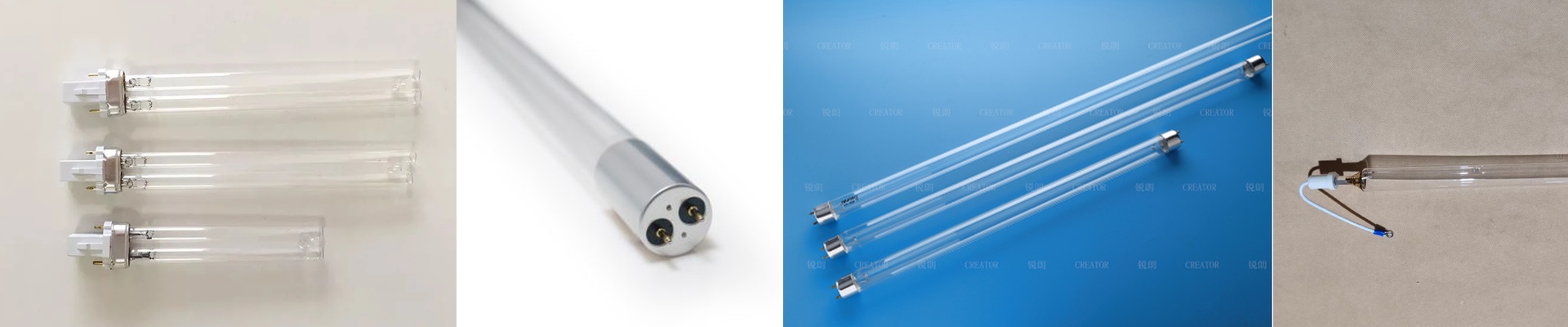
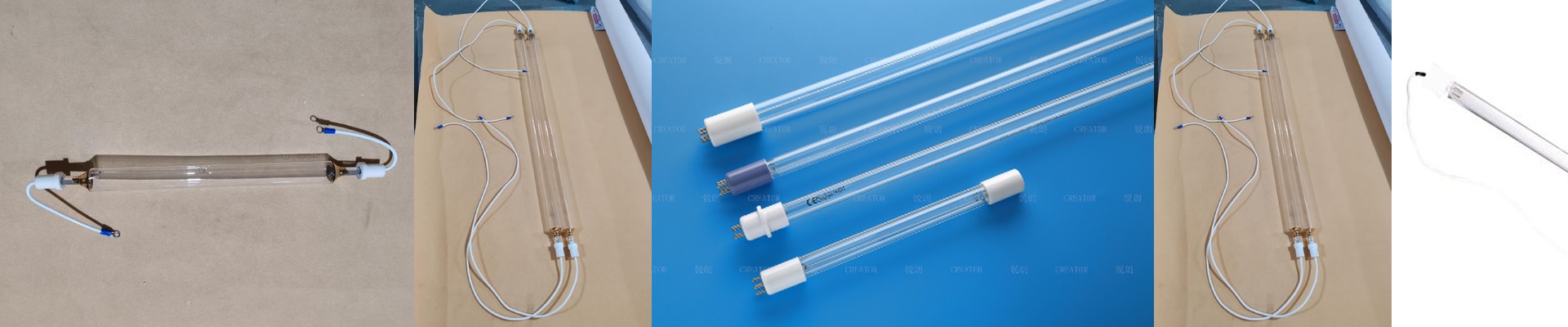
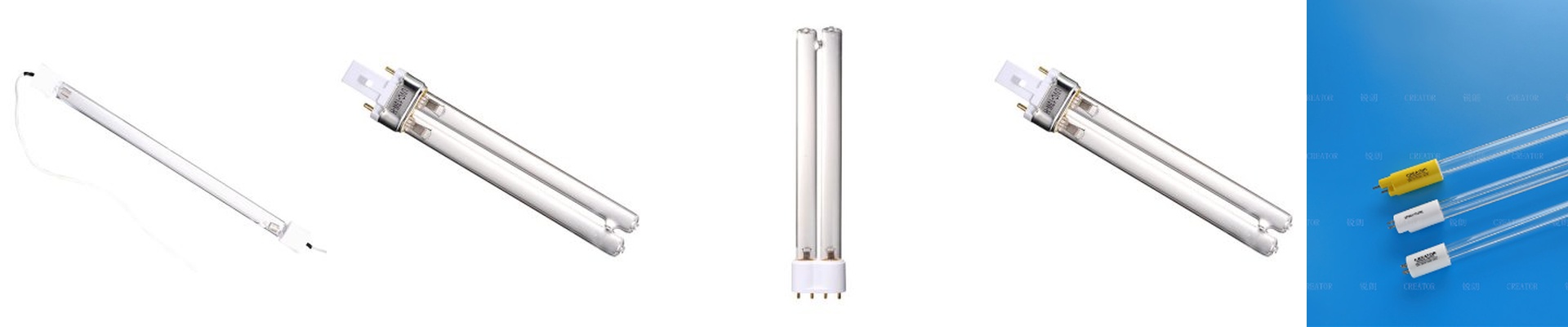
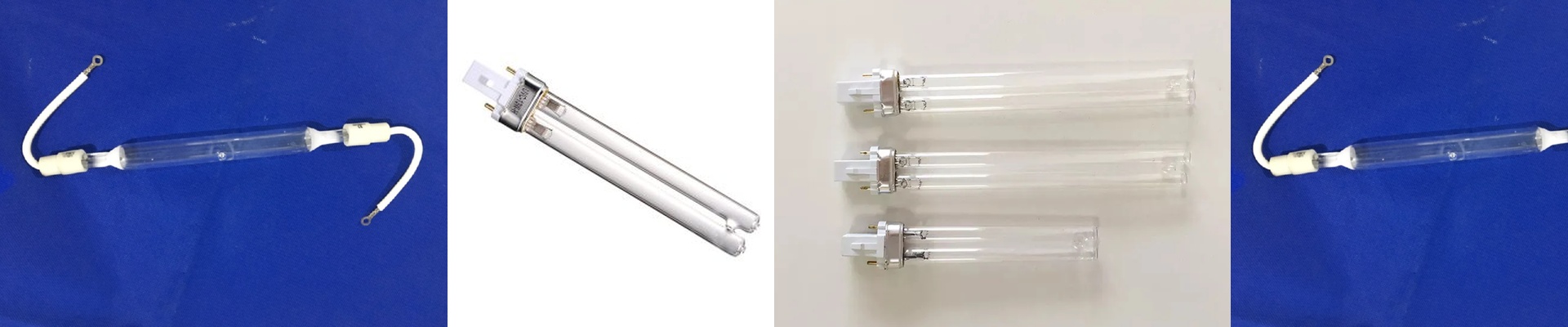
On a press floor packed with big machines, the electrical noise is relentless. EMI from drives, ballasts, and rectifiers can nudge the lamp current, and that shows up as jitter in spectral output. When UV energy is the trigger for photoinitiator cross-linking, even a few percent of ripple shifts the cure front. You end up with tack, pinholes, and gloss that swings run-to-run. We built the gallium iodide UV curing system to keep the lamp driver and arc steady, even when the press next door is in hard acceleration. The technical heart is the gallium iodide fill. It’s tuned to deliver a dominant peak near 405 nm, with strong output across 385–420 nm—right where modern flexo and screen ink photoinitiators live. That chemistry cuts sensitivity to oxygen inhibition and keeps the spectrum from swinging under load. At the substrate plane, we target peak irradiance of 12–16 W/cm² (application dependent) and deliver curing energy density from 500 to 1200 mJ/cm² at typical single-pass speeds. Arc stability stays within ±2% RMS through line transients. The envelope is ozone-free, and a dichroic-coated reflector keeps spectral control tight. Lamp life is rated 2000–3000 hours at full output, with output decay held under 5% over the first 1500 hours. Here is the thing: it holds up because it resists interference. Each lamp runs off an isolated, regulated driver with input filtering and soft-start, so a neighboring press can’t inject current ripple into the arc. That means repeatable cure across shifts, fewer stops for tack, and color density that stays put run-to-run. And because the spectrum is focused on the photoinitiator band instead of dumping energy as heat, energy use drops. A couple of practical notes. The system needs dedicated wiring and proper grounding to keep those filtering margins intact. It drops into standard UV stations, but reflector geometry and airflow have to match the lamp length and power density—mismatched cooling will cut life short. Also, verify your ink’s photoinitiator window. When the ink is tuned to 365 nm, we recommend our mercury vapor option for the best cross-linking efficiency.