Designing Custom UV Curing Lamps: Lessons From the Trenches of Modern Printing
After spending enough time on the floor—walking through over 3,000 printing plants—we stopped pretending one-size-fits-all UV lamps were the answer. Honestly? They never were. What actually works is building a custom UV curing setup that fits your line like a glove. That means matching the lamp to your line speed, the ink you’re running, and the space you actually have to work with.
Power, Voltage, and Size: Getting the Details Right
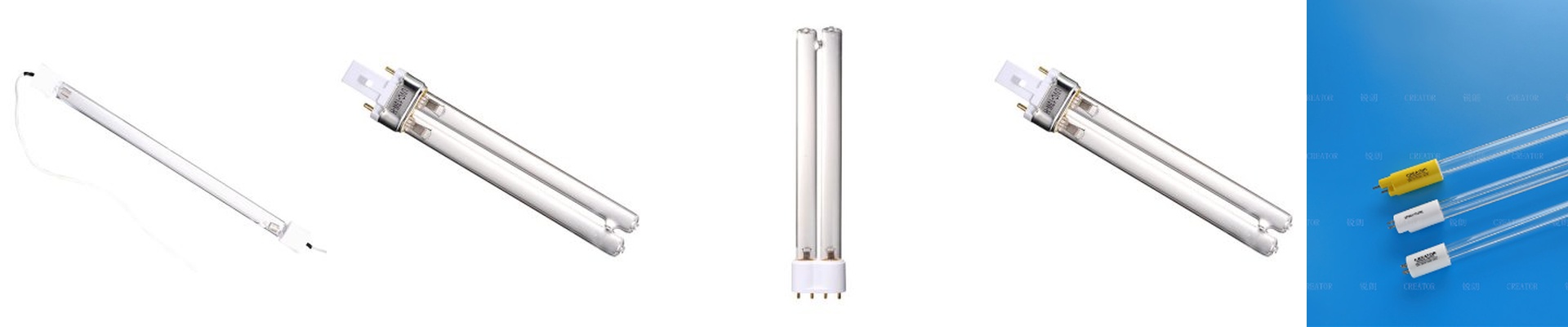
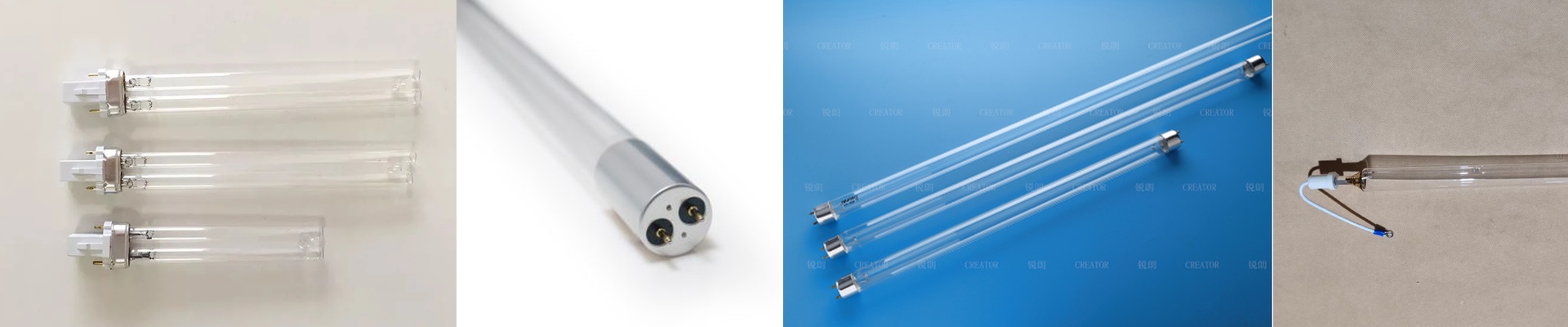
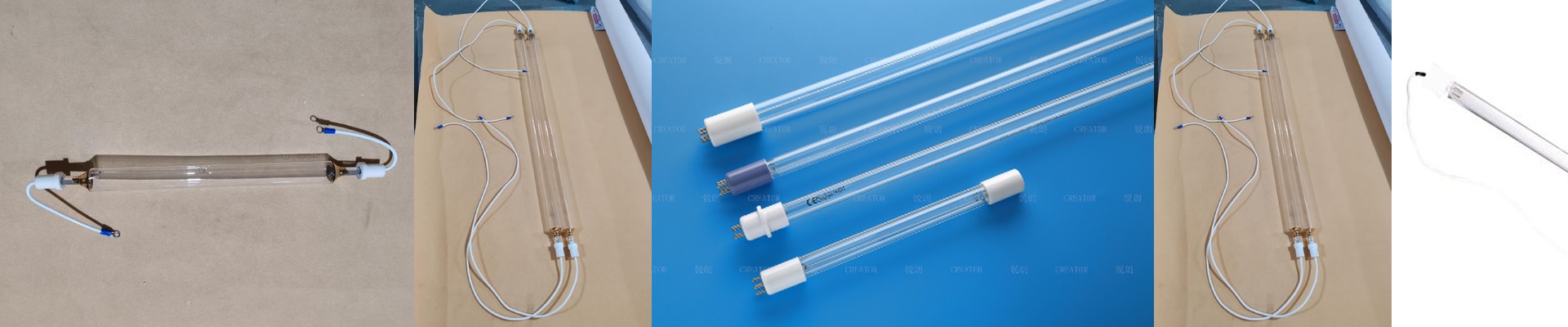
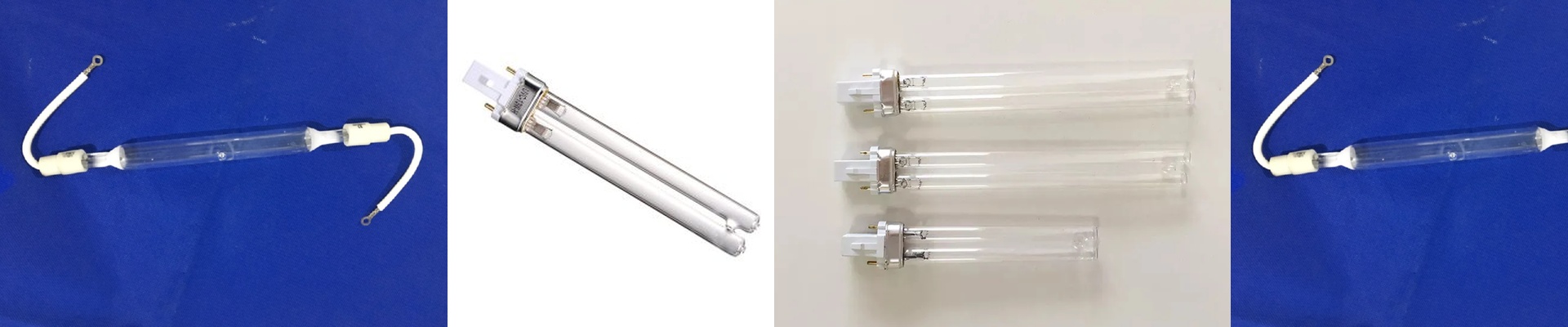
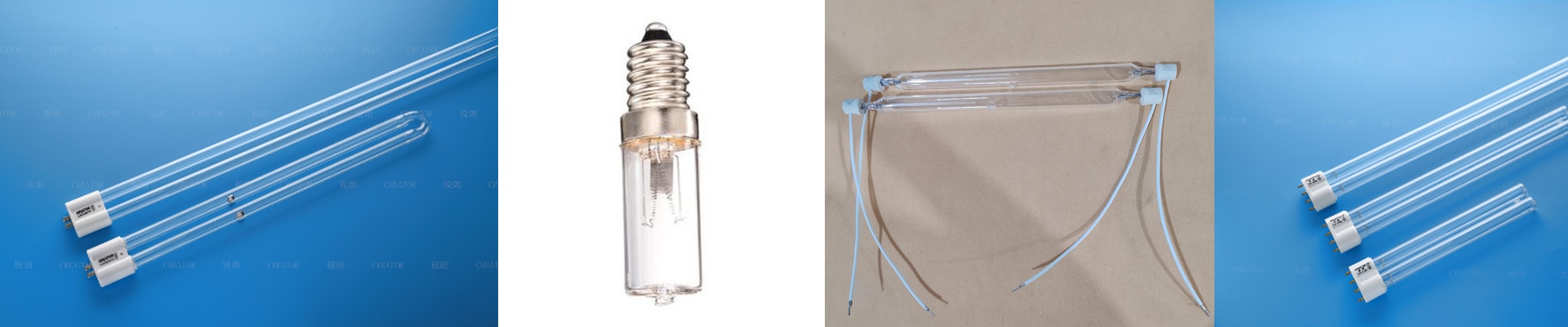
A UV curing lamp isn’t just a bulb. It’s a whole system, and it needs to play nice with your plant’s power. We spec the unit to run on the voltage you already have—whether that’s 220V, 380V, or 400V—so you don’t have to rewire half the building. Power is sized to the job, too. Higher wattage for thick coatings and fast lines. Lower, controlled output for thin films that can scorch if you’re not careful. Then there’s the size. Tube length and diameter are chosen to match your curing window. A 300mm active arc fits tight print heads. A longer arc covers wide-format passes. The point is simple: hit the right irradiance across the full width, with no hot spots.
Materials and Design: The Stuff That Matters
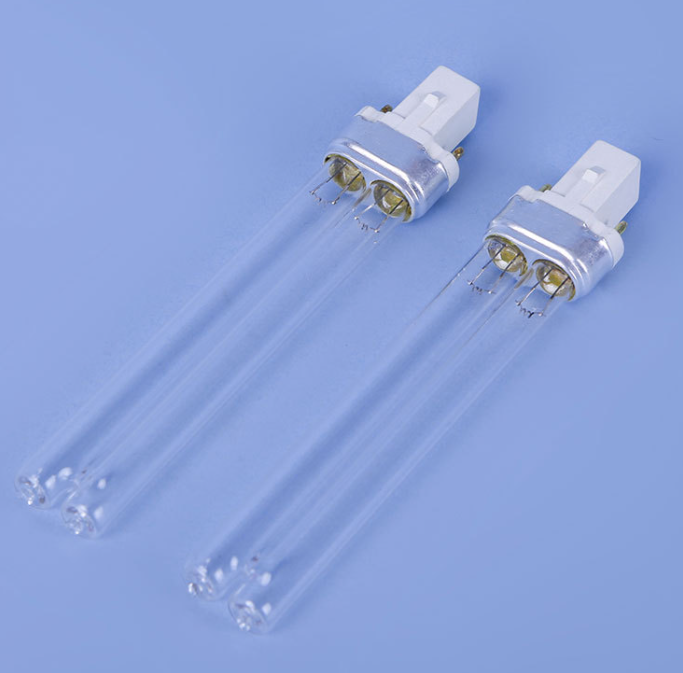
The UV output starts with a high-intensity arc inside a quartz envelope. Quartz handles the shock of rapid on/off cycles and stays stable even when you’re running at high power. Inside, reflector coatings do the work of directing energy forward. That means less wasted light, and better protection for the components from stray UV exposure. And the connectors? They’re about practicality, not looks. An R7s base makes swapping out the lamp quick—no tools needed on most fixtures. For industrial mounting and repeatable alignment, SK15 quick-connect interfaces cut down installation time. They also keep the lamp seated solid, even when the machinery is vibrating.
Built for the Real World of Printing
In a printing plant, curing has to keep up with the press. No lag. No guesswork. Our custom UV lamps deliver steady intensity, so inks cure the instant they need to—no set-off, no blocking. That means you can run faster, cut down on rejects, and keep the line moving the way you want it to. But here’s the catch: pushing higher power density means you need the right cooling. Airflow or water-cooling has to be sized to match. If the cooling is too small, the lamp runs hot, and the output starts to drift. So we size the whole thermal package—lamp, fixture, and cooling—to the duty cycle. The result? Reliable performance shift after shift, the way your plant needs.