Introduction
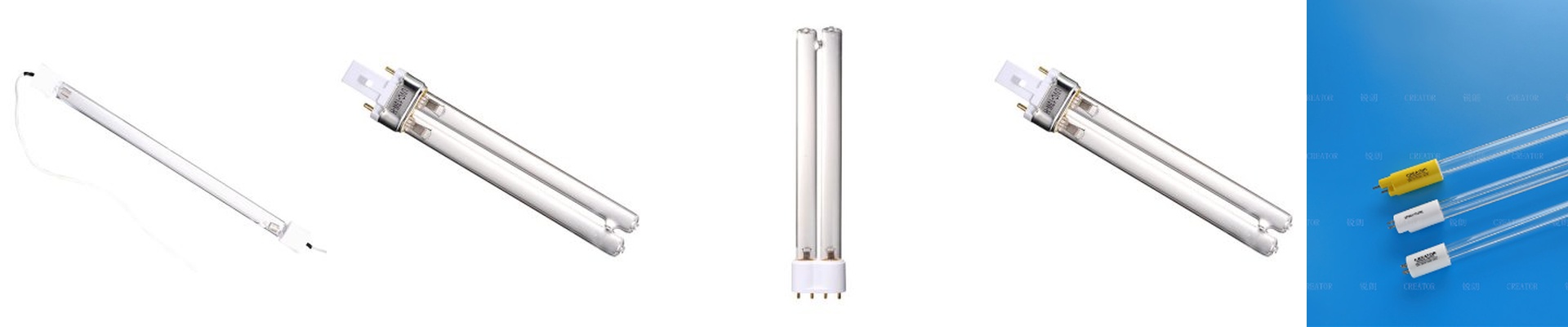
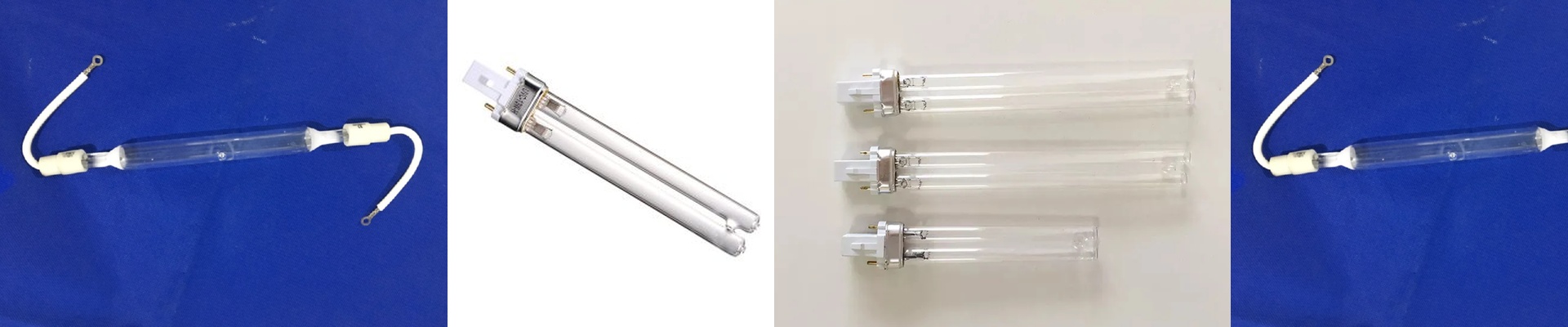
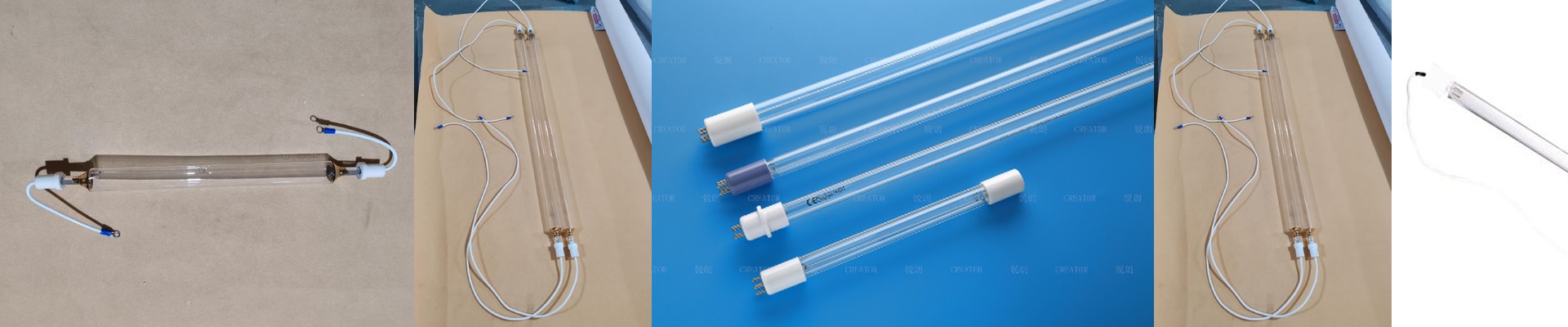
We built this halogen UV curing lamp for the real-world grind of PCB manufacturing—especially for glass bonding and getting solder mask inks to set with precision. On the floor, you can’t afford a light source that gets moody. You need consistent, high-intensity output that hits those tight curing windows—without cooking delicate parts. This lamp was made for that. Day after day. No drama.
The Power Behind the Light
It runs on a 400V input, which gives you the extra muscle needed for high-wattage density and fast UV output. That voltage headroom helps with clean ignition and keeps the arc stable, even when your line keeps starting and stopping. And the footprint? Just 300mm long. So it slips into tight spaces and existing curing setups without forcing you to redesign the whole machine.
What It’s Built From—and Why It Matters
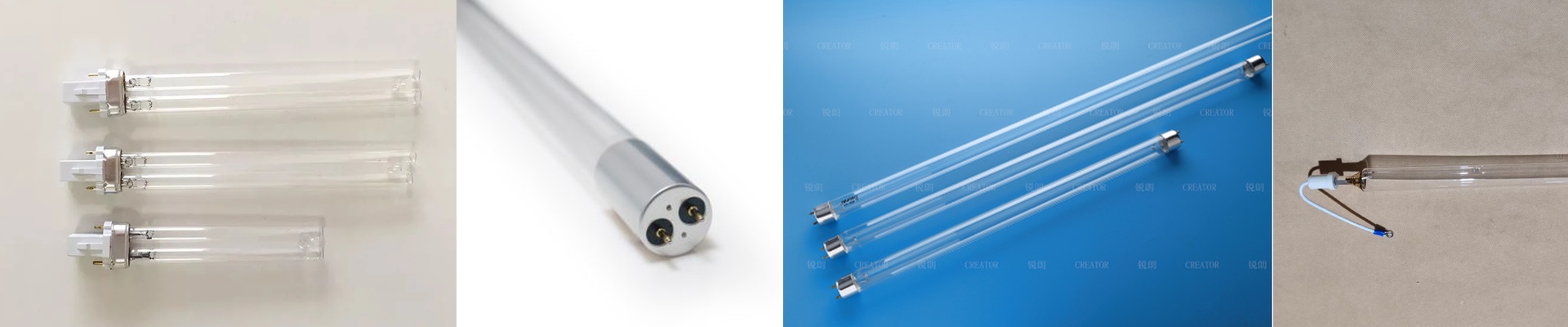
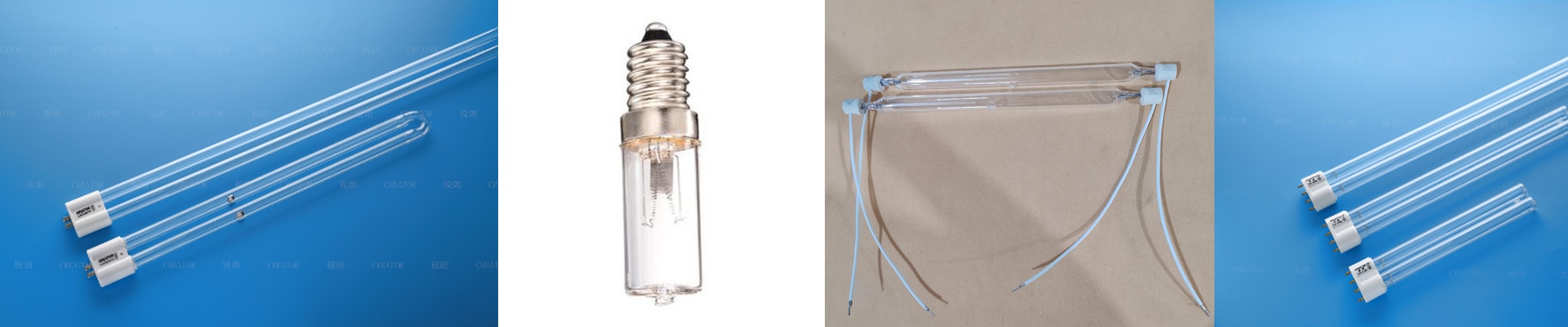
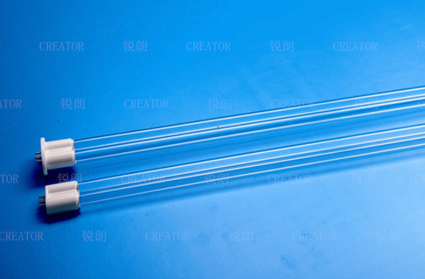
At the heart is a quartz envelope, chosen because it handles heat well and lets UV through cleanly. The halogen fill gas lets the filament run hotter, which gives you a focused blast of shortwave UV that cuts straight through ink layers. Then there’s the R7s connector. It’s standard, tough, and makes wiring straightforward. The mechanical lock means swapping lamps is quick—no wrestling with fragile pins.
Where It Shines—and the Reality Check
In PCB production, the headache is curing solder mask inks along micro-traces without thermal drift or adhesion issues. This lamp’s concentrated UV gets the job done fast, so you’re not slowed down by bottlenecks. But here’s the reality: that high power density means the lamp runs hot. So your machine’s cooling has to be up to the task. For engineers, it’s a plug-and-play component that delivers repeatable performance—as long as your thermal design can handle the heat and keep it from burning out early.