Stop Guessing Your Cure: Why We Went Modular
We built these UV curing lamps because we were tired of the “standard” fixed-length arrays. If you’ve ever run a high-speed line, you know the headache. You either get dead zones where the ink just won’t set, or you fry the edges of your substrate because the lamp is too long for the job. It’s a lose-lose.
The Idea: Build It Your Way
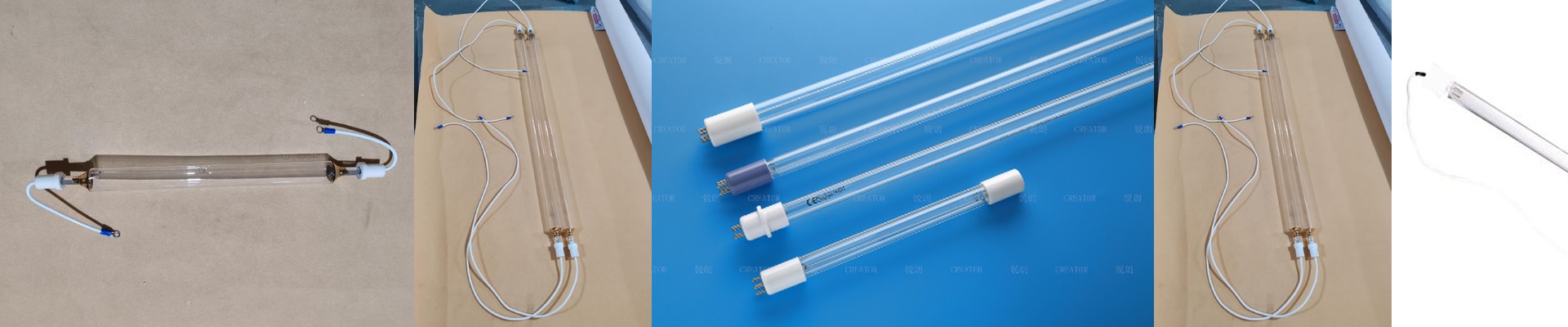
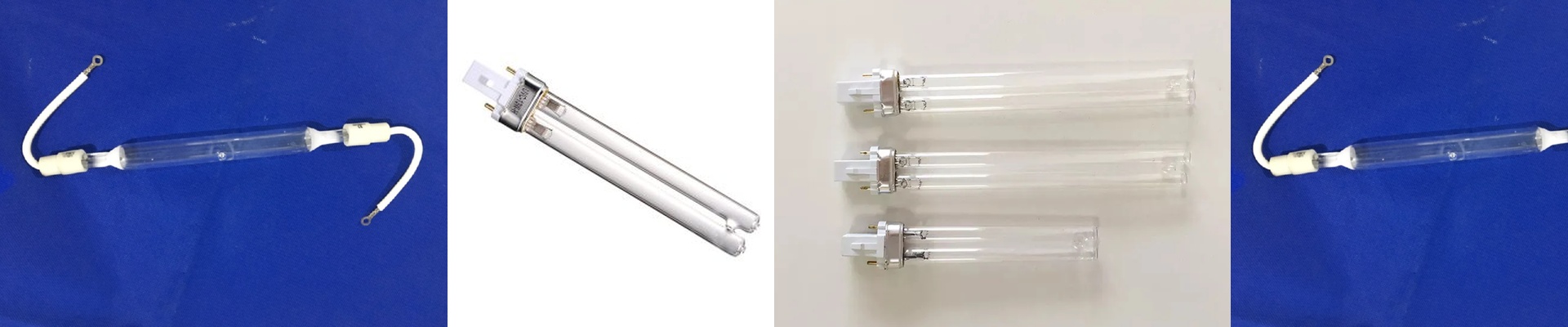
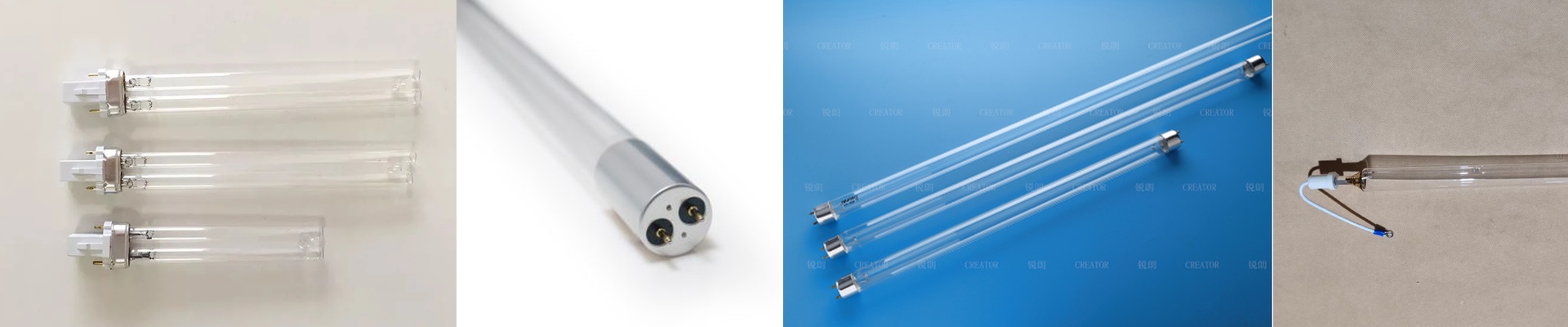
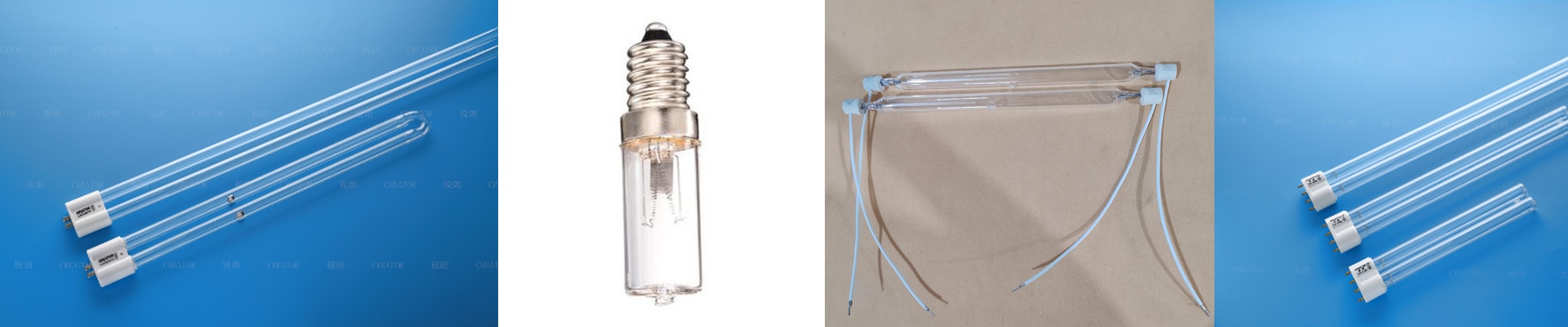
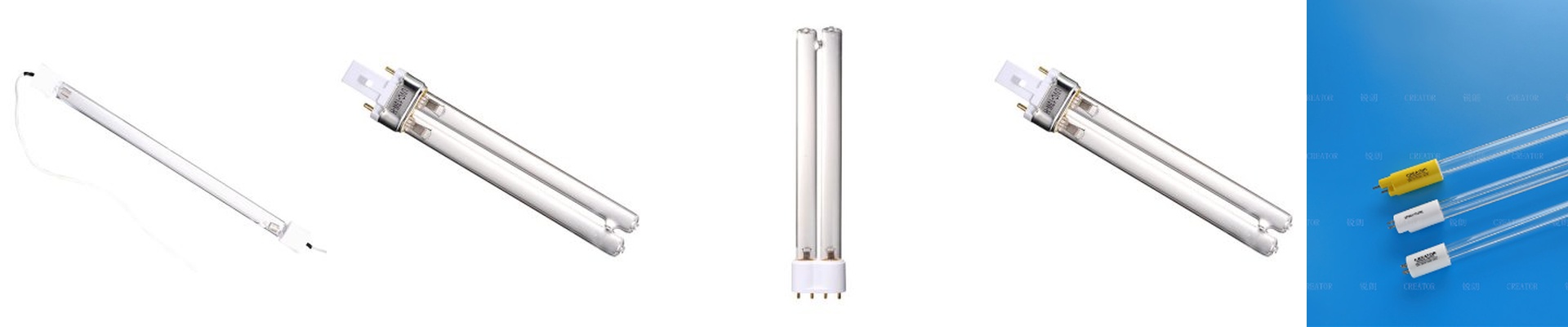
So, we changed the game. Instead of one giant, rigid lamp, we went with a modular setup. Now, you just chain together as many modules as you actually need for your specific web width. It lets you control exactly how much light hits the surface. We use high-intensity emitters in the 365nm to 395nm range, which basically means the ink polymerizes deeply and stays put. The best part? The power is concentrated. You can push your line speed way faster without worrying about that annoying tacky feel on the finished product.
Dealing With the Heat
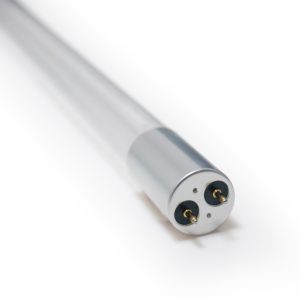
Let’s be real: high-wattage UV lamps get hot. Like, really hot. To keep the lamps from burning out, we packed the housing with aluminum heat sinks and forced-air cooling. But here’s a pro tip: make sure your shop’s exhaust can handle the total BTU output of all those modules combined. If you don’t, the heat builds up and you’ll start seeing thermal drift in your print heads. Not a fun place to be. And because we hate downtime, we used standard connectors. If a module decides to quit on you, you just pop it out and slide in a new one. You’re back up and running in minutes without having to rewire the whole rack.
Finding the Sweet Spot
There is a bit of a balancing act here. These systems love it when the lamp is close to the substrate—usually between 50mm and 100mm. If you pull the lamp back to protect a sensitive film from the heat, you’re going to lose some of that UV punch. It’s all about the trade-off between curing speed and how much heat your material can take. If you’re working with thin stuff, just use the dimming controls to dial the power back a bit. Simple.