CE Certification: It’s Not Just a Sticker
Most people see the CE mark as just another piece of paperwork—something you check off a list to keep the regulators happy. But in the UV lamp world, it’s a different story. For us at the factory, it’s the baseline. It means our lamps actually play by the rules for Low Voltage (LVD) and Electromagnetic Compatibility (EMC). In plain English? It’s the difference between a smooth operation and your machine tripping a breaker or failing a safety audit the moment an inspector walks in the door.
Why the technical stuff actually matters
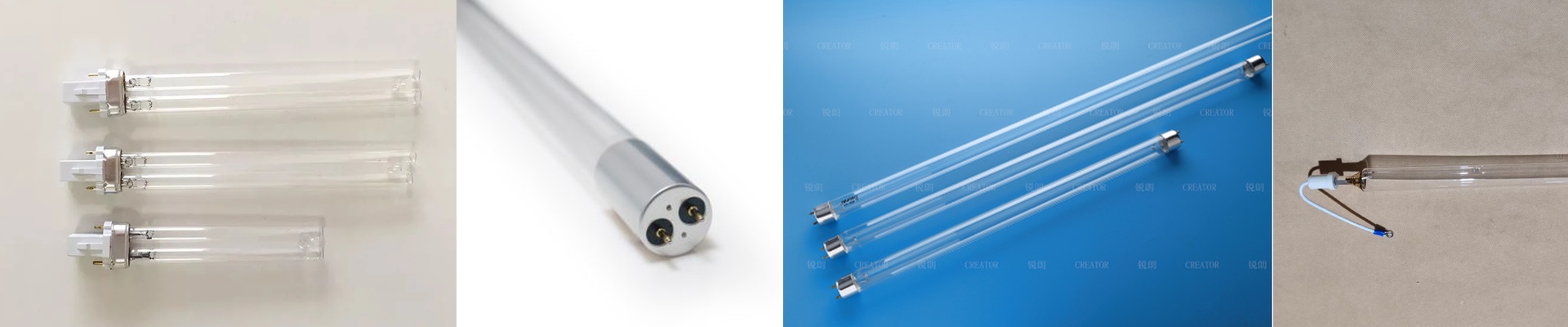
UV lamps are intense. They run on high voltage and get incredibly hot. If you use a lamp that hasn’t been properly vetted, you’re basically inviting a headache into your shop. We spend a lot of time obsessing over things like dielectric strength and insulation. Why? Because we don’t want your lamp shorting out when the industrial load hits its peak. We make sure the quartz envelope and the electrode seals are tough enough to take a beating without leaking ozone or sending electrical current where it doesn’t belong—like into the chassis.
Getting it into the machine
If you’re dropping a lamp into a high-end curing line in France or Germany, you can’t just wing it. The people building those machines need to know that one single component isn’t going to wreck the certification of the entire system. That’s why we provide the technical files. We prove our lamps won’t send out “noise” (electromagnetic interference) that could freak out your sensors or mess with your PLC. It makes the wiring process a breeze. You just plug it in, it fits the regulatory footprint, and you move on with your day.
A quick reality check
Now, let’s be honest. A CE mark doesn’t make a lamp immortal. These are high-output tools; they have a lifespan, and eventually, they’ll burn out. The certification just ensures that when the lamp does go, it fails safely. It won’t take the rest of your equipment down with it. But you still have to do your part. Keep an eye on your ballast settings and make sure your cooling airflow is on point. If you run a high-wattage tube without a decent fan, the heat will eat those electrodes alive—no matter what sticker is on the box.