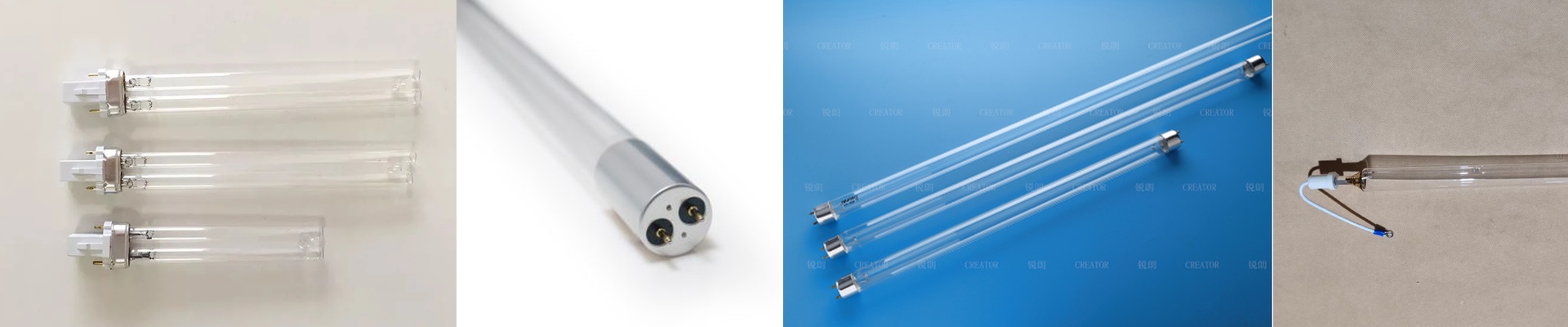
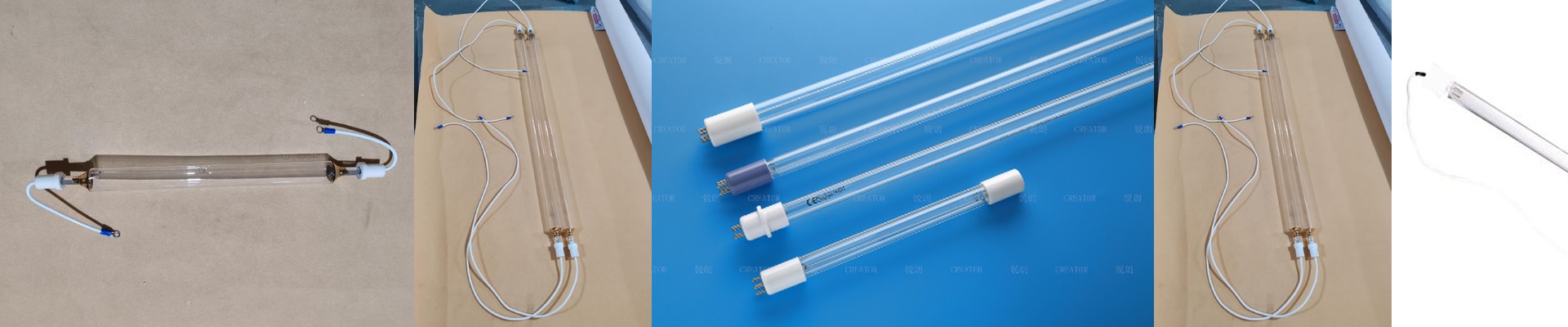
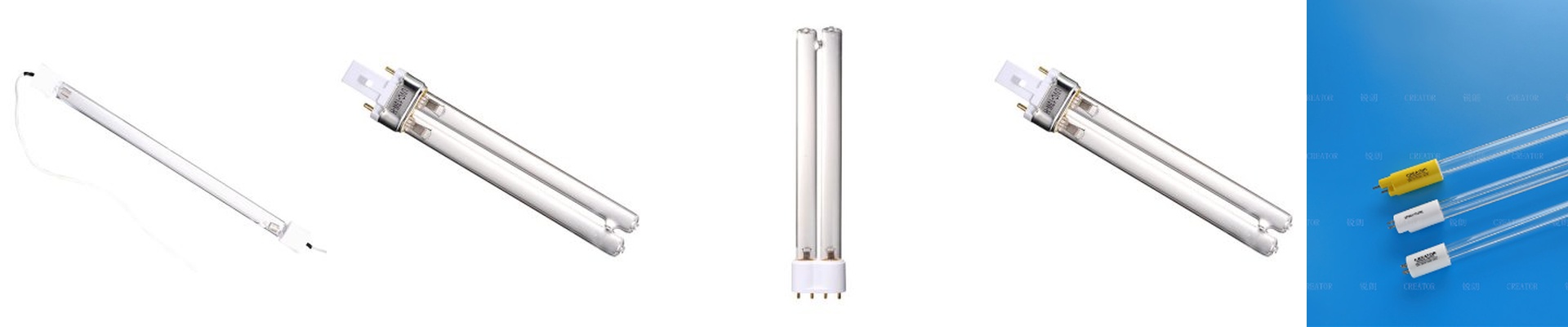
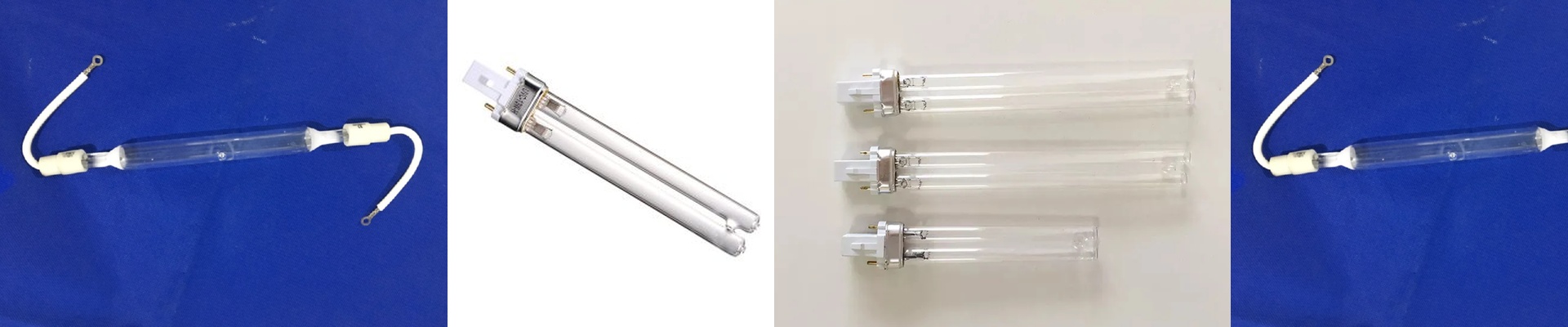
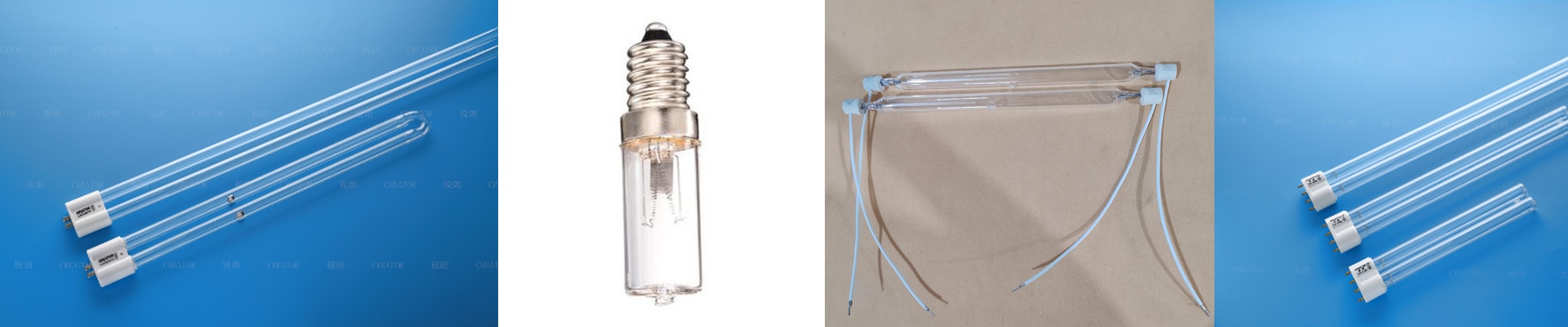
How we actually build UV curing tubes that last
We spent 15 years messing around with chemistry and glasswork. Why? Because we wanted our mercury UV tubes to stand toe-to-toe with the big international brands. Turns out, there’s no secret sauce or magic trick here. It really just comes down to two things: how pure the quartz is and how precisely we manage the mercury vapor pressure inside the tube.
Getting the UV output right
To get a consistent cure across a fast-moving conveyor, you need a stable arc. If the lamp flickers, you get under-cured spots, and that means wasted product. To stop that from happening, we use thoriated tungsten for the electrodes. It keeps them from burning out too early, so the light stays steady and your production line keeps moving.
The battle against heat
We use high-transmittance synthetic quartz. It’s a bit of a balancing act. The glass has to be thin enough to let the UV rays fly through, but tough enough to survive the chaos of a factory floor. Plus, it needs to handle the shock of being turned on and off rapidly without just cracking. But here’s the thing: you have to keep these things cool. High-wattage tubes pump out a ton of infrared heat. If your reflectors are caked in dust or your blowers aren’t doing their job, the tube overheats. When that happens, the glass “solarizes”—it turns a cloudy brown, and your UV power just tanks.
Making your life easier
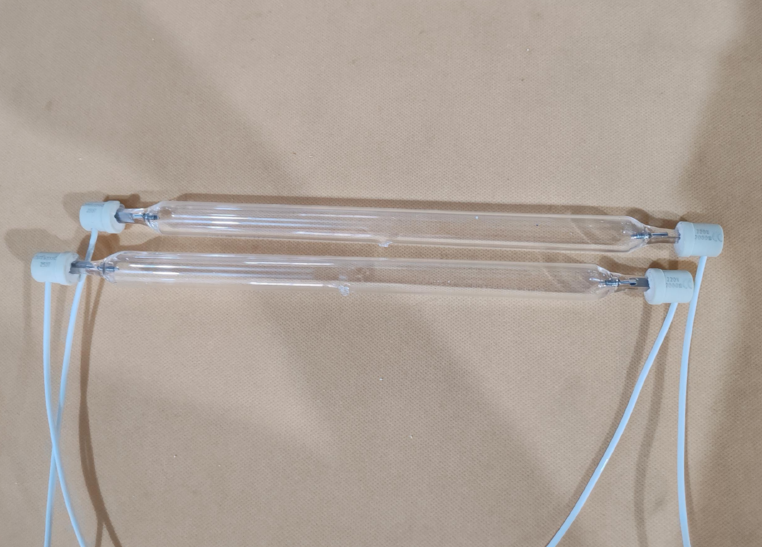
We designed these to be simple drop-in replacements. We obsessed over the end-cap dimensions because nobody wants to spend an hour fighting with a lamp just to get it to fit into the system. The real win, though, is the downtime. Instead of swapping lamps every few hundred hours, our mercury blends keep the intensity high for much longer. Just a quick tip: make sure your ballast matches the lamp’s voltage and current. If they’re mismatched, you’re just stressing the arc for no reason.