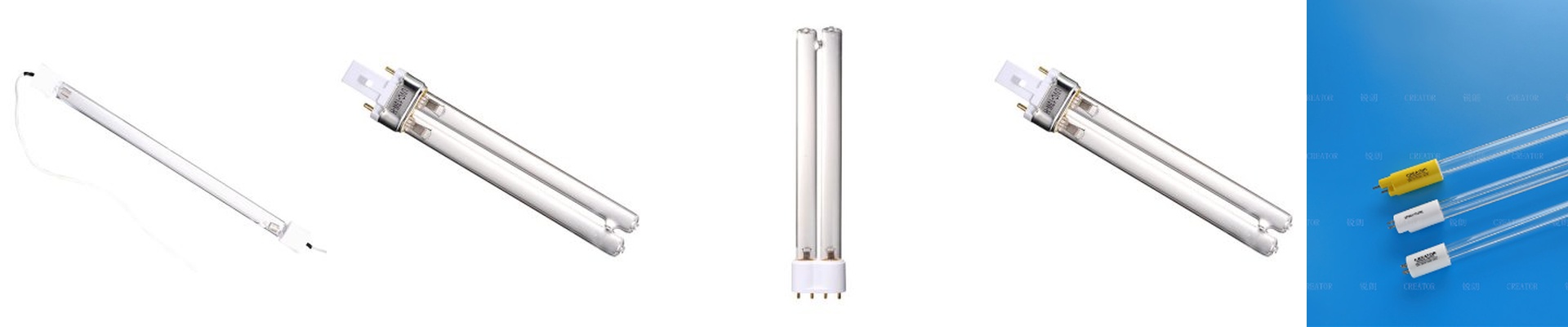
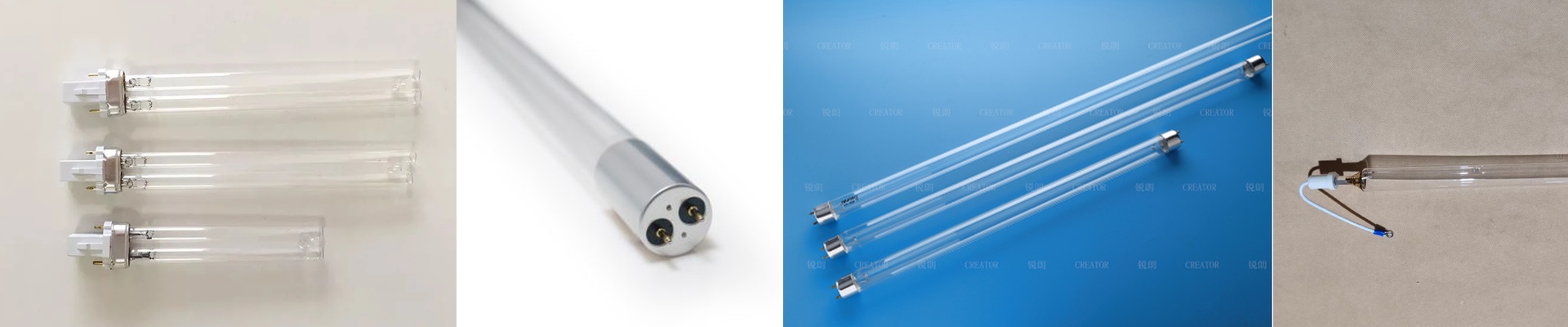
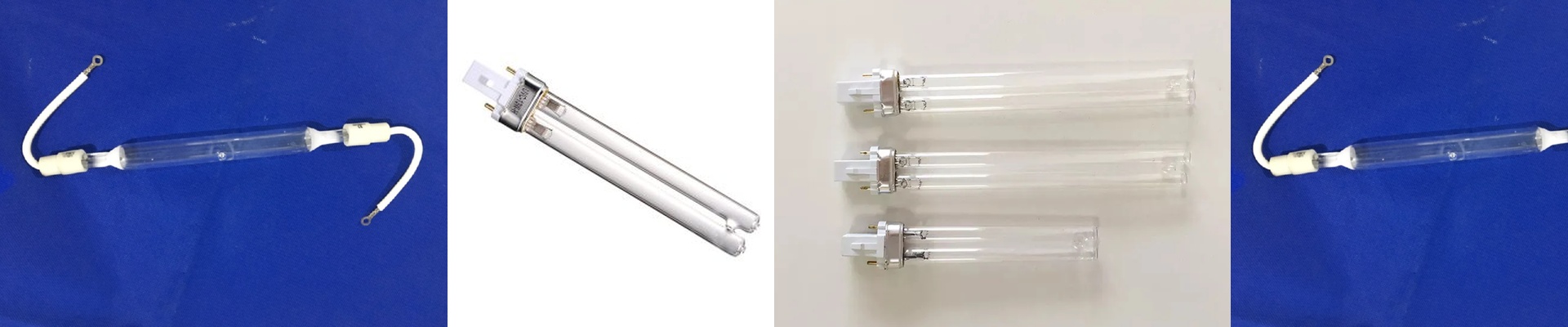
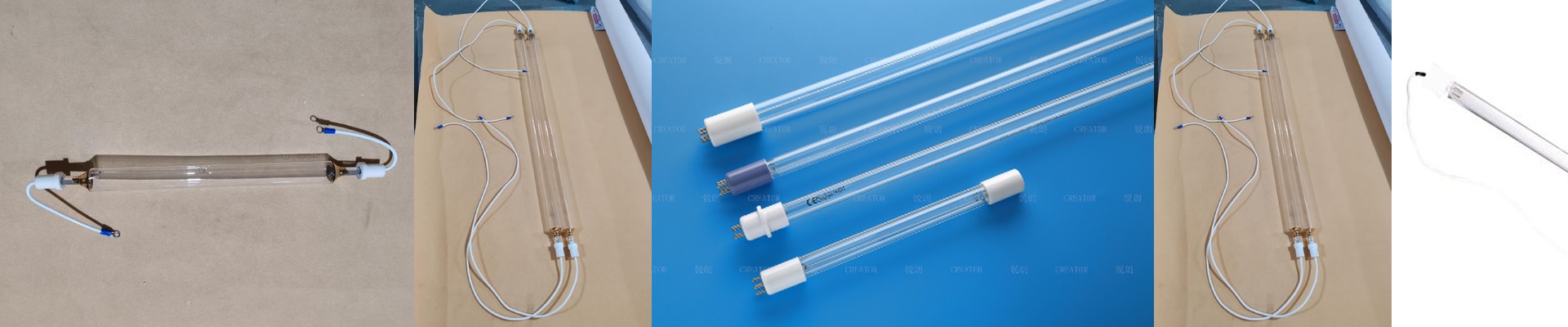
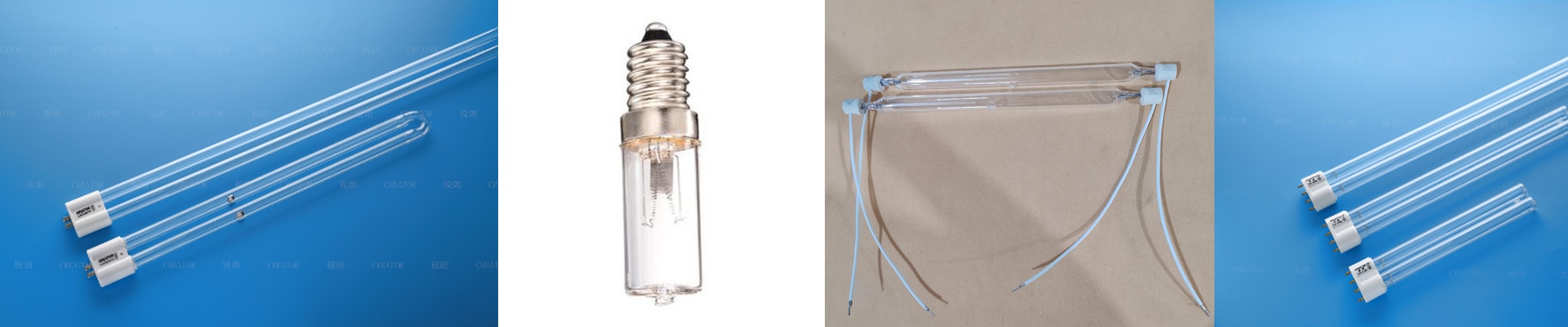
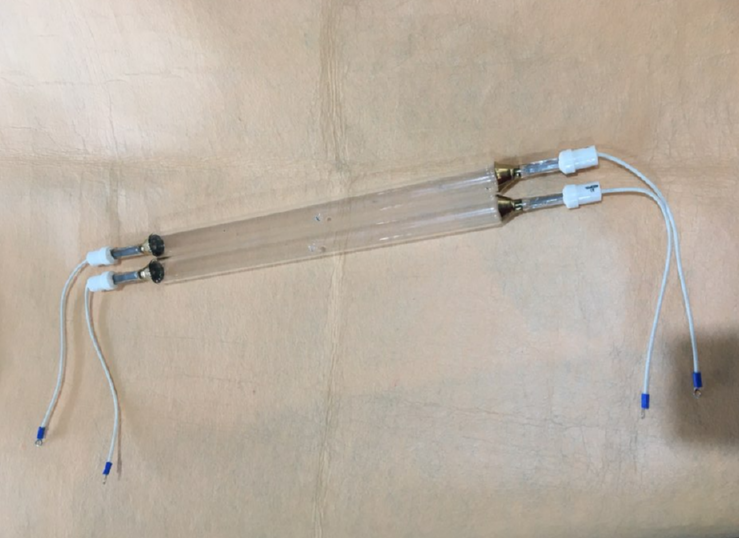
15 Years of Figuring Out the Perfect UV Lamp
We didn’t start out as experts. For a long time, we just put our name on other people’s designs. But over the last 15 years, we got tired of “good enough.” We wanted to build something that actually hit the mark, so we stopped white-labeling and started obsessing over the engineering. See, if you’re running an industrial line, a UV tube isn’t just a light bulb. It’s a tool. And if the quartz purity is even a tiny bit off? Your transmission rates tank and your cure times start dragging. It’s frustrating, and it costs you money.
The nitty-gritty of quartz and output
We use high-purity fused quartz for a simple reason: we don’t want the tube wall soaking up the energy it’s supposed to be pushing out. When we’re building a high-wattage lamp, it’s all about the balance. We tweak the electrode composition and the gas fill so the lamp doesn’t just burn out the moment things get intense. One quick tip: keep an eye on your voltage. If your power supply is jumpy, you’ll see that flicker, and your lamp’s lifespan will dive. We’ve tuned our filaments to take a bit of a beating, but honestly? Just use a dedicated ballast. It’ll save you a headache.
The trade-offs (and how to avoid them)
We kept the footprints standard. That way, you can just swap these into most international setups without having to rebuild your entire rig. But here’s where most people mess up: the seal. If the connection between the quartz and the end caps isn’t perfect, gas leaks out. And when that happens, the lamp is dead. Period. Also, these things gethot. Like, really hot. The quartz can handle it, but your housing might not. If your fans are dusty or your heat sinks are too small, the tube will overheat and the quartz can actually warp. Make sure your cooling is up to the task.
Keeping the line moving
These tubes are built for the grind—24/7 curing lines that never stop. We test every single tube to make sure the light is consistent from one end to the other. There’s nothing worse than “cold spots” on a conveyor, where the resin or ink just won’t dry in one specific patch. It’s a nightmare to fix once the product is finished. We ship these in wholesale volumes because we know that in a factory, downtime is the enemy. We just want to make sure your line keeps humming.