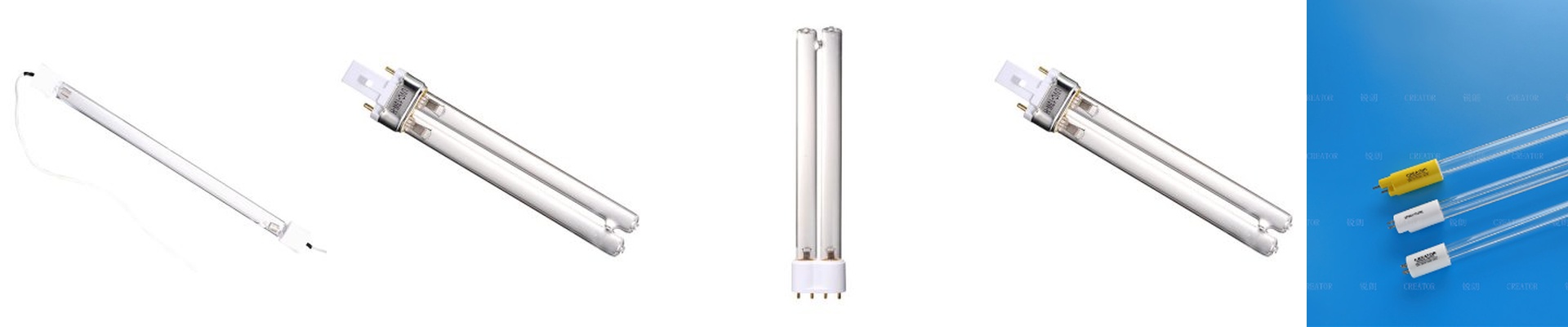
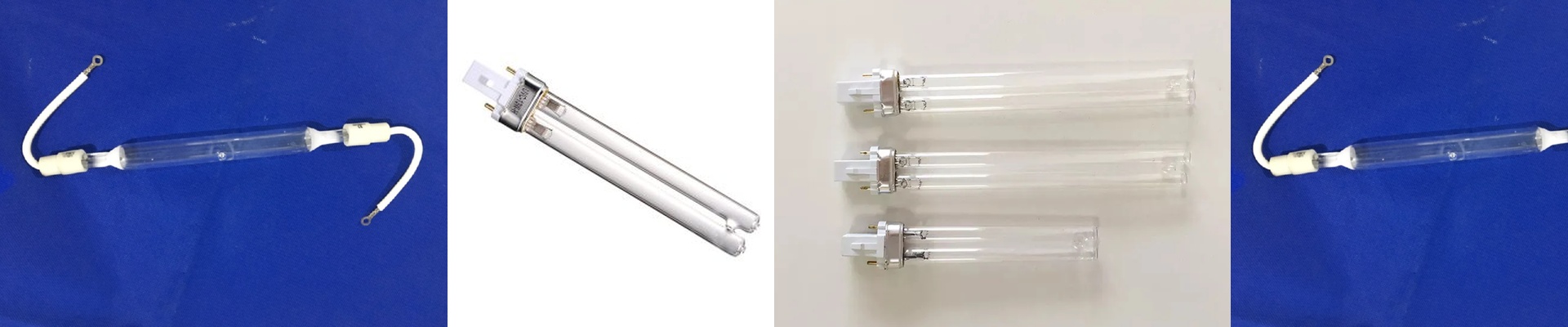
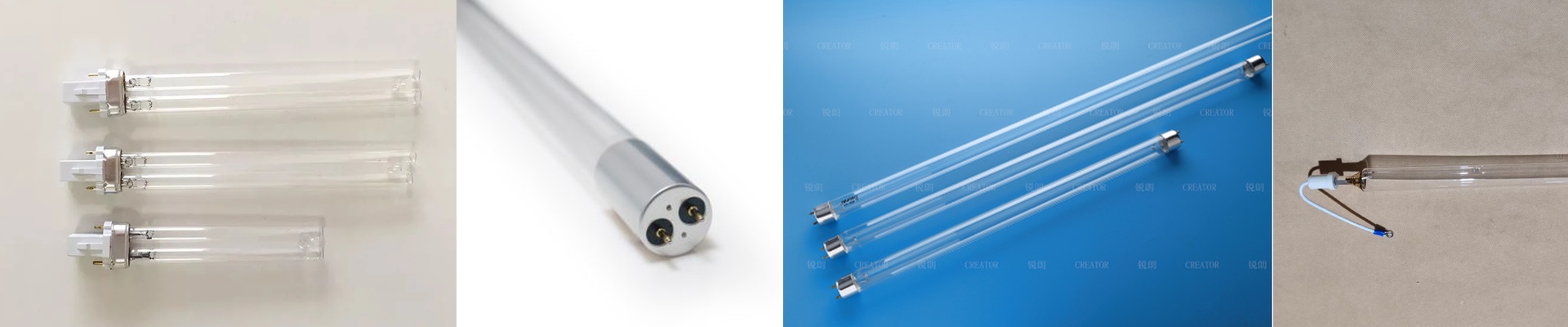
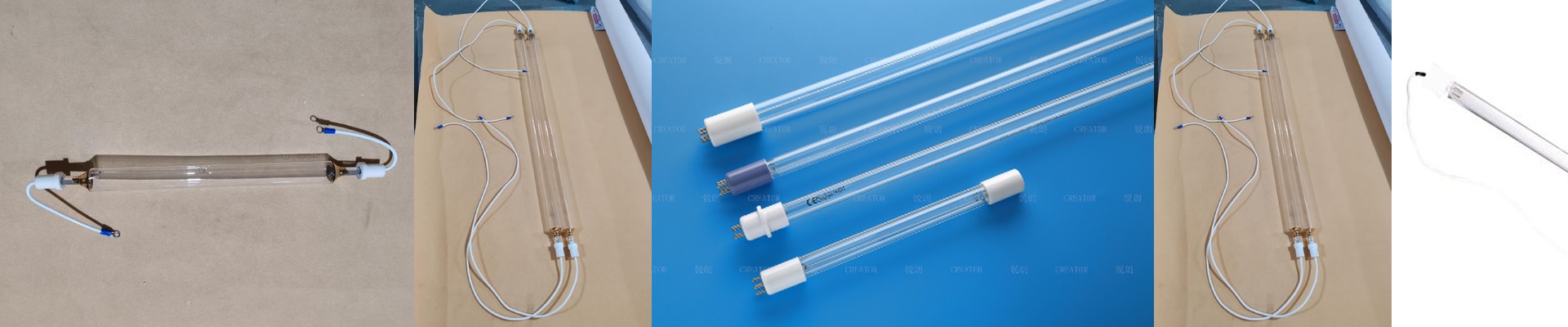
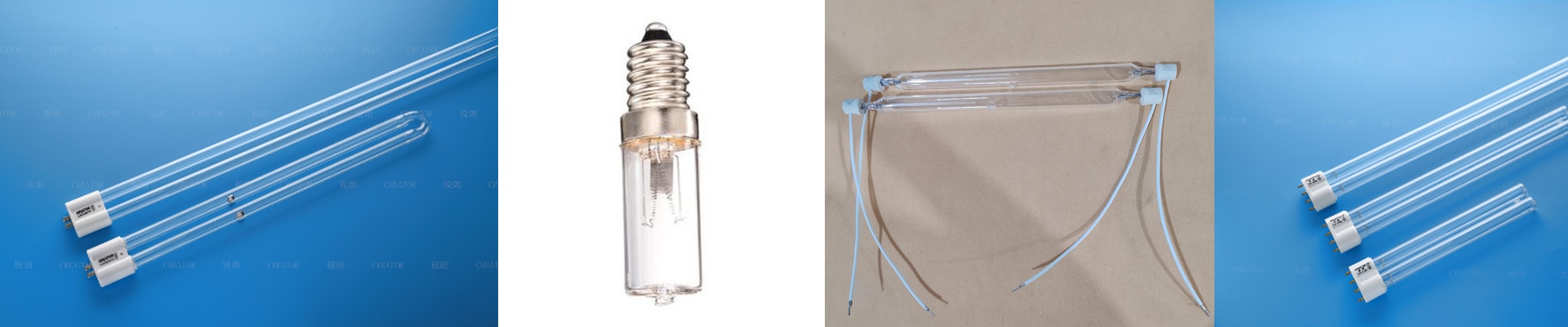
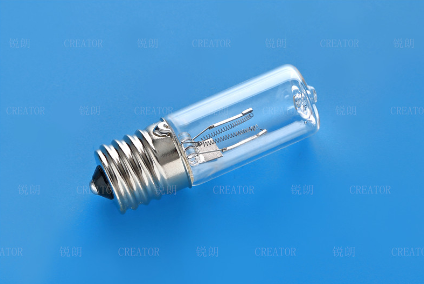
Let’s Talk About the 120W/cm Mercury UV Lamp
When we design our standard mercury UV lamps, we aim for a linear power density of 120 Watts per centimeter. Now, that’s not just a number we pulled out of a hat. It’s the sweet spot. It gives you enough punch to cure industrial coatings and inks instantly, but not so much that you start warping your materials.
The grit behind the 120W/cm
Here is the deal: that 120W/cm ensures a massive flood of photons. We use a pressurized mercury vapor arc to hit those critical 254nm and 365nm lines. If you’re planning your curing line, this is the number that actually dictates your speed. More wattage equals more product moving through the door. Simple as that. But there’s a catch. Heat. That kind of power puts a lot of stress on the quartz envelope. If your cooling fans decide to quit or your air gap is too tight, the quartz is going to stress out and crack. It’s a balancing act.
Keeping the arc steady
We use high-purity fused quartz for the tubes. It’s tough enough to handle the internal pressure of the mercury vapor while letting the short-wave UV slide right through. We also keep the tube diameter tolerances incredibly tight. Why? Because if the arc starts to wander, you get “cold spots.” And nobody wants to find a patch of uncured, sticky ink on a finished product halfway through a shipment.
Making it work in your shop
These lamps are pretty easy to swap into most standard UV systems. Just hook them up to a stabilized ballast so you don’t have to deal with flickering or lamps burning out way too early. One thing to keep in mind: these aren’t LEDs. They don’t just snap on. You’ve got to give them a bit of time to warm up before they hit full strength. Factor that ramp-up into your daily schedule so you aren’t staring at the machine waiting for it to get going. And please, double-check your exhaust. These things get hot and they create ozone. You’ll want a system that pulls that heat and gas away from your team so everyone stays comfortable.