Getting Your Curing Right: The Truth About Industrial Mercury UV Bulbs
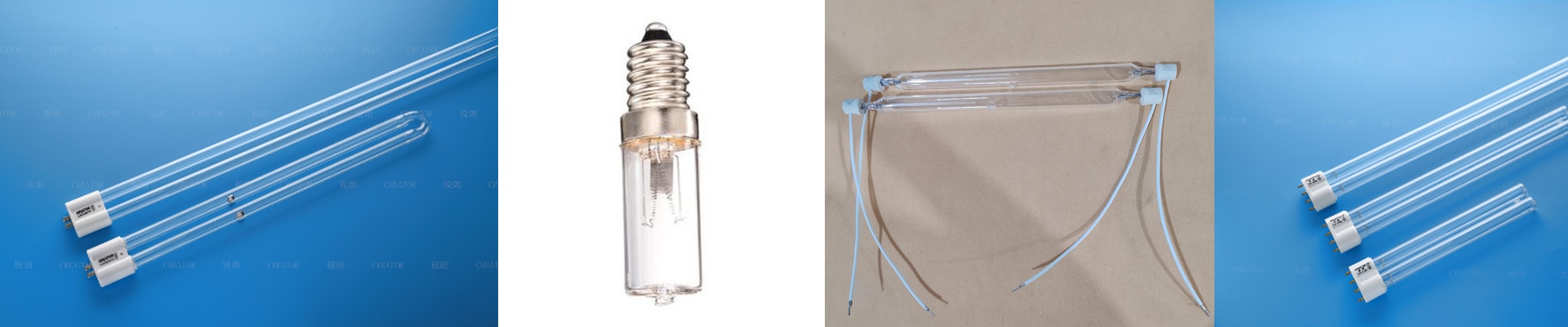
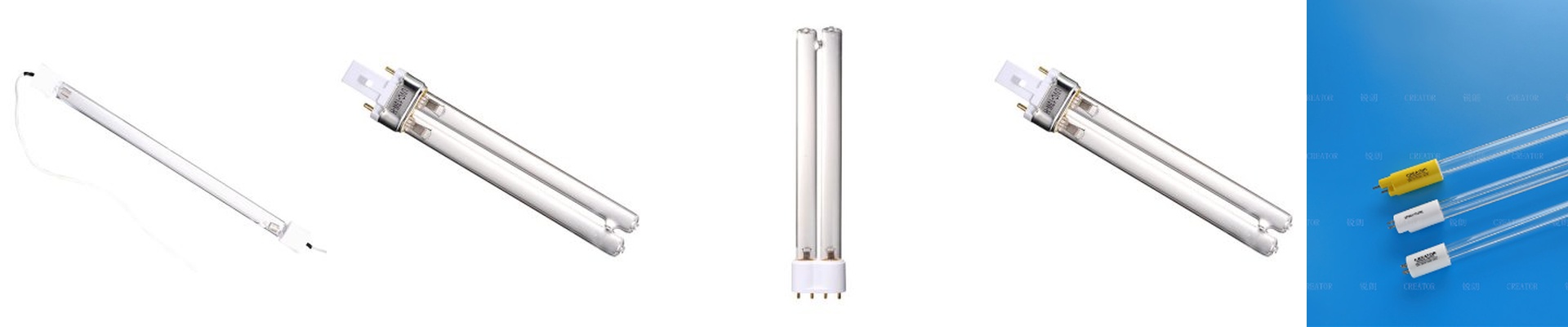
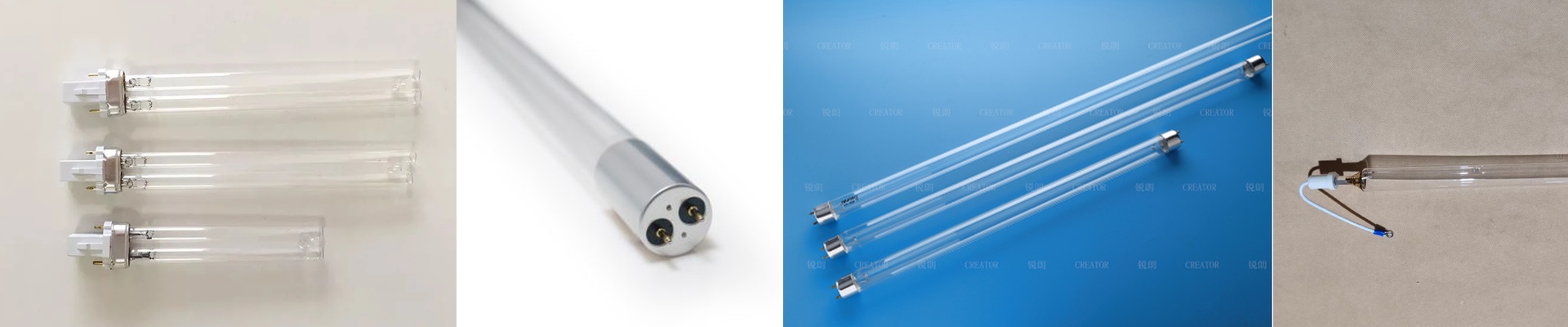
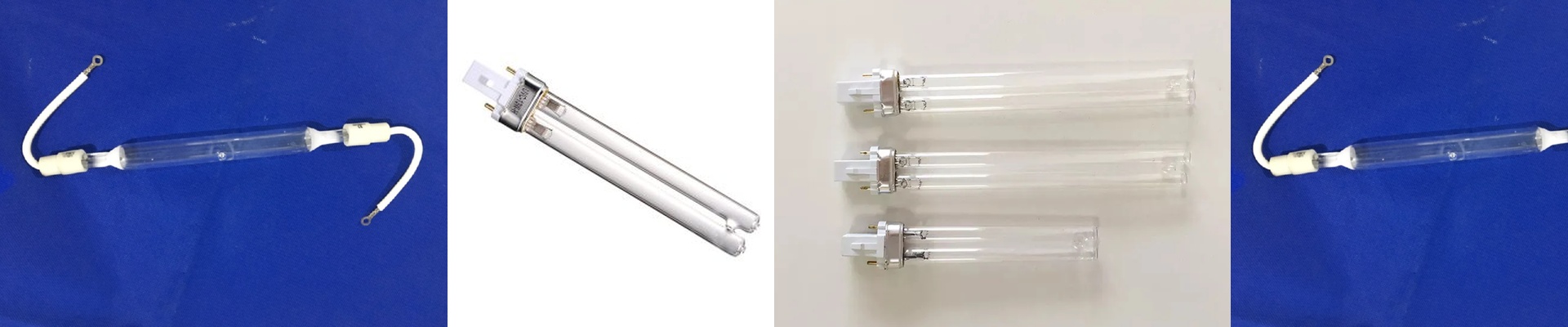
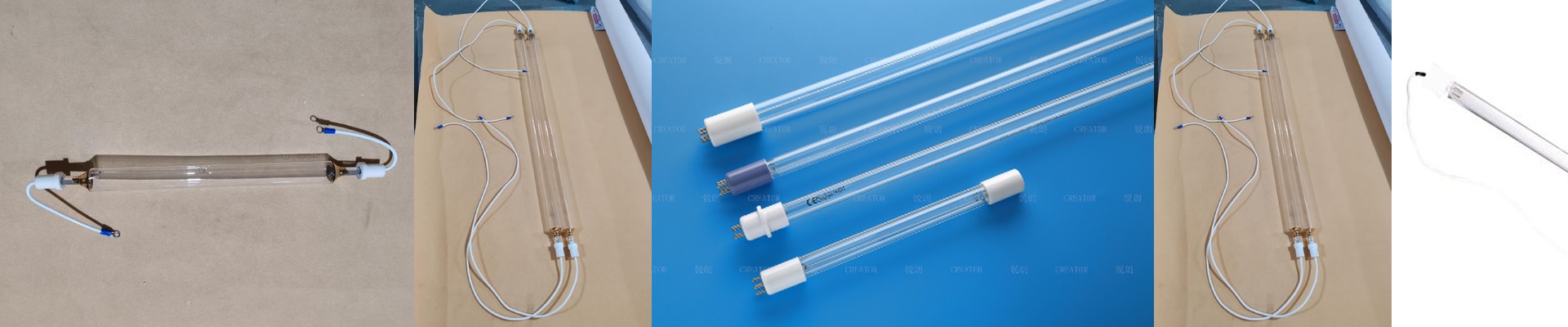
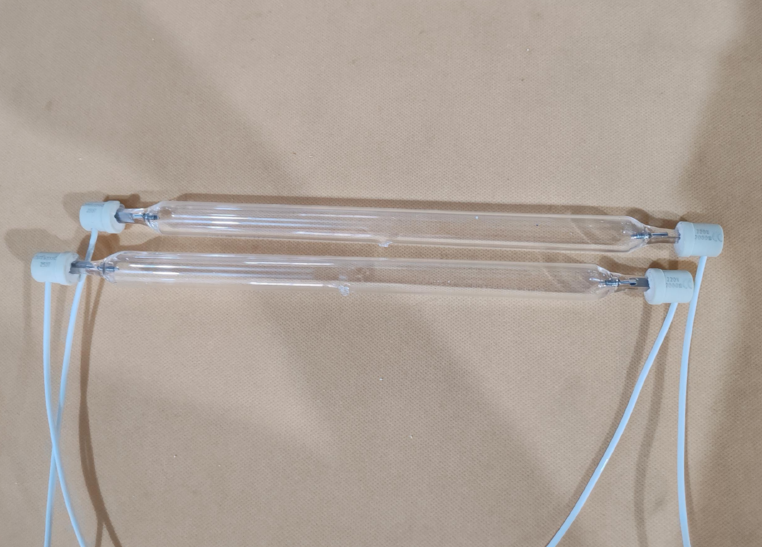
When you’re running a high-speed printing or coating line, you need gear that can actually keep up. That’s where our mercury UV bulbs come in. These aren’t your average light bulbs—they’re the heavy hitters designed to snap inks and adhesives into place the second they hit the light. How they actually work Here’s the deal: we use a mercury-vapor arc to pump out a broad spectrum of UV radiation. Most of that energy lands in the UVC and UVB bands, which is exactly what’s needed to break the chemical bonds in your ink’s photoinitiators. We build these with high wattage for a reason. You need enough energy density to punch through thick layers of ink, even when your conveyor is flying. If you push your line speed too hard without the right wattage, you’ll end up with “tacky” prints. And nobody wants to deal with smudged work. Dealing with the heat We use high-purity fused quartz for the glass. It’s the only way to make sure the UV rays get out without the glass soaking them up. But there’s a catch. These things gethot. Like, really hot. Along with the UV, you’re getting a massive amount of infrared energy. This means you’ve got to stay on top of your maintenance. Keep those reflector housings polished and make sure your cooling blowers aren’t choked with dust. If the bulb overheats, the quartz stresses out, the arc gets shaky, and your lamp dies way sooner than it should. Keeping things running We sell these in wholesale packs so you aren’t scrambling for a spare in the middle of a shift. Most of our tubes are designed to just slide right into standard curing presses without a fuss. Just a quick tip: double-check your ballast settings when you wire them up. If you run the bulb at a higher voltage than the spec, you’re basically asking it to burn out early. One last thing to keep in mind—mercury bulbs don’t just “pop” and go dark. They fade. You’ll notice the UV intensity dipping long before the bulb actually quits. The best way to avoid a sudden production crash is to track your hours and swap them out on a schedule. It’s a lot easier to plan a replacement than to deal with a line that’s stopped dead.