Stopping the Flicker: Dealing with Electrical Noise in UV Arrays
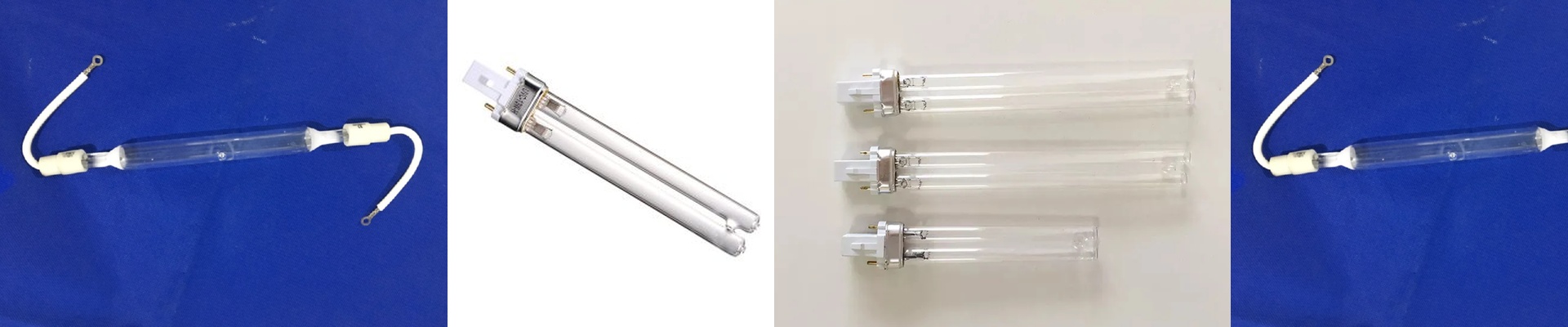
If you’ve got a few large printing presses running in one shop, you know it’s a loud place. I don’t just mean the noise you can hear. I mean the electrical chaos. Between the high-voltage ballasts and the constant switching, your facility is basically a storm of electromagnetic interference. If your mercury UV lamps aren’t up for the fight, things start going sideways. You’ll see flickering, curing speeds that jump all over the place, or lamps that just burn out way too early. It’s frustrating. Keeping the arc steady We build our lamps to hold onto that stable arc discharge, no matter how much noise is screaming around them. It comes down to the basics: what the electrodes are made of and how pure the mercury fill is. In a noisy plant, a sudden voltage spike can make the arc wander or just quit entirely. We handle this by dialing in the gas pressure and the shape of the electrodes. The result? The plasma stays centered. You don’t get that annoying “stutter” you see in cheaper tubes the second a heavy piece of machinery kicks on next door. Handling the crowd Running ten or twenty lamps at once puts a massive strain on your power. It’s a lot of load. We spend a lot of time on the impedance matching between the lamp and the ballast. This stops harmonic distortion from leaking back into your system. It’s the difference between a patchy cure and a consistent, solid output across the entire width of the web. The catch: Heat Here’s the thing. This kind of stability isn’t free. To keep the electrical side of things this consistent, these lamps run hot. Really hot. That means you can’t just “set and forget” your cooling. If your exhaust fans aren’t actually moving enough air for the thermal load, the quartz envelope is going to take a beating. That’s how you kill your lamp life. One last tip: get into the habit of checking your reflector alignment every month. A perfectly stable lamp doesn’t do much if the UV energy is hitting a dirty reflector instead of your ink. Plug them into a stabilized power source, keep them cool, and you’re good to go.