Why UV Lamps Usually Cost Too Much (And How We Fixed It)
Let’s be honest. Most UV sterilization or curing projects don’t fail because the lamps aren’t powerful enough. They fail because the replacement costs are a nightmare. You build a great system, but then you realize that swapping out bulbs every few months is eating your entire profit margin. We got tired of that. So, we decided to own the whole process. From the raw quartz to the final seal on the electrode, we do it all in-house. No middlemen, no weird markups, just a better price.
The Balancing Act: Power vs. Heat
Here is the thing about UV-C lamps: it’s all about the gas mix and the shape of the electrodes. When you’re picking your wattage, you’re basically deciding how many photons you want hitting your target. More wattage means your curing cycles are faster and your sterilization is quicker. But there’s a catch. If you cram too much power into a short tube, things get hot. Really hot. If your cooling fans can’t keep up, you’re just cooking your own equipment, and the tube will burn out way sooner than it should. It’s a trade-off you have to get right.
What Actually Goes Into the Build
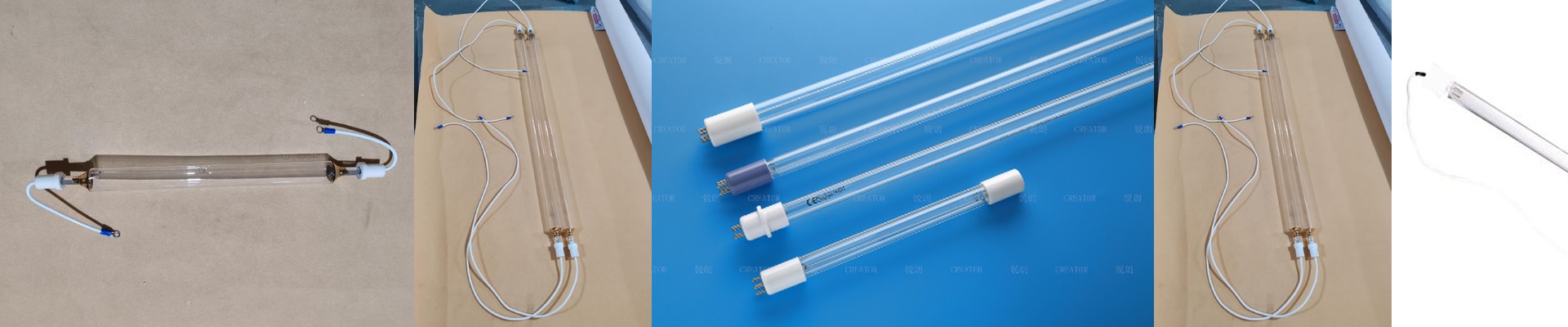
We use high-purity fused quartz. Period. If you use standard glass, the UV-C waves just hit a wall and stop, which makes the lamp a fancy, expensive glow-stick. We also obsess over the seal where the wires meet the quartz. If that seal is sloppy, gas leaks out. And once the gas is gone, your lamp is dead. To keep the price down for you, we keep our tube dimensions standard. It lets us run bigger batches without losing that “perfect fit” feel when you slide a replacement into your machine.
Making It Work in the Real World
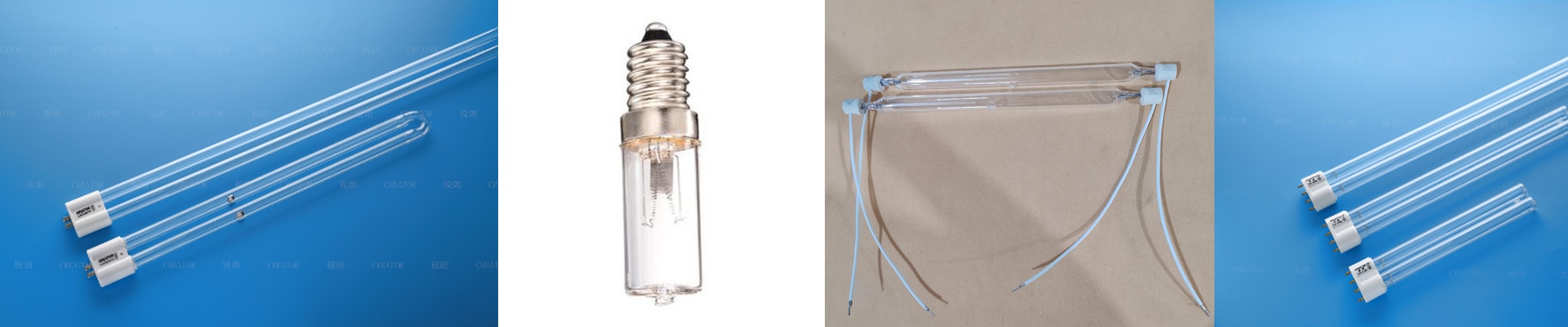
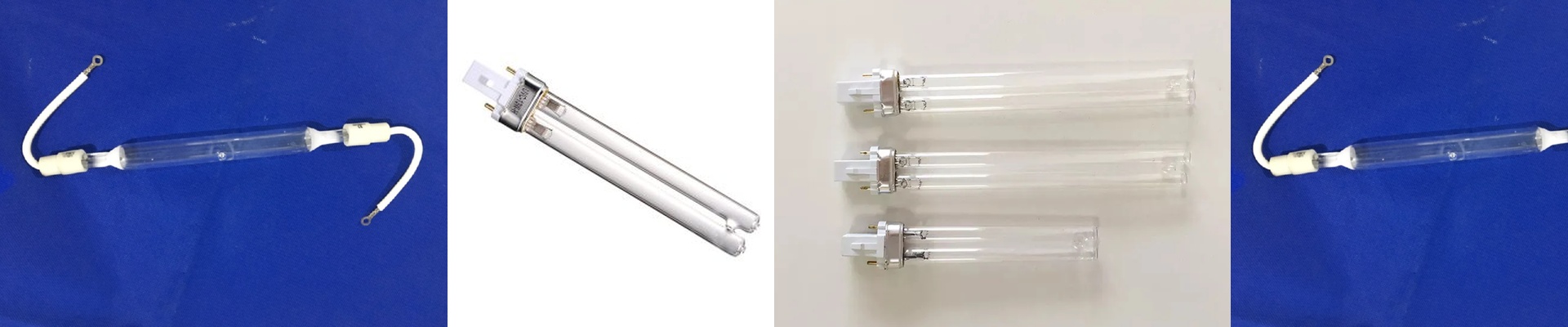
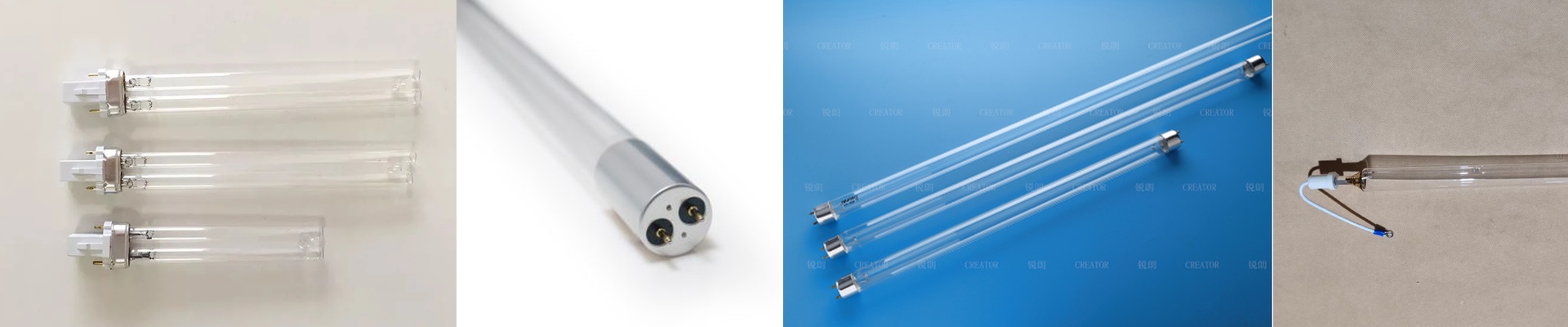
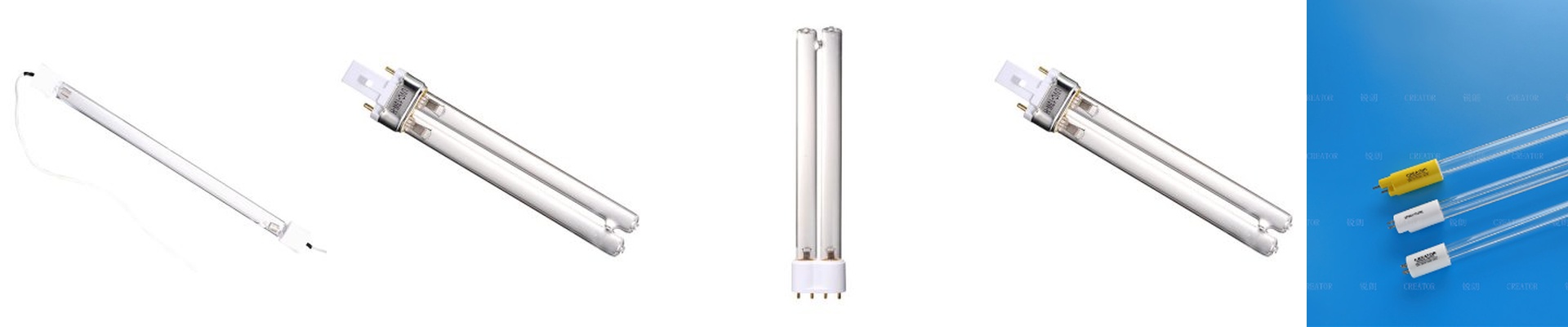
Whether you’re setting up a water treatment rack or a conveyor belt for curing, space is always an issue. We offer a bunch of different connector options because nobody wants to redesign their entire socket array just to change a bulb. Since we control the whole production line, you can actually afford to keep a stack of spares on the shelf without stressing over your maintenance budget. One quick tip: just make sure your ballast matches the lamp’s operating current. If they aren’t in sync, you’ll deal with annoying flickering or electrodes that give up the ghost way too early.