Getting Your OEM High-Pressure Mercury UV Lamps Right
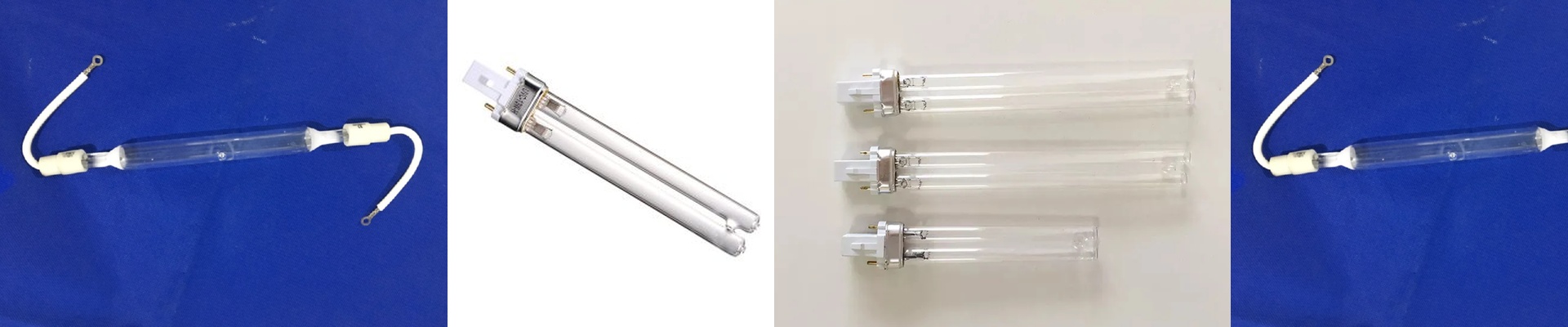
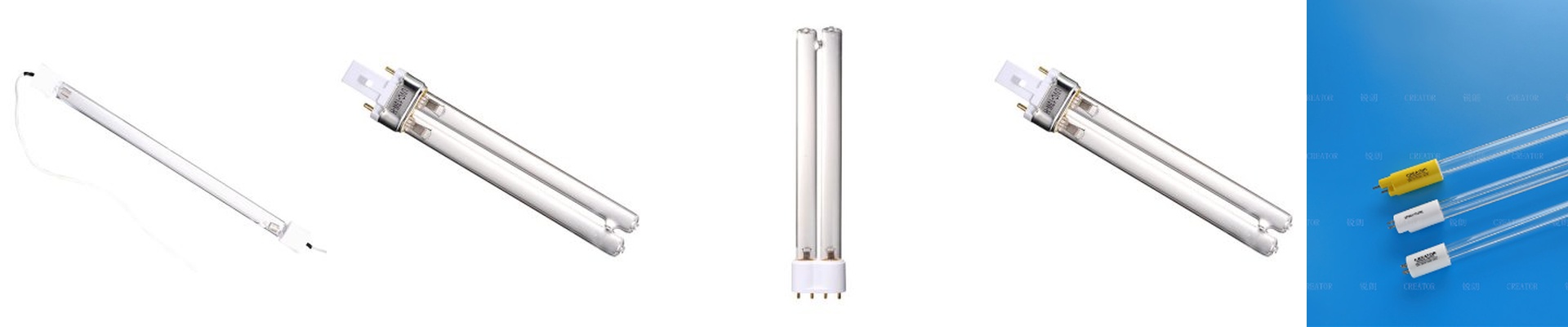
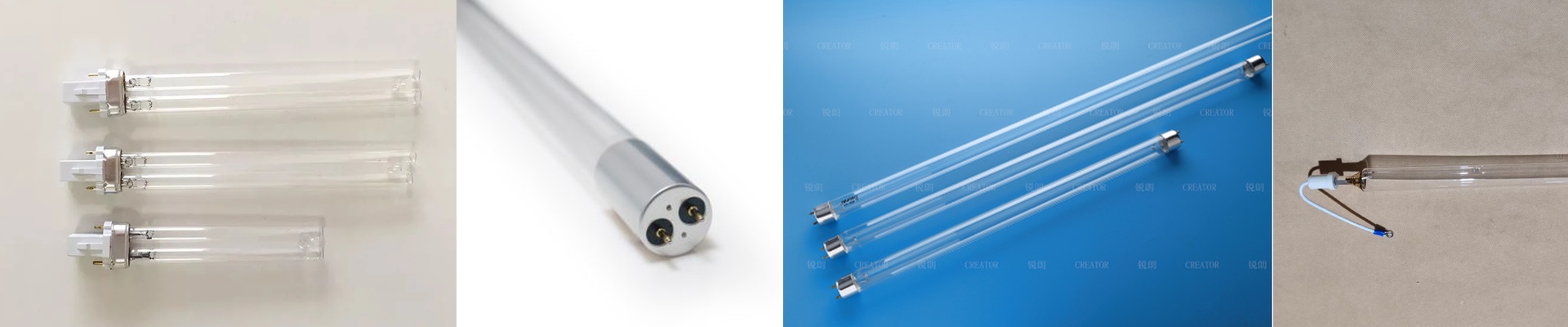
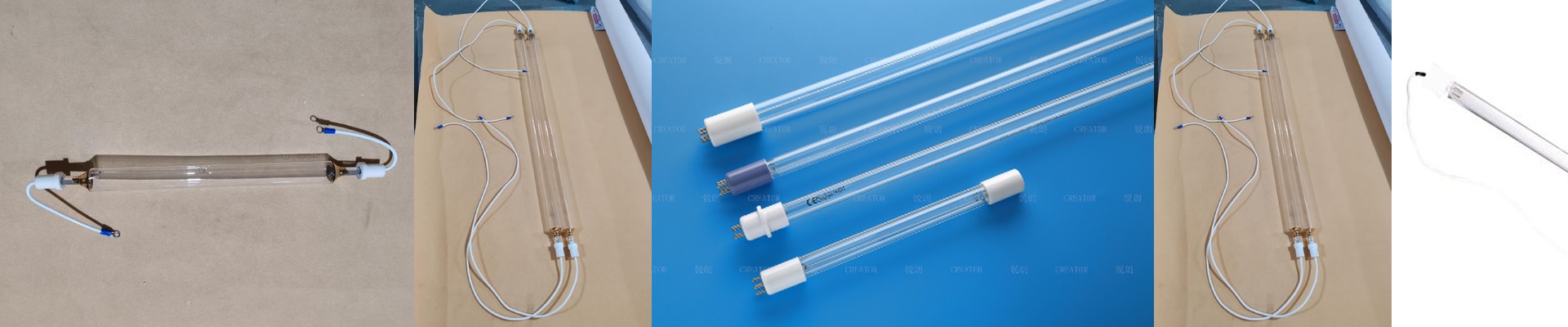
Let’s be honest: high-pressure mercury lamps are the heavy lifters of the industrial curing world. They do the dirty work, pumping out intense short-wave radiation by squeezing mercury vapor at crazy high temperatures. But if you’re buying these for your own brand or fitting them into a machine you’re selling, you aren’t just looking for a lightbulb. You’re looking for a part that actually fits the footprint and doesn’t melt the sockets the second it’s turned on.
The Balancing Act of Power
It all comes down to a bit of a tug-of-war between wattage, voltage, and how long the tube is. If you cram more wattage into a shorter tube, you get higher power density. That’s a lifesaver when you’ve got a conveyor belt moving at top speed and you need that coating to set now. But here’s the catch: your ballast has to be perfectly in sync with the lamp’s operating voltage. Too low? The arc starts acting erratic. Too high? You’re basically killing the lamp’s lifespan. We tweak these numbers for you so your customers don’t call you complaining that their gear is failing in the field.
Quality Glass and Your Brand
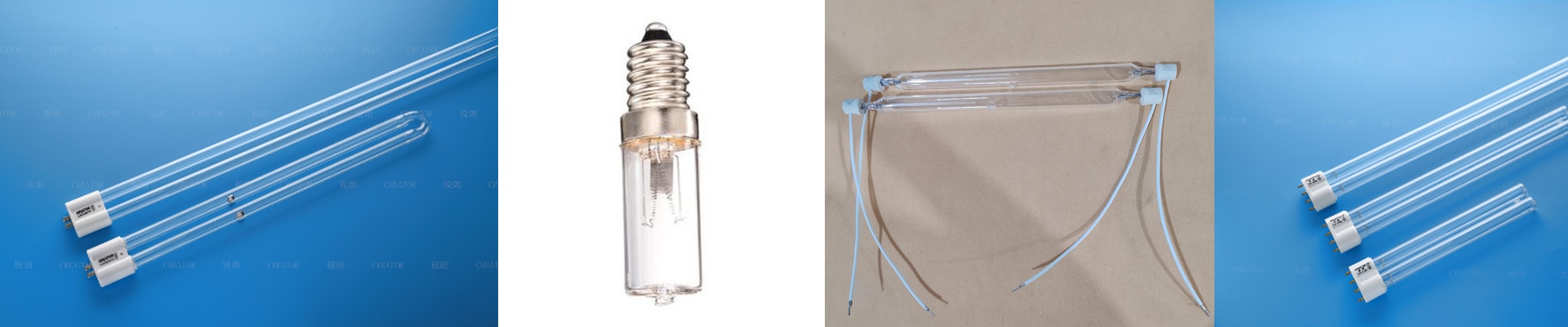
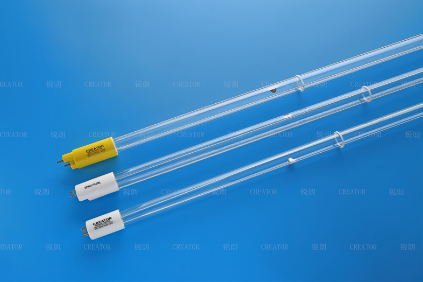
We stick with high-purity fused quartz because it lets the UV light through without any fuss. Sometimes, depending on what you’re curing, we can “dope” the quartz to shift the light to a specific wavelength. When it comes to the OEM side of things, we handle the branding and the boring paperwork. We can even custom-build the end-caps or connectors. The goal is to make it a “drop-in” part—your customer just plugs it in, and it works. No hacking, no rigging, no headaches.
The Heat Problem
Here is the thing about these lamps: they don’t just put out UV light; they put out a massive amount of infrared heat. You can’t just ignore that. If you try to squeeze a high-wattage lamp into a tiny housing, you’re asking for trouble. Without a beefy cooling system, the quartz can crack or your reflectors might warp. It’s a mess. We’ll help you find that sweet spot where the curing is fast, but the machine stays cool. Because at the end of the day, you want your brand to be known for reliability, not for equipment that catches fire.