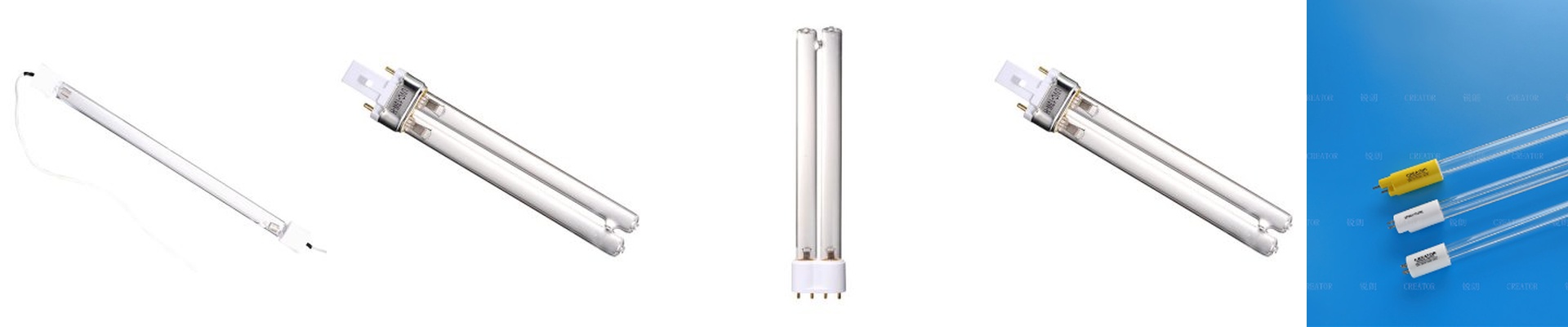
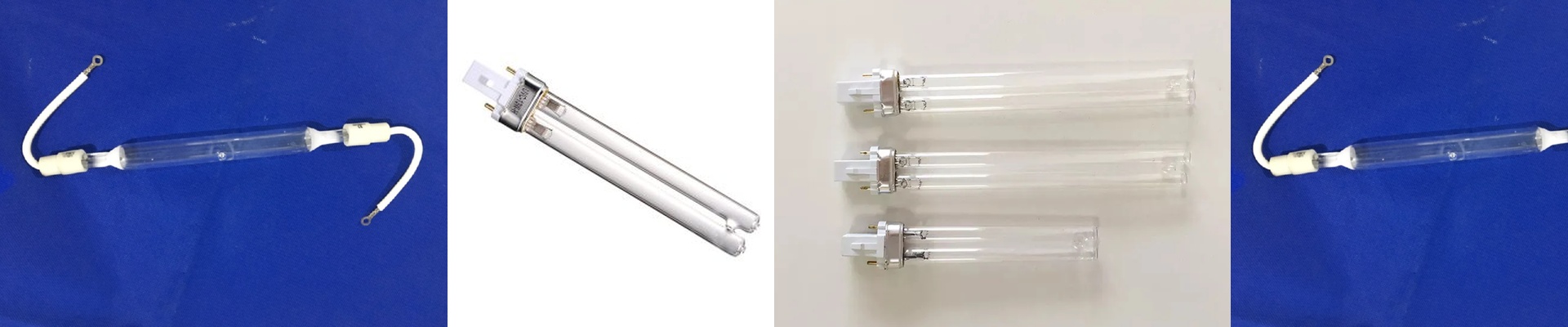
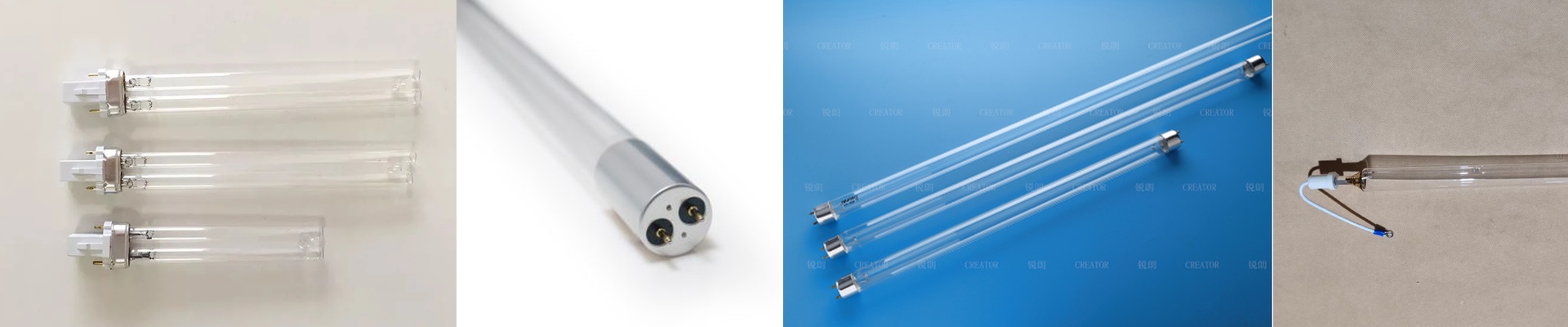
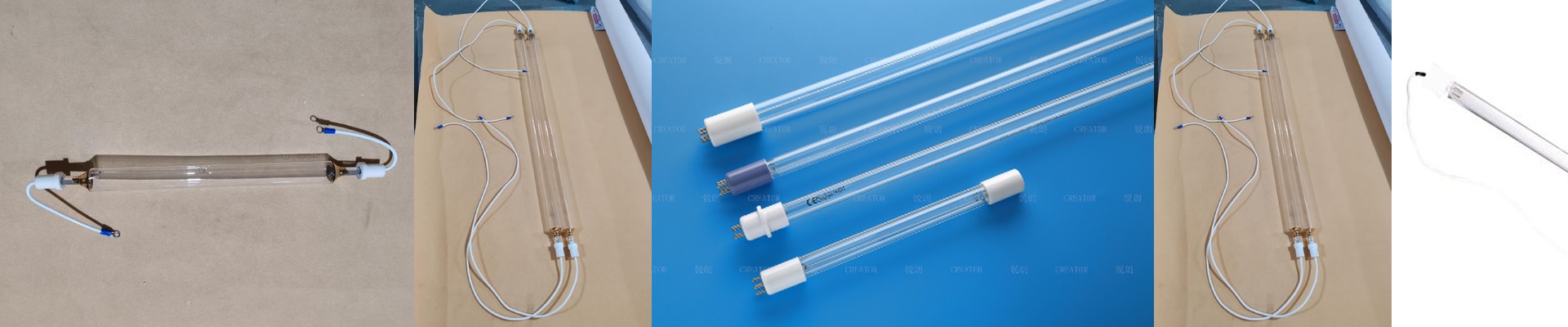
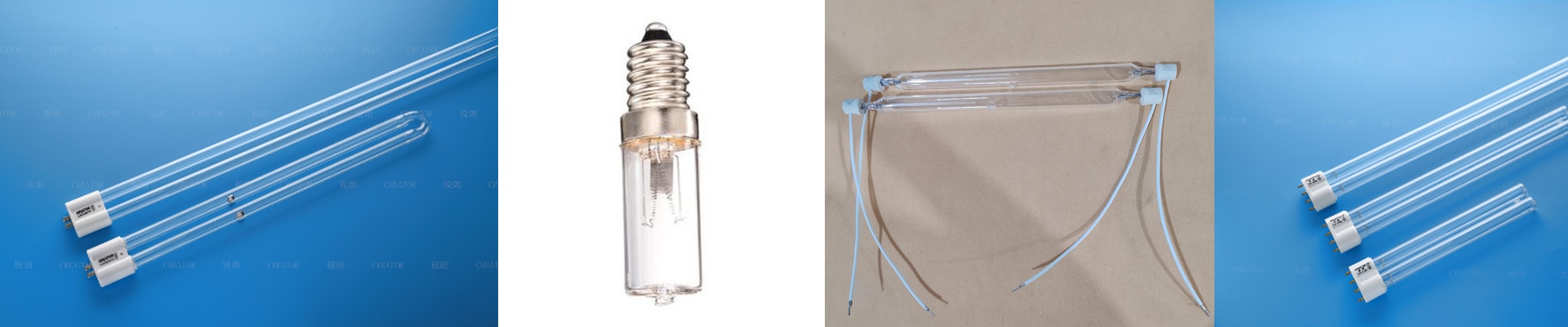
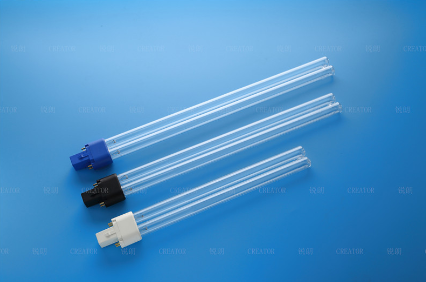
On the floor, a UV curing line can’t just pause. When the lamp slips, ink stays tacky, throughput tanks, and rework stacks up. That’s why CE isn’t paperwork—it’s the engineering baseline that keeps a UV lamp qualified for real industrial work worldwide. Here’s what actually matters: measurable performance. A high-output germicidal UV lamp needs stable spectral output at 254nm, with peak irradiance calibrated to the process window. Whether you’re curing or disinfecting, it comes down to dose—energy density in mJ/cm² delivered at the substrate, not just at the lamp surface. We match photoinitiator absorption and the required cross-linking density by controlling intensity and dwell. No guessing. Expect output that holds after 1,000 hours, minimal spectral drift, and an ozone-free design that keeps operator exposure and maintenance predictable. Compliance is what keeps you running. CE marking confirms conformity to safety and EMC requirements, clearing the way for EU installation and smoothing acceptance elsewhere. Cycle times improve because the lamp hits stable output fast, and repeatable intensity means less scrap. Energy use drops because the reflector assembly and lamp geometry put usable UV on the target, not wasted heat. Replacements happen less often because the lamp life curve stays flat, and the system is built to handle end-of-life without sudden failures. Before you swap, confirm your fixture’s arc length, terminal orientation, and cooling capacity. These lamps need stable power and clean airflow—overvoltage or blocked cooling will shorten life and shift spectral output. Match the driver and reflector to the lamp, then verify compatibility with your printer’s cure profile using a radiometer. CE certification only matters when the lamp is installed correctly and run within its rated envelope.