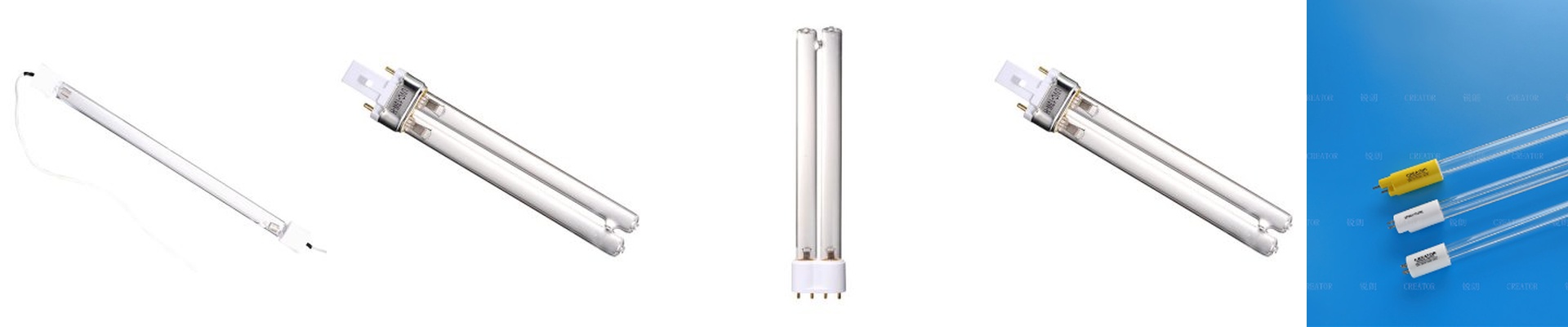
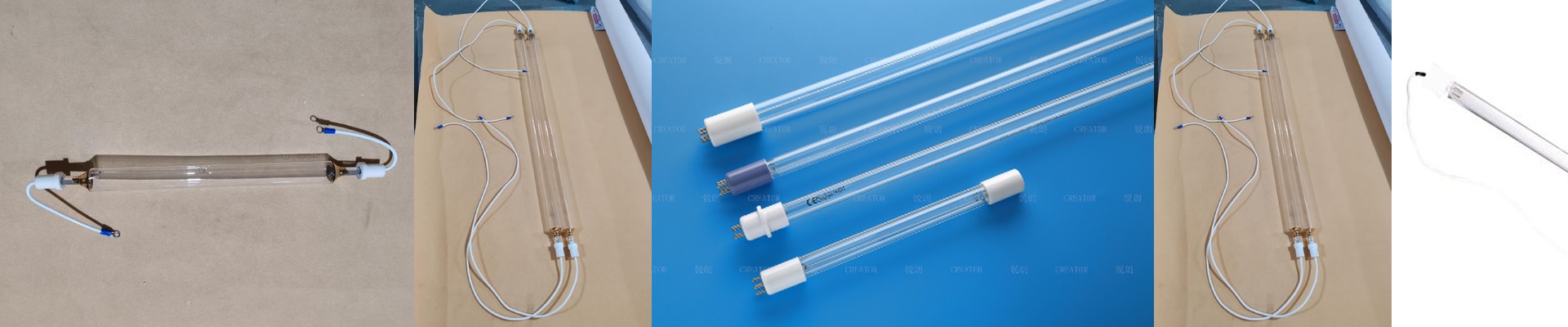
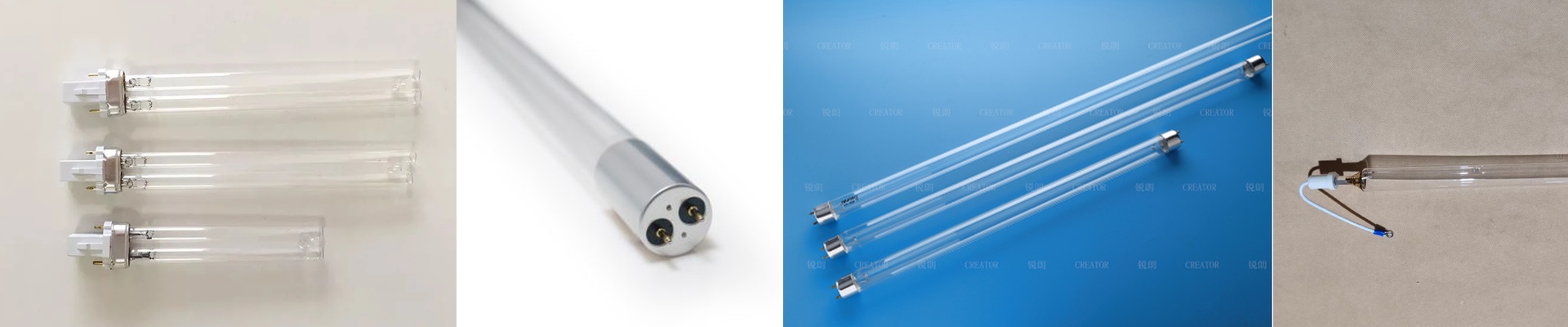
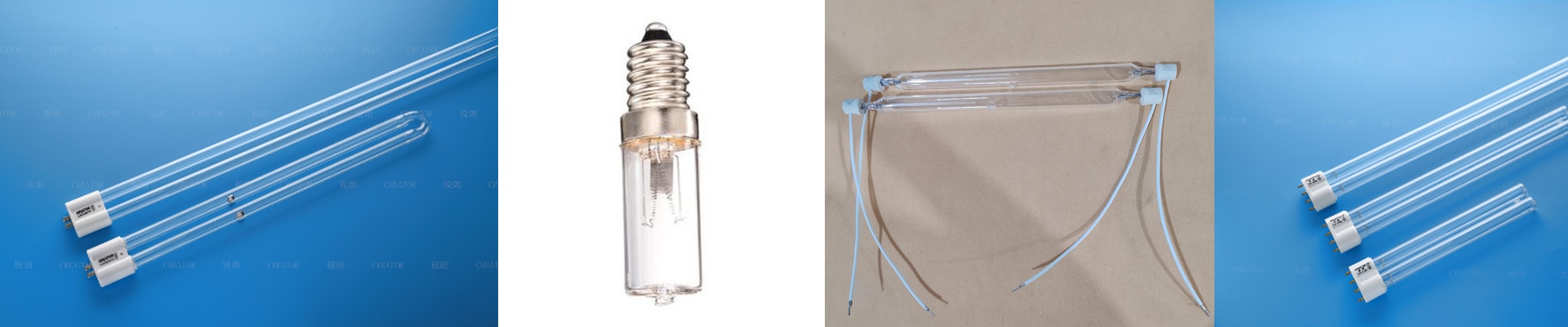
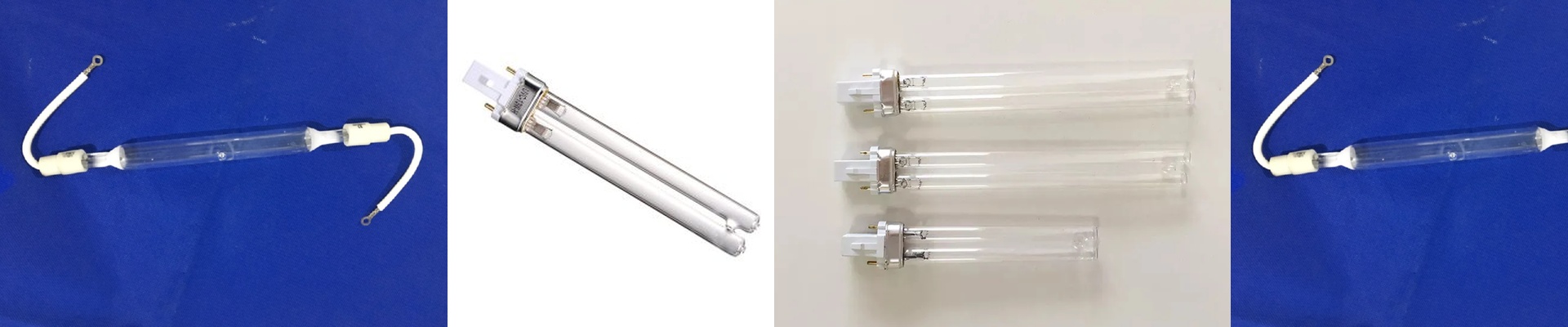
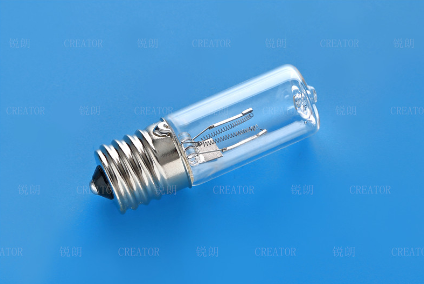
Whether you’re running a lab-grade photochemical reactor or a full industrial UV line, you need spectral control you can measure, not guess at. If lamp output drifts, the photoinitiator activation misses, conversion drops, and repeatability goes out the window. And in 2026, lamp disposal rules tighten across regions. Mercury-bearing systems will need traceable handling, containment, and end-of-life procedures. That isn’t paperwork—it’s a constraint on uptime and operating cost. What matters technically We build ozone-free UV lamps on a quartz body, using dichroic coatings to shape spectral output at 365 nm, 385 nm, or 405 nm. Peak irradiance is specified at the arc distance you actually use in the fixture, not at some theoretical point. Energy density, measured in mJ/cm², comes in as a stable curve across lamp life—no sharp early spike that collapses after 2,000 hours. Mercury vapor pressure and electrode design hold arc temperature, so output stays consistent through long exposures. The reflector, with controlled facet geometry, sends stray wavelengths back into the target band, boosting effective dose without heating the substrate. Why this works where it counts Lab reactors need spectral purity because the photon budget is small and the chemistry is touchy. A narrow band cuts parasitic absorption and side reactions, so yield and reproducibility improve. In industrial UV curing—offset, flexo, and screen—that same spectral discipline translates into faster cross-linking at lower temperatures, fewer rejects from surface tack, and longer lamp runs between changes. You get more curing per joule, and fewer lamp swaps per week. Things to keep straight These lamps drop into standard high-pressure mercury fixture interfaces, but reflector alignment and cooling airflow have to match the datasheet. Output uniformity comes down to arc length, reflector focal distance, and conveyor speed. Plan for disposal tracking now: keep lamp IDs, operating hours, and mercury content records. That keeps you compliant with 2026 requirements and prevents production stoppages.