Getting the Most Out of Your 80W/cm Mercury UV Lamps
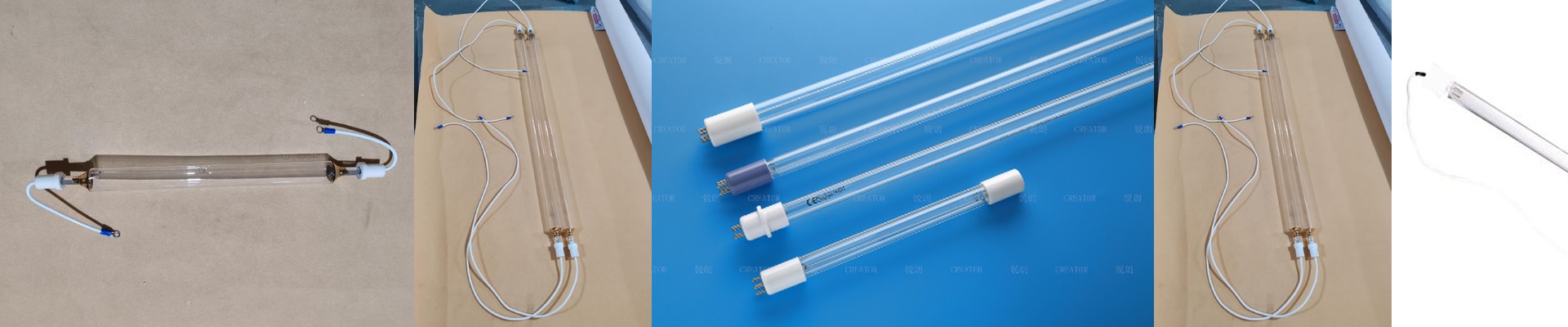
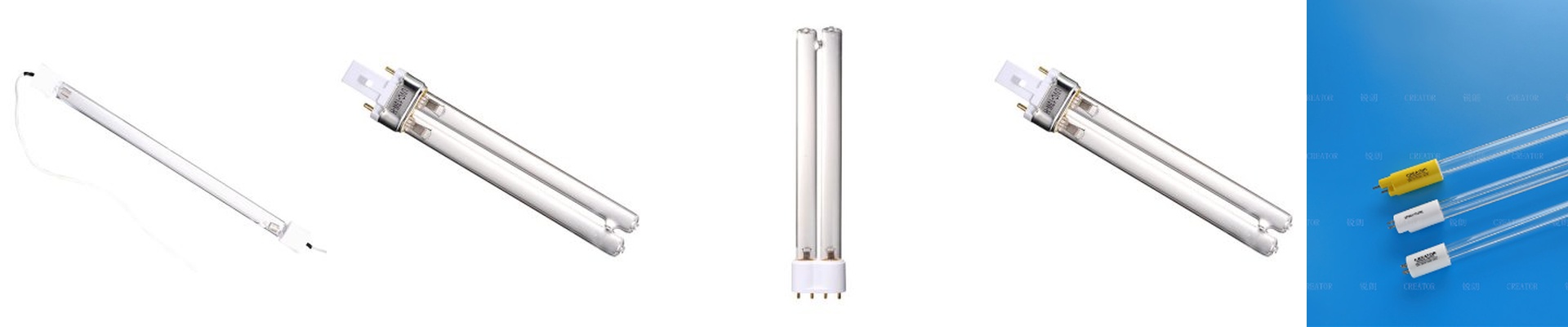
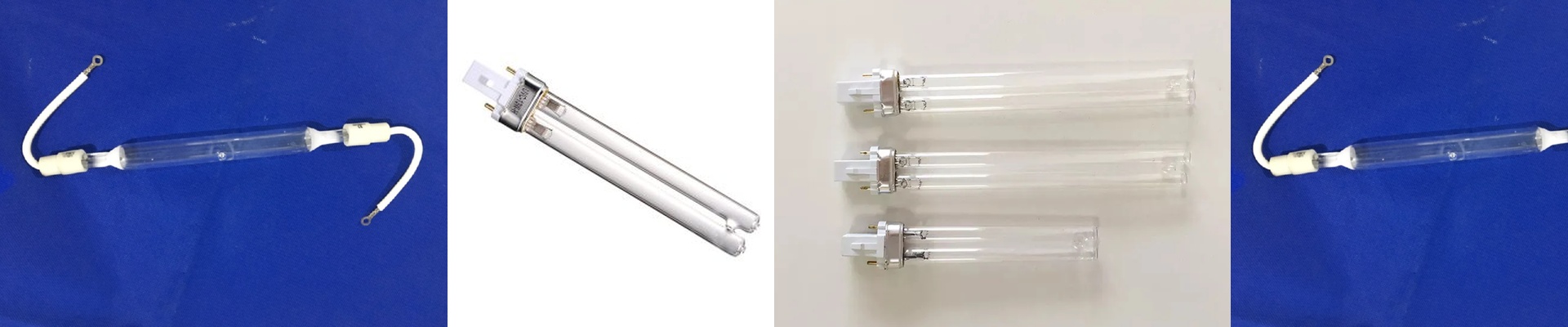
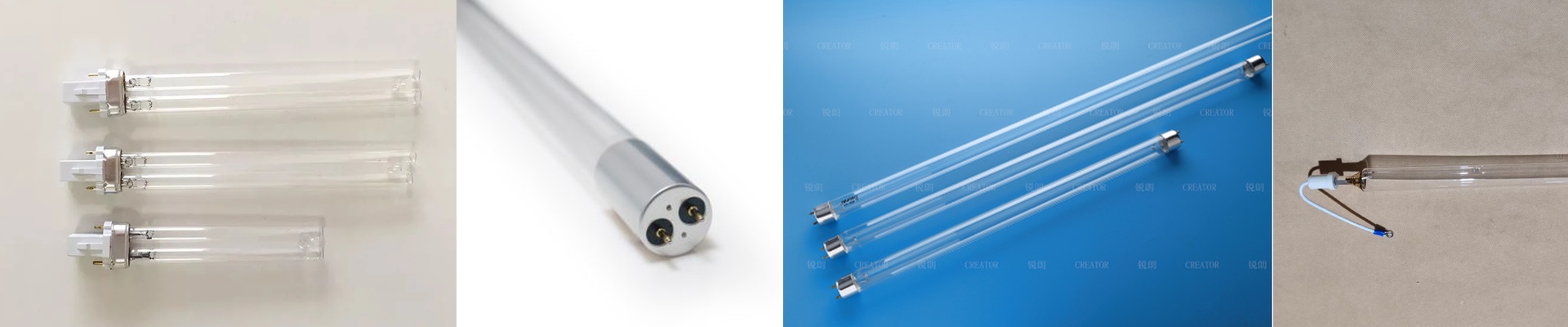
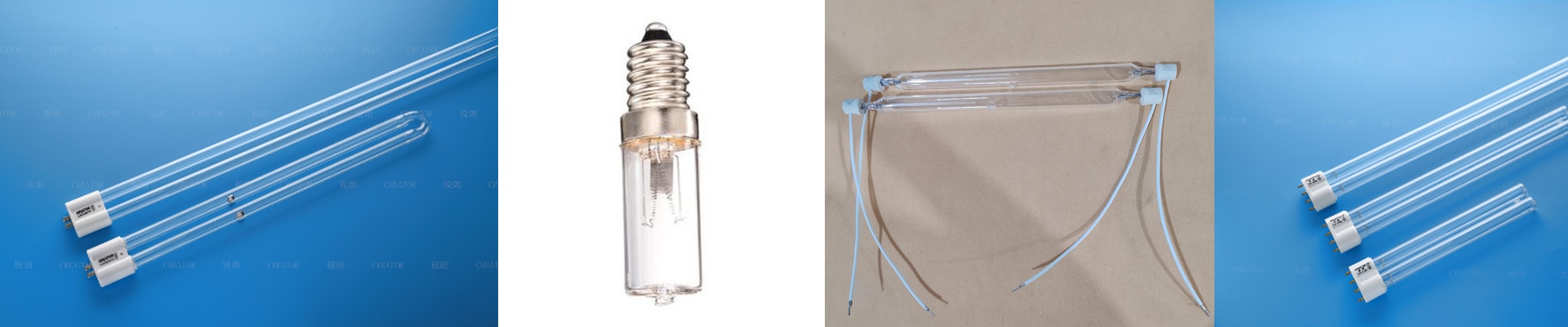
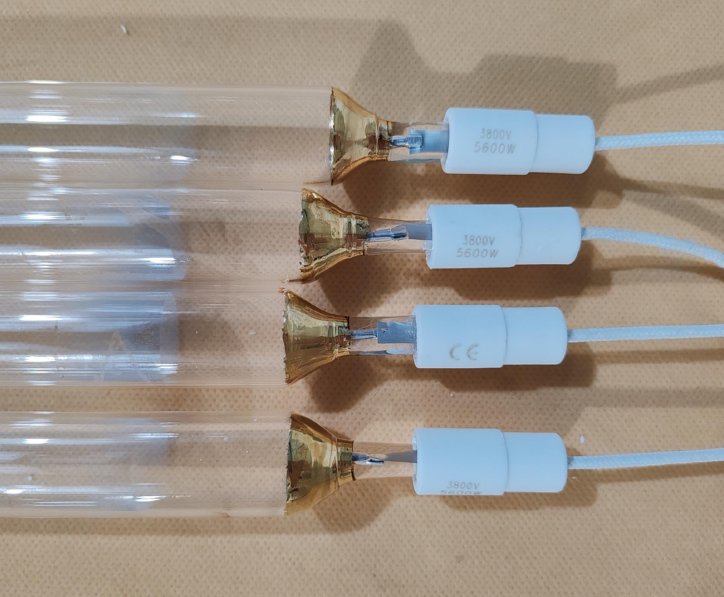
If you’re running an industrial printing or coating line, you probably already know that 80W/cm mercury lamps are the real workhorses of the shop. We build these things to pump out a steady stream of UVC—specifically at that 254nm mark—which is exactly what your inks and adhesives need to snap into place and cure. Let’s talk about that 80W/cm number. It sounds like a spec sheet statistic, but in the real world, it’s all about speed. Think of it as linear power. If you’ve got a 100cm lamp, you’re pushing 8,000W through that tube. Why does that matter? Because the more power you have per centimeter, the faster your line can move. It means your substrate spends less time under the lamp and more time moving toward the shipping dock. But here’s the catch: your ballast has to be a perfect match. If you under-power the lamp, you’ll end up with “tacky” surfaces that just won’t dry. Over-power it, and you’ll fry the electrodes way sooner than you should. Dealing with the heat We use high-purity fused quartz for the glass envelope. It’s a great material because it lets the UV radiation fly right through without getting trapped, and it can handle the brutal heat coming off the mercury arc. Still, these lamps runhot. Since that 80W/cm density creates a massive amount of thermal load, your cooling system needs to be up to the task. Whether you’re using forced air or water-cooled jackets, don’t cut corners here. If the quartz gets too hot, you’re looking at thermal shock—or worse, a tube that just gives up and fails. Putting it all together The good news is that these lamps usually slide right into most standard UV arrays without any fuss. But we don’t just want to sell you a bulb; we want to look at your ink chemistry. Every pigment absorbs UV differently. We can help you figure out the exact dose you need so you aren’t wasting electricity or accidentally cooking your materials. One last tip:keep the glass clean. It sounds simple, but a single fingerprint or a bit of dust can create a hot spot on the quartz. That’s usually all it takes to trigger a localized failure. Keep it spotless, and your lamps will last a lot longer.