Making GaI UV Systems Actually Work for You
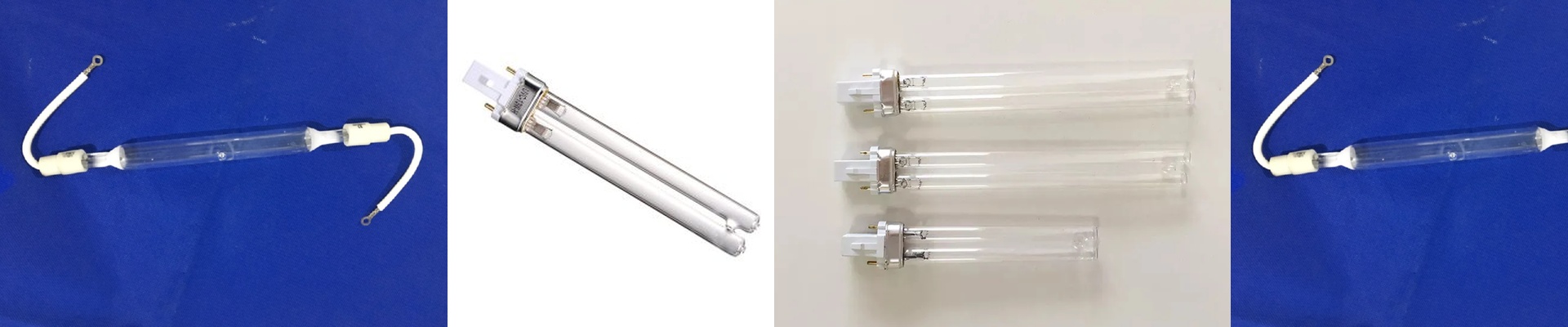
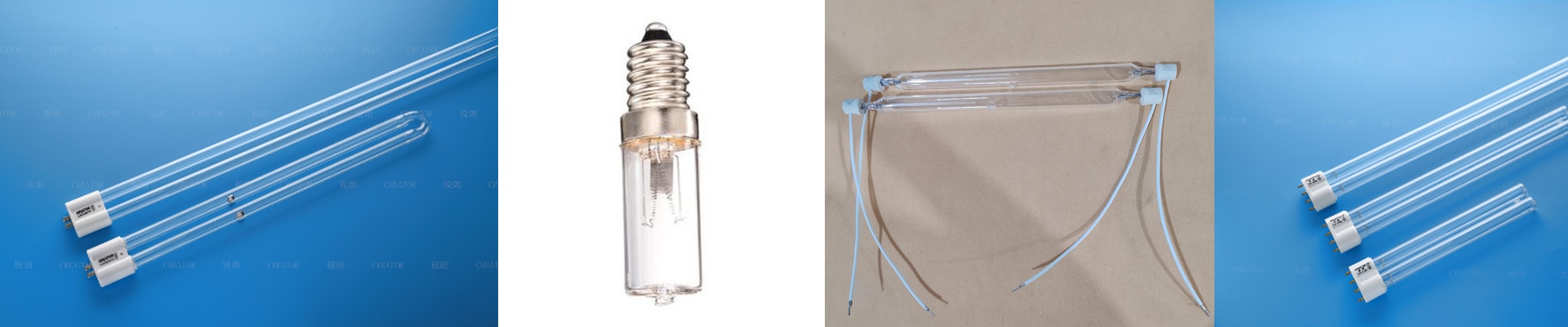
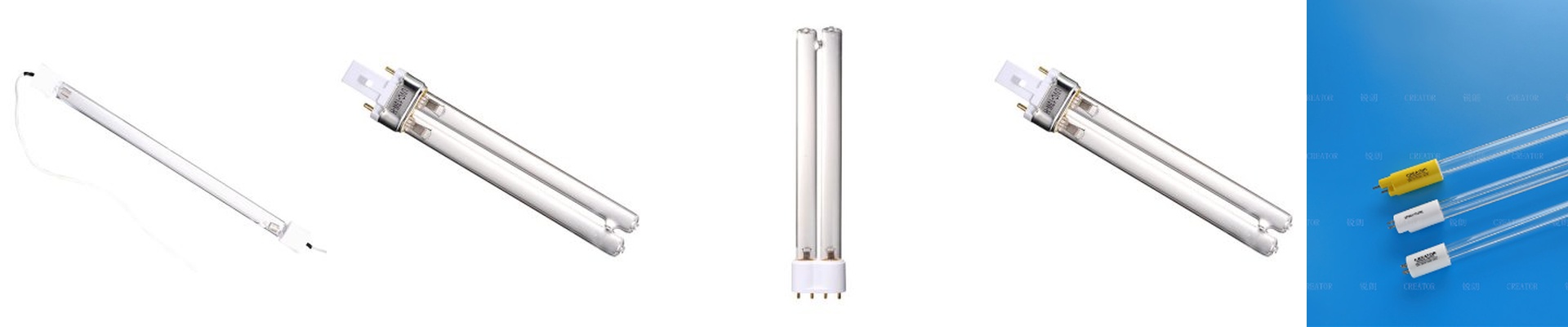
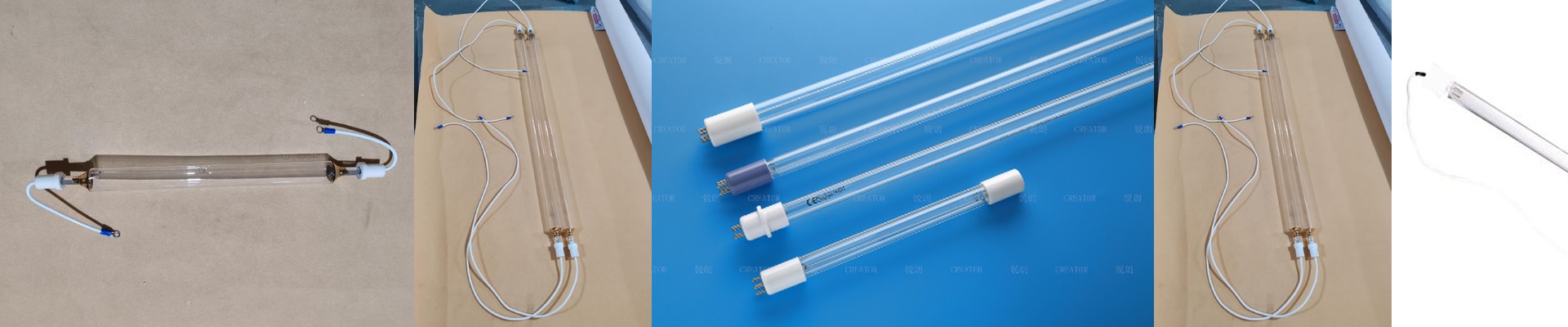
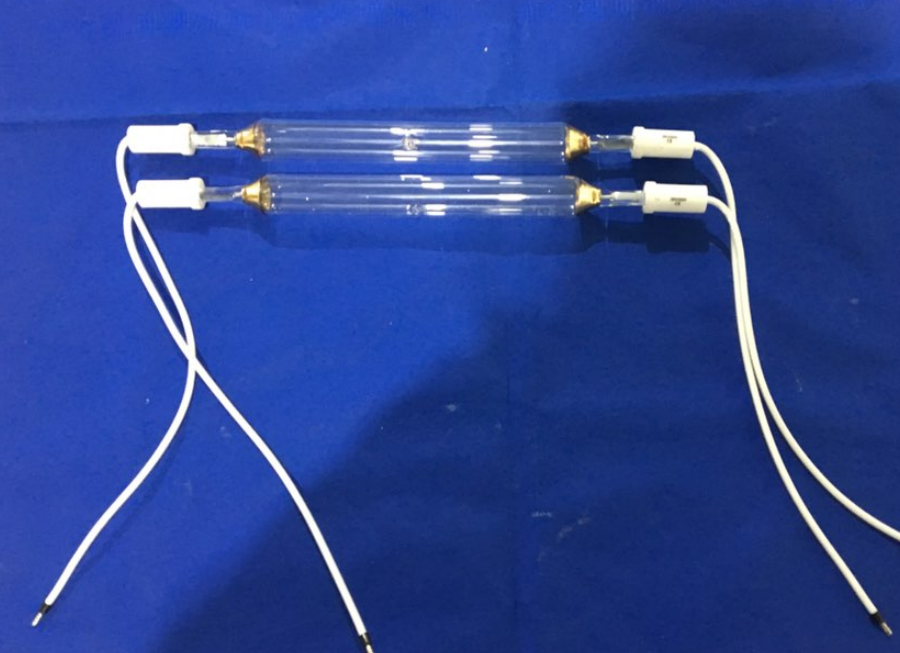
Gallium Iodide (GaI) lamps are great. They hit a specific spectral sweet spot that leaves standard mercury vapor in the dust, especially when you’re dealing with high-speed curing. We’ve spent a lot of time building these things to handle heavy workloads, but the way we think about these lamps is changing. It’s not just about the light hitting the part anymore. It’s about the data.
Stop Flying Blind
Most UV lamps are basically “blind.” You flip a switch, the light comes on, and you just hope it’s working. You usually don’t realize the output has dipped or the ballast is acting up until a batch of parts fails QC. That’s a nightmare. So, we’re building remote energy monitoring right into the power setup. Now, you can just glance at a dashboard and see exactly what’s happening with your wattage and voltage in real time. If a lamp starts to drift, the system gives you a heads-up. You swap the tube on your own terms, rather than having the whole production line grind to a halt.
The Trade-offs (Because Nothing is Perfect)
The chemistry in GaI allows for a much tighter, more intense peak than the old blends. We can tweak the length and wattage to fit your space perfectly. But here’s the catch: these lamps gethot. Really hot. If you’re pushing for max irradiance, you can’t skimp on your cooling. Your manifolds need to be up to the task. If the airflow isn’t there, you’re going to fry your electrodes and burn through tubes way faster than you should.
Getting it onto the Shop Floor
We made these “smart” lamps a drop-in replacement. We use standard industrial connectors, so you won’t have to spend your weekend rewiring the entire rack. The real win here is that you can finally see the actual degradation curve of your lamps. No more guessing when to replace them based on a calendar or a “gut feeling.” You replace them when the data says they’re tired. It cuts down on waste. It keeps your speeds consistent. And it just makes the whole shift run a lot smoother.