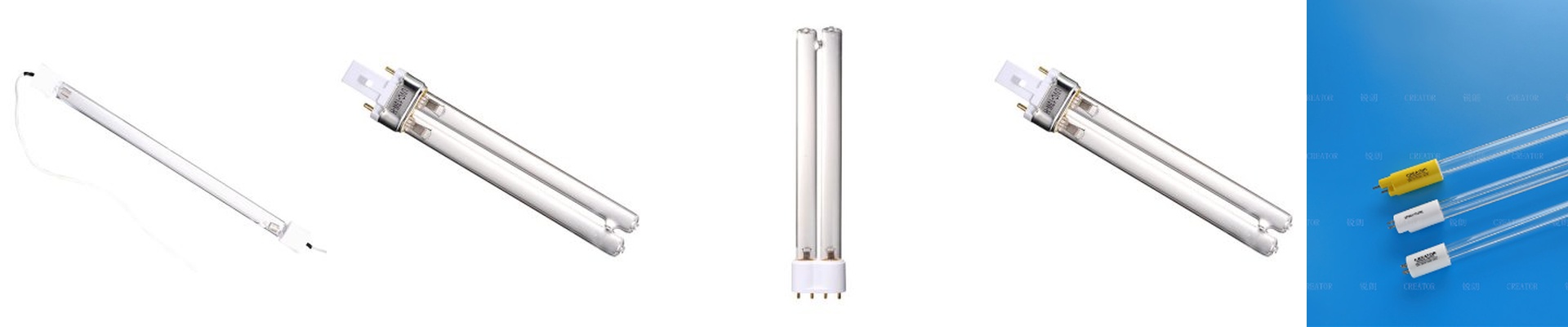
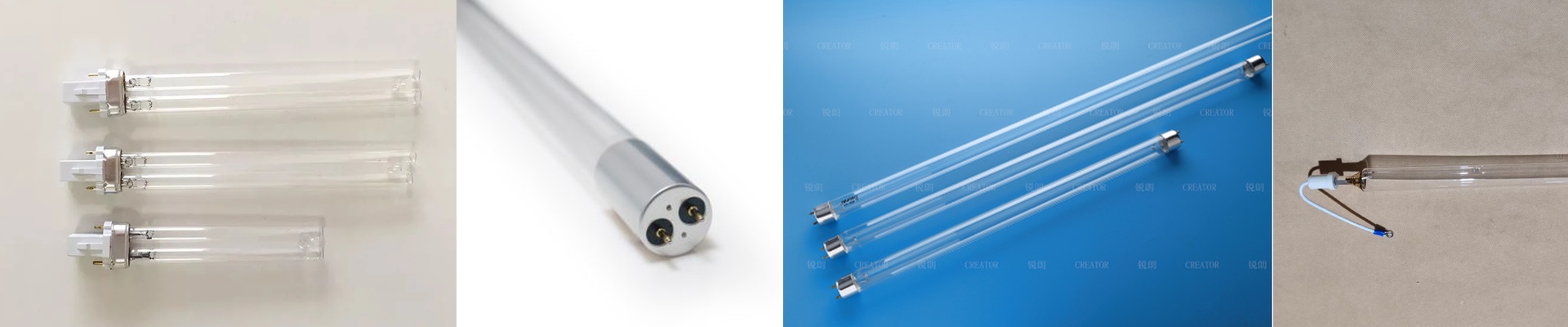
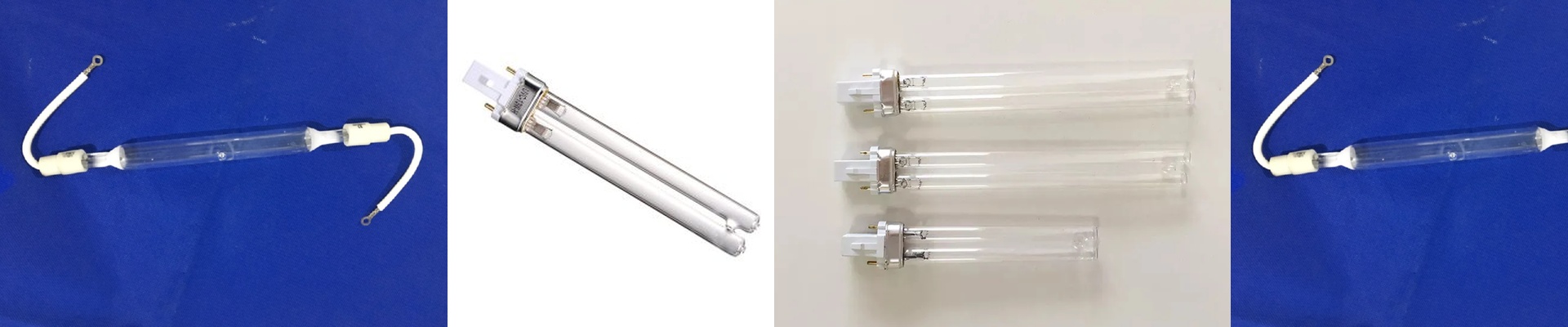
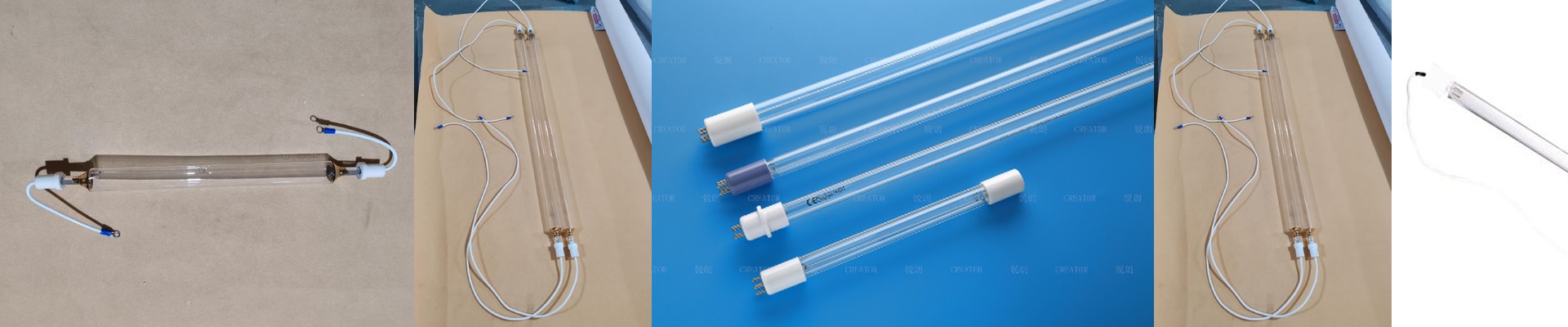
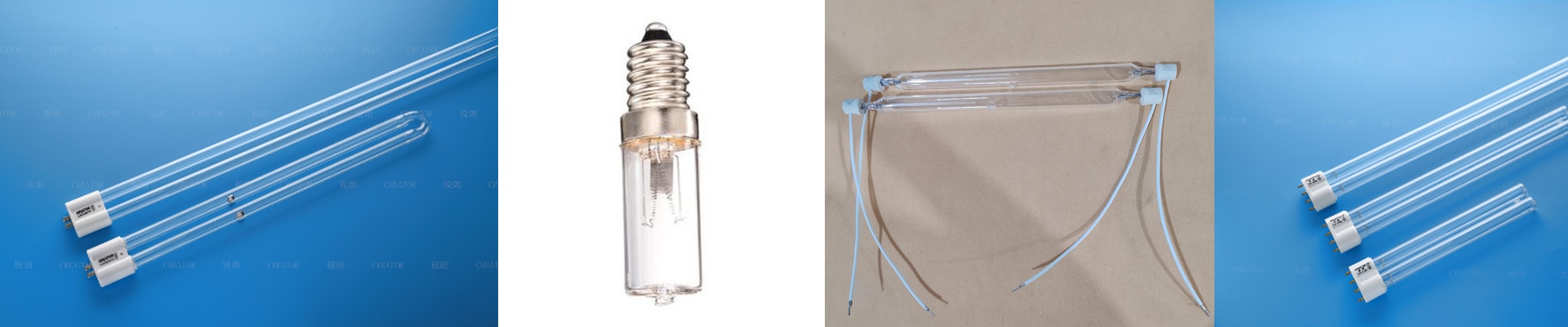
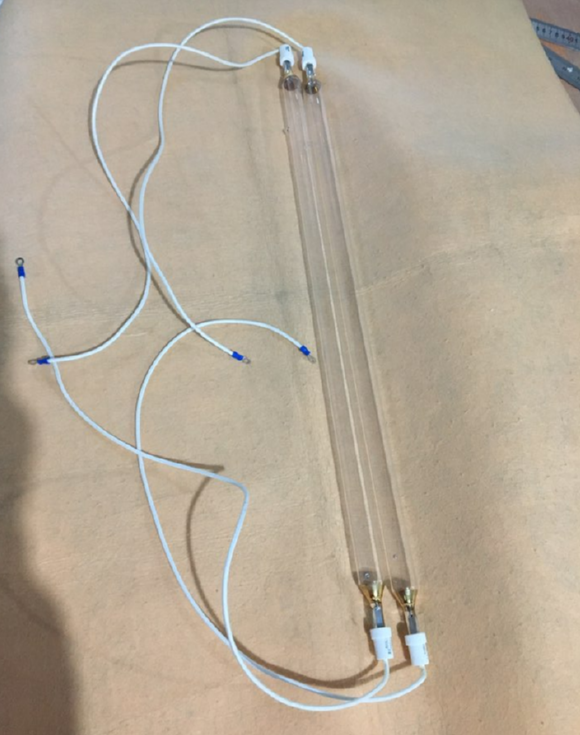
On metal and glass lines, adhesion is decided in the first millijoules. If the substrate won’t bond, you can usually trace it back to weak UV intensity—photoinitiators don’t fully react, and cross-linking falls short. You need stable, high-irradiance delivery, and that starts with the sleeve protecting the lamp. What matters under the hood These sleeves are built for the high-pressure mercury vapor lamps that run industrial UV curing. They’re engineered to preserve spectral output at 365nm and 385nm with minimal absorption. The quartz body gives you high UV transmission and handles thermal shock, and the reflector-grade geometry keeps peak irradiance consistent across the curing window. We target stable output to 5,000+ hours with less than 5% drop, so your energy density at the substrate stays predictable. Why it matters on tough substrates Metal and glass don’t stick on surface drying alone—you need deep cross-linking. High, stable irradiance pushes photoinitiators through pigments and primers, and that builds a bond that resists chipping and solvents. The sleeve keeps lamp output steady, so you can run faster without cranking lamp power. Over a year, fewer lamp changes and repeatable cure mean less downtime and less maintenance labor. Field-level details you can’t skip Installation tolerance is tight. If the sleeve isn’t aligned to the reflector and shutter, uniformity goes sideways. Check lamp-to-sleeve clearance, confirm reflector condition, and make sure the sleeve is compatible with your curing module. Dust and humid air shorten service life. Keep the sleeve clean and keep lamp airflow within spec. And yes, you’ll see a bit higher energy draw during warm-up—then you settle into stable performance across the full duty cycle.