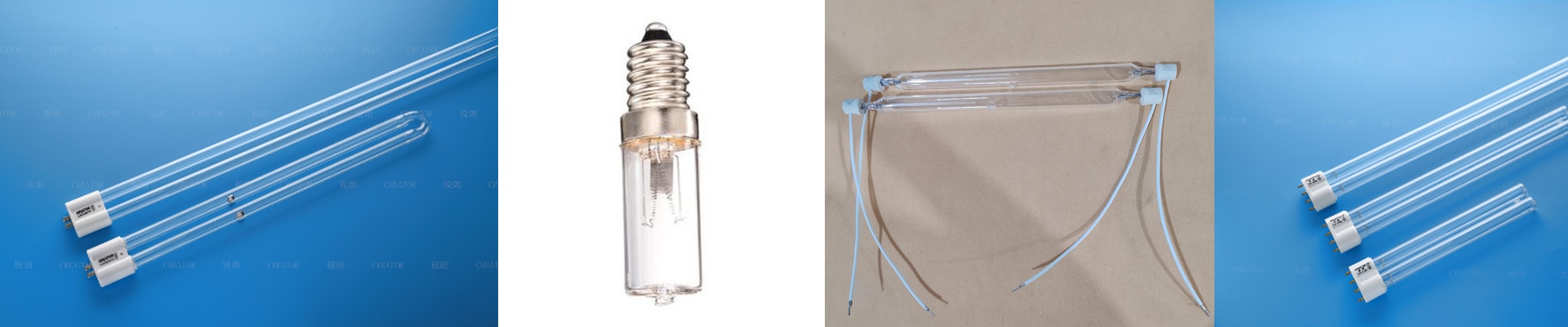
Let’s Talk About Mercury UV Bulbs
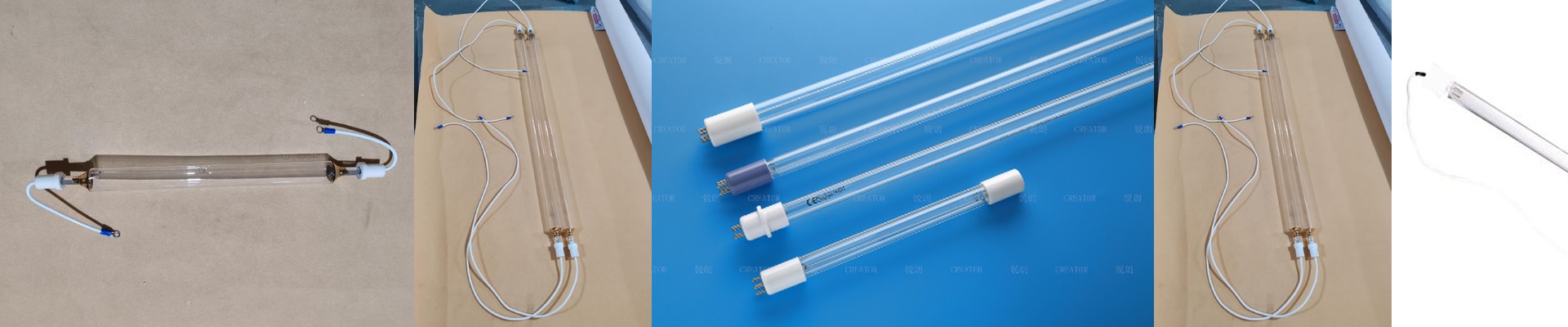
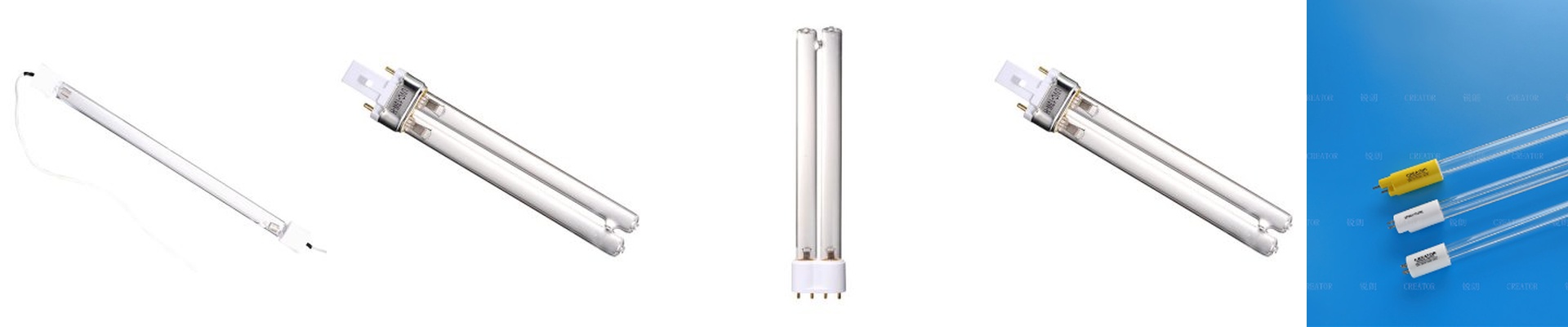
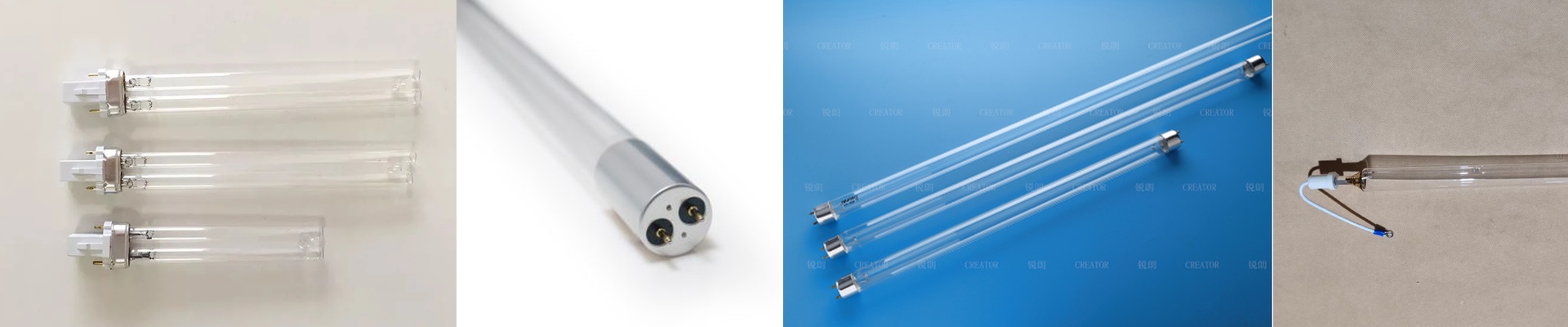
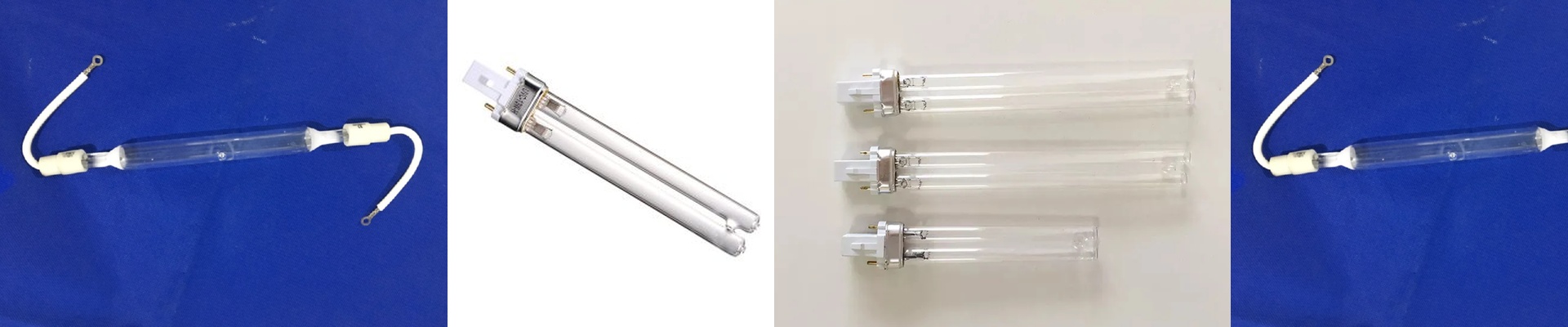
Mercury UV lamps are basically the heavy lifters of the curing world. We build these things to turn electricity into a blast of high-intensity UV light—specifically in that 254nm to 365nm sweet spot. That’s the magic window that tells your inks and coatings to harden and lock into place.
Getting the Power Right
It all comes down to a plasma discharge. We spend a lot of time tweaking the wattage and voltage just to make sure the arc stays steady. Here is the thing: more wattage means more photons, which means your conveyor belt can move faster. But you have to be careful. Your bulb’s output needs to play nice with your photoinitiator. If they aren’t on the same page, you’ll end up with a tacky, sticky surface and ink that just peels right off. Not a great look.
Dealing with the Heat
We use high-purity fused quartz for the glass. Why? Because it lets the UV rays fly through without the glass soaking them up. But fair warning: these bulbs gethot. Like, really hot. If your cooling fans quit or your reflectors get caked in grime, the quartz will stress out and the ends will burn out way too soon. You can’t just “hope” the ventilation is okay. You need it to be spot on to keep the bulb from cooking itself.
Working Smarter, Not Harder
We’re moving away from that old “set it and forget it” way of doing things. Now, we’re plugging these bulbs into systems that actually talk to the machinery. The power output adjusts based on how fast your line is moving. It stops you from over-curing your product and saves a decent amount of electricity. Swapping a bulb is easy—just pop the old one out and drop the new one in. But the real trick is keeping an eye on the hours. Mercury vapor wears down over time. You might not see it, but your UV intensity is dropping. If you track the runtime, you can swap the bulb before your product fails a quality check. It’s way better than waiting for something to go wrong and then scrambling to fix it.