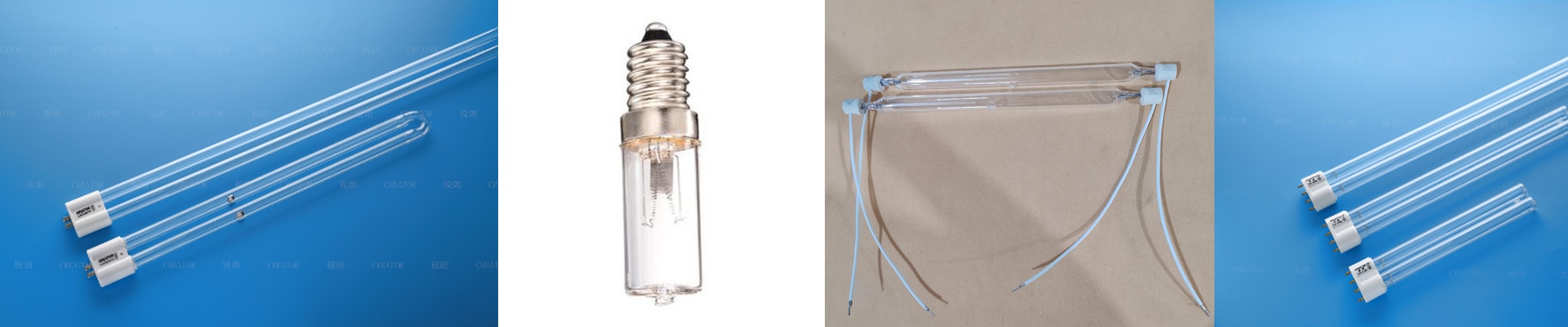
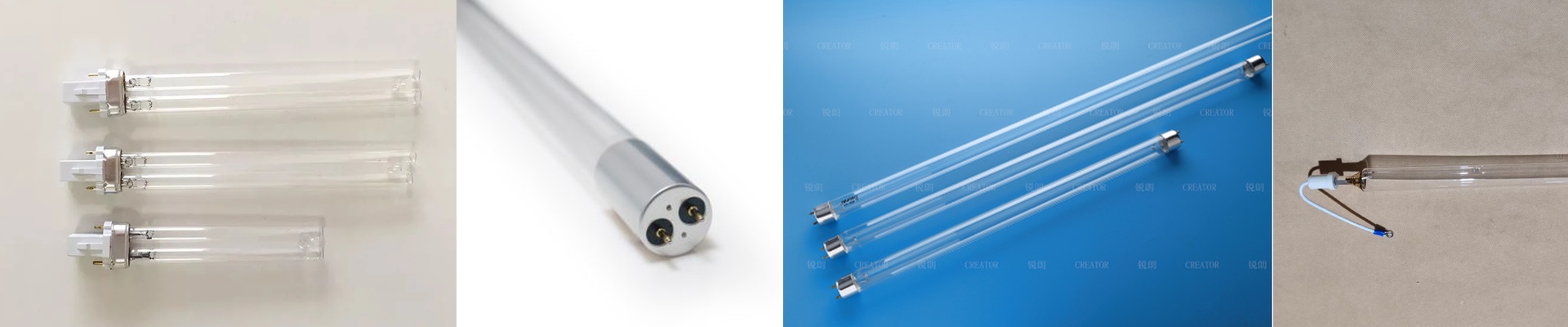
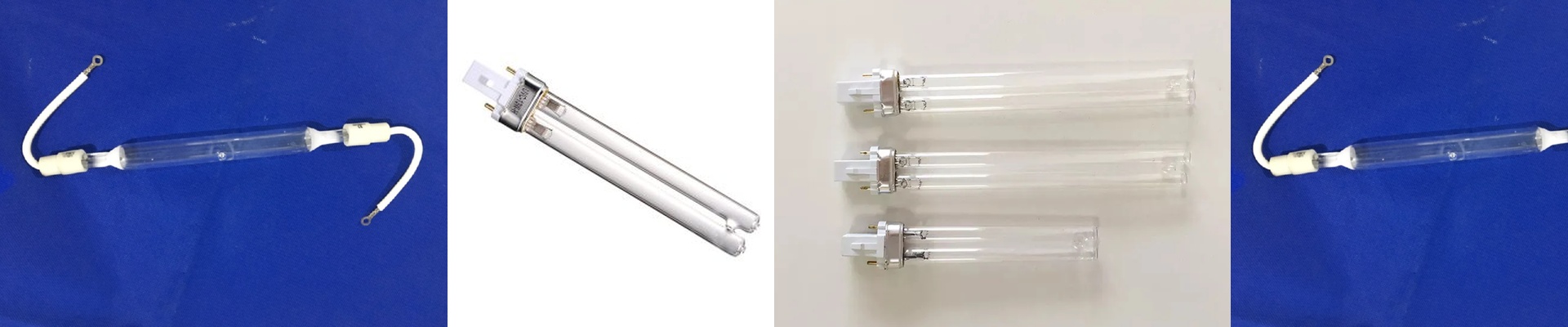
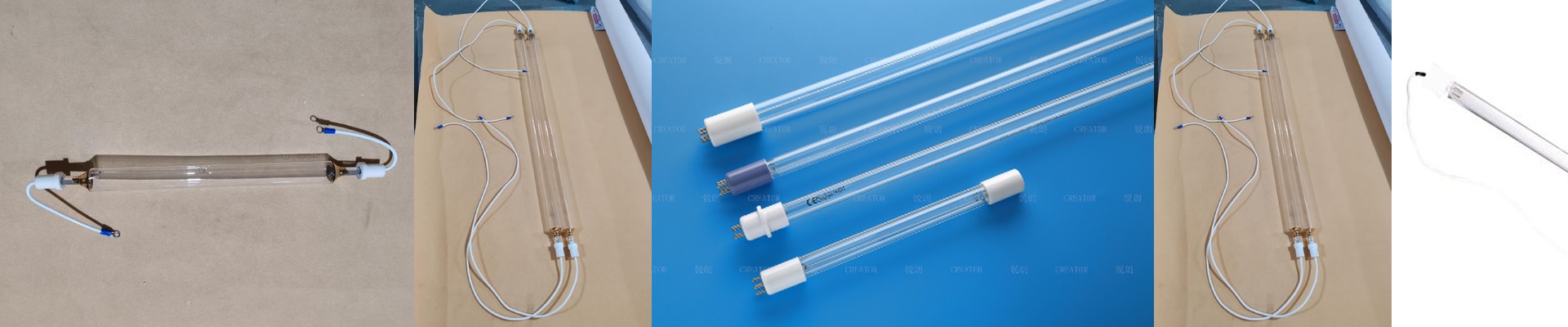
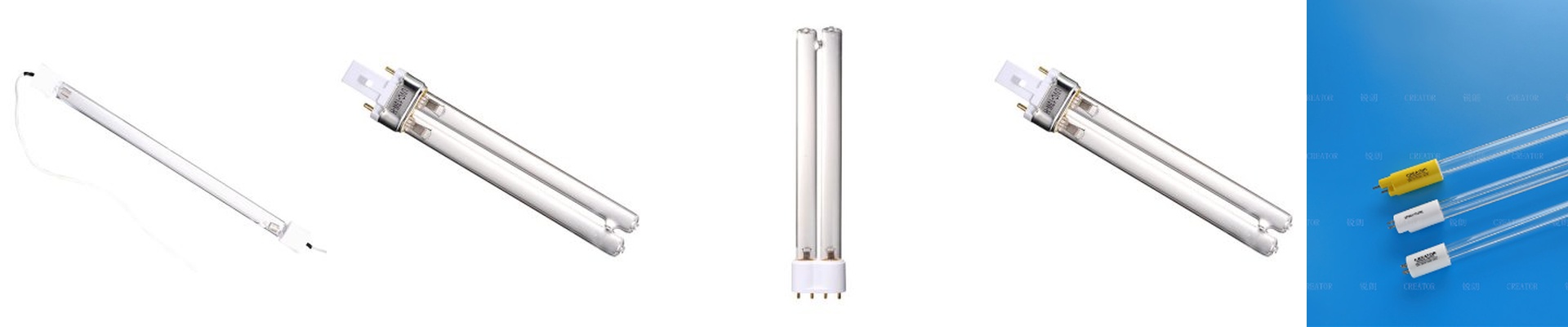
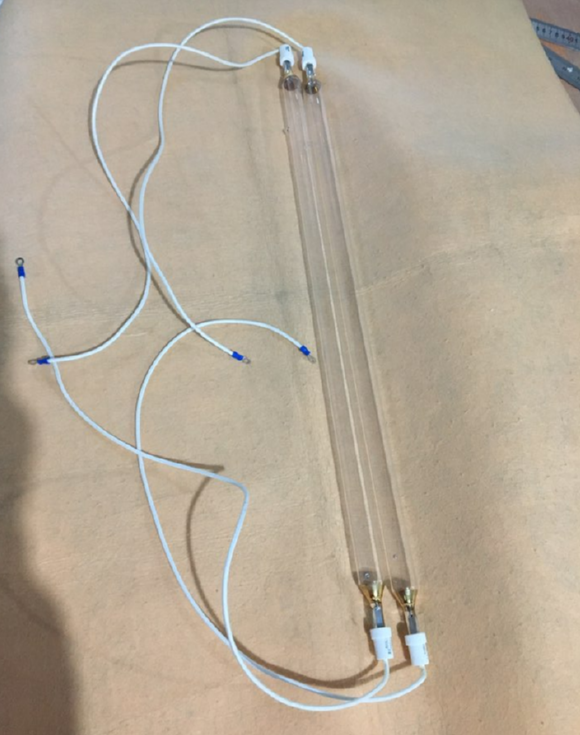
Stop Choosing Between Speed and Quality on Your Printing Line
When we showed off our custom UV lamp modules at the 2026 Printing Expo, people immediately got it. Why? Because every single person running a high-speed line has dealt with the same headache: you either speed up the belt and get ink that isn’t cured, or you slow everything down to a crawl just to make sure the product is dry. It’s a frustrating trade-off. Here’s the thing—off-the-shelf lamps are usually a gamble. You buy one, plug it in, and just hope it works with your specific ink and conveyor speed. But hope isn’t a great business strategy. Keeping it Cool Getting the right amount of energy across the entire web is the goal. We play around with the wattage and the gap between the LEDs and your material until the dose is exactly where it needs to be. But there’s a catch. High-power LEDs get hot. Like, really hot. If that heat stays trapped at the diode, your output tanks and the lamp dies early. To stop that, we use massive aluminum heat sinks and forced-air cooling to keep things stable. Just a heads-up: make sure your cabinet ventilation can handle the extra heat we’re pushing out, or you’re just moving the problem elsewhere. Actually Fitting Into Your Machine We’ve all been there. You order a “drop-in” replacement, it arrives, and it doesn’t actually fit. It’s an inch too wide or the connectors are all wrong. We don’t do that. We build the footprint and the connectors to match your existing PLC and power rails. If you’ve got a tiny gap in your machine or a high-vibration environment that shakes everything to pieces, we’ll machine the housing to fit your specific space. No hacking it together with duct tape and prayers. The Bottom Line In the real world, “tack-free” is the only metric that matters. The ink needs to be dry the second it hits the rollers, or you’re looking at smudges and wasted material. It comes down to simple physics: we hit the photoinitiators in your ink with the exact wavelength they need. More of the right photons equals faster production. Just keep an eye on your materials. If we crank the intensity up to hit those top speeds, some thinner substrates might start to warp. It’s a balancing act, but it’s one we can solve together.