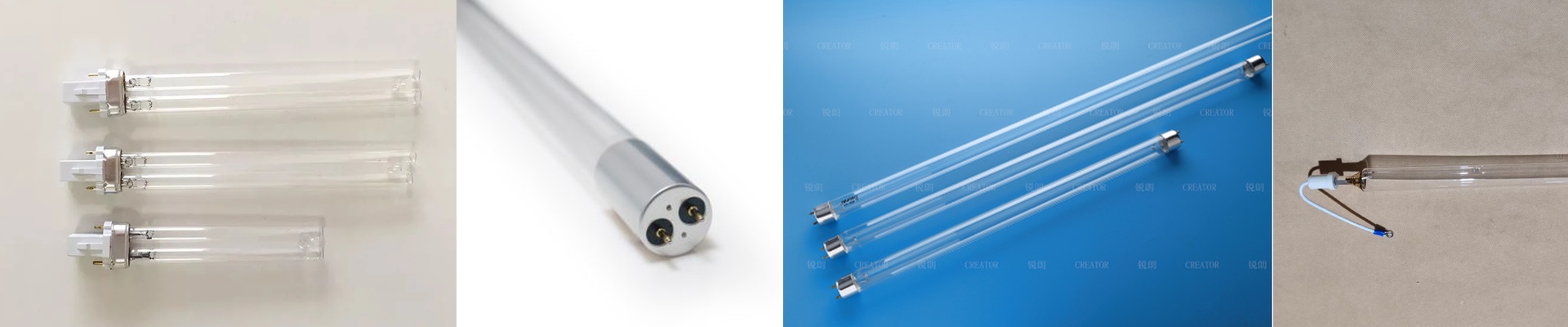
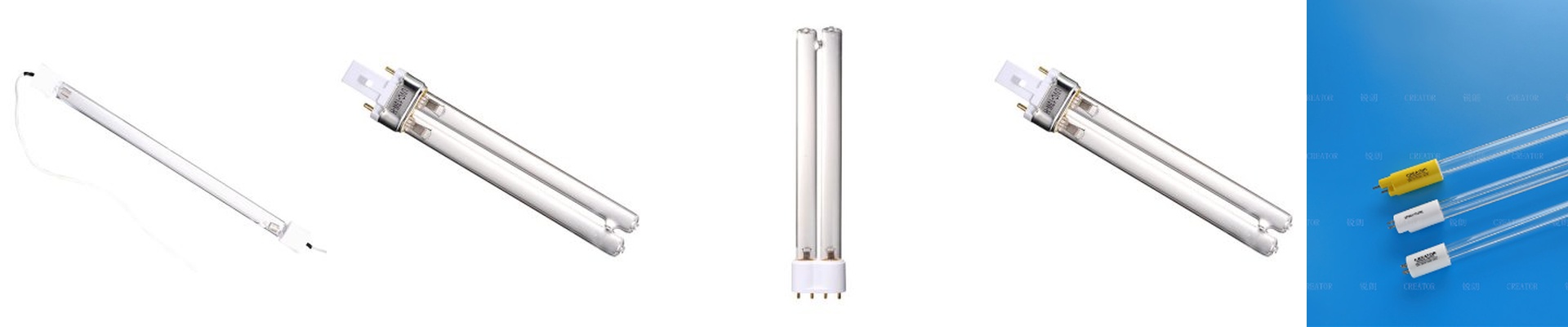
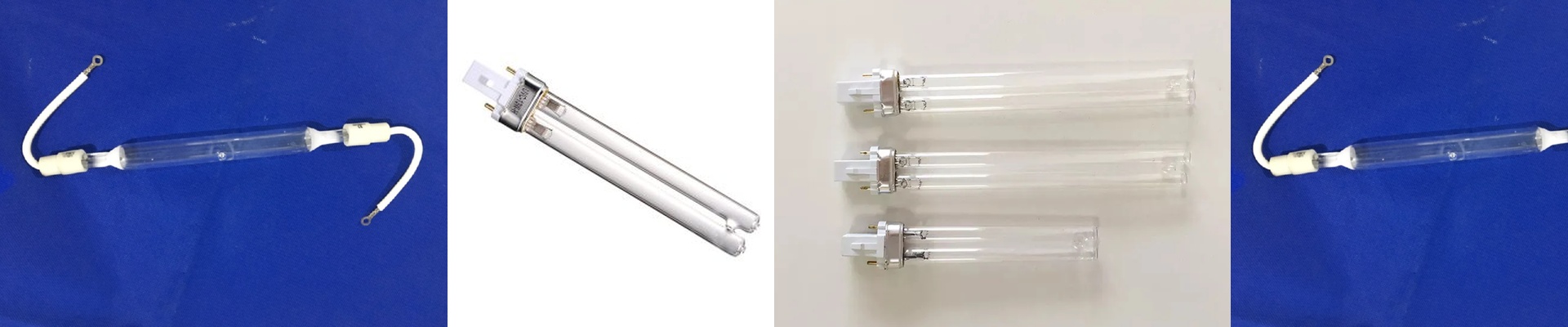
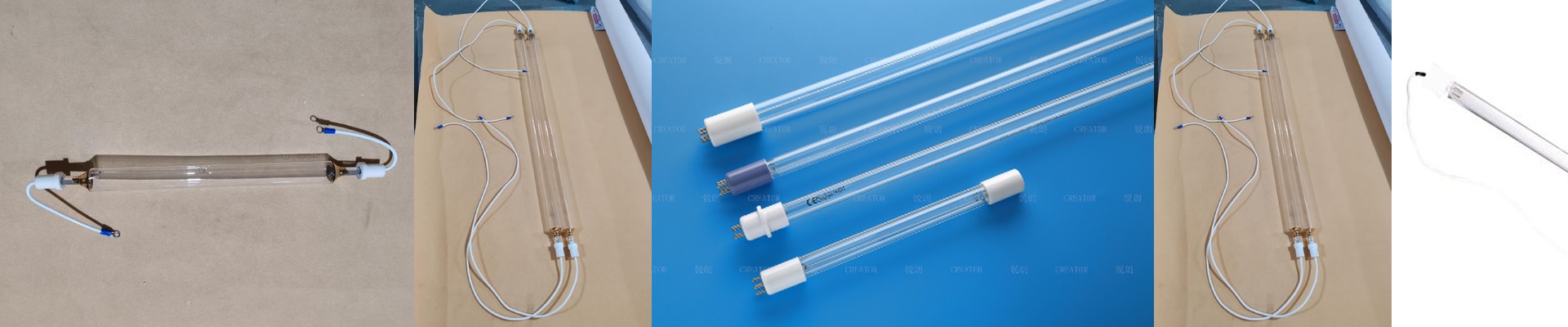
Stop Guessing With Your UV Curing
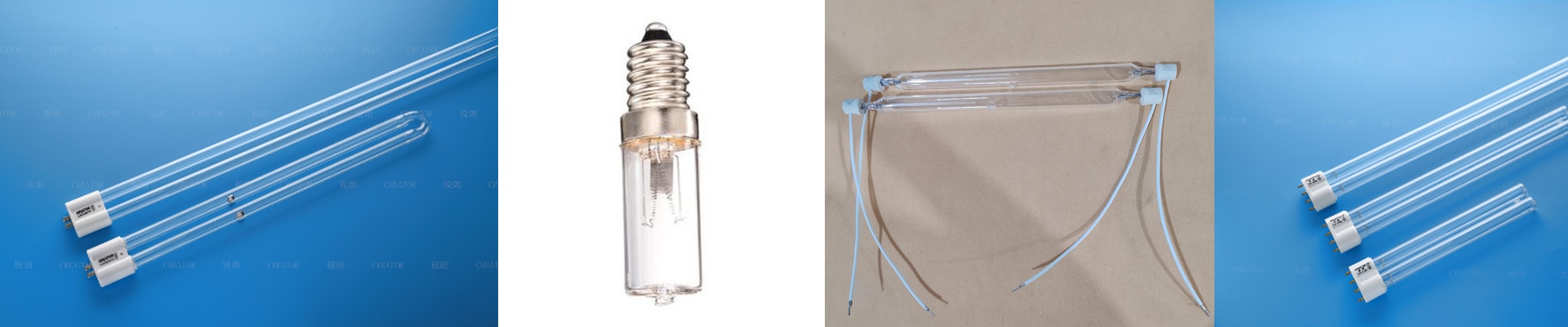
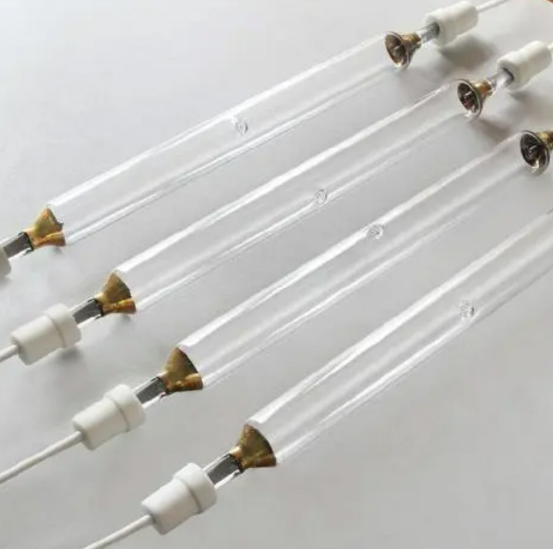
For a long time, UV curing lamps have been a “set it and forget it” kind of deal. You wire them in, dial in the power, and then just… wait for the bulbs to die. It’s a blind way to run a line. We decided that wasn’t good enough. So, we started building energy monitoring right into the lamp housing. Now, instead of guessing, you actually have eyes on what’s happening. The nitty-gritty on the hardware We’ve tucked current transducers and voltage sensors directly into the power supply. This lets us track the actual wattage being pulled compared to what the spec sheet says. Look, this isn’t about having a fancy dashboard to show off. It’s about survival. When a lamp’s power draw drifts by 5% or 10%, you know exactly when to swap it out. You catch a failing ballast before the whole line grinds to a halt. Getting the data where it needs to go To make this work, we use Modbus TCP or MQTT to push the data to your PLC or cloud gateway. It’s a tiny footprint. A few sensors and a comms module, and suddenly you can watch twenty different curing zones from one screen. No more walking the floor just to find out which specific lamp is acting up. The honest trade-offs Now, it’s not all sunshine. Adding more gear means the initial cost goes up, and you’re adding another link to the electrical chain that could potentially break. Plus, UV processes are brutal. Between the heat and the ozone, electronics want to die. If your cooling fans quit, these sensors are the first things to fry. That’s why we use heat-resistant cabling and isolated housings. You have to protect the brains of the operation, or the whole thing is pointless. Why this actually matters The best part? No more manual hourly checks. You get a hard number on exactly how much energy each part is using. If you realize you’re over-curing certain sections, you can just trim the power. That stops your substrates from overheating and makes your lamps last a whole lot longer. It just makes the whole day run smoother.