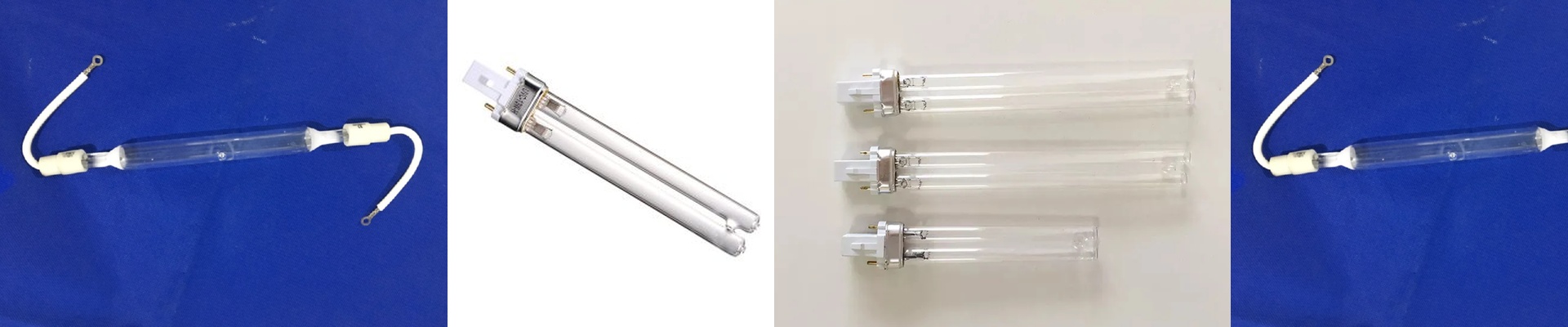
Stop Guessing With Your UV Curing
Let’s be honest: most UV lamps are pretty “dumb.” You turn them on, you hope for the best, and you don’t really think about them again until a bulb pops or—even worse—you find a pile of sticky, uncured parts at the end of the line. That’s a headache nobody needs. So, we’re changing how this works. Instead of just slapping lamps in a row, we’re building remote energy monitoring right into the modular setup. Now, you can actually see the power draw and spectral drop-off in real time.
Why the data actually matters
The beauty of a modular system is that you can just keep adding to your curing tunnel as your line speed picks up. But when you add monitoring to that, you get a superpower: you can see exactly how many watts every single module is pulling. Imagine you’ve got ten lamps running. If lamp number four drops by 15%, you’ll know immediately. You can fix itnow, rather than waiting for the quality control team to tell you something is wrong. It takes the guesswork out of your maintenance. No more “I think these are due for a change.” You just know.
The nitty-gritty (and the trade-offs)
To make this happen, we have to change the wiring. We’re talking current transducers and digital controllers that send everything back to a central PLC or a cloud dashboard. It gives you a live look at your energy footprint. Now, I’ll be straight with you—there’s a catch. Adding all this hardware bumps up the initial cost. Plus, more parts means more things that could break. You also have to be careful with the signal paths; those high-voltage ballasts can create a lot of electrical noise (EMI) that messes with the data. It takes a bit more effort to get it right.
What this looks like on the shop floor
The best part? You can stop manually tracking lamp hours. We set these systems to ping you the second a module hits its limit. You only swap bulbs when they’re actually worn out. No more tossing a perfectly good lamp just because a calendar told you to. For the engineers, it’s a huge relief. Less downtime, more accurate power specs, and a balanced load across the whole plant. It turns a basic piece of equipment into something you can actually manage.