From the Background to the Front Line: How We Build Our UV Lamps
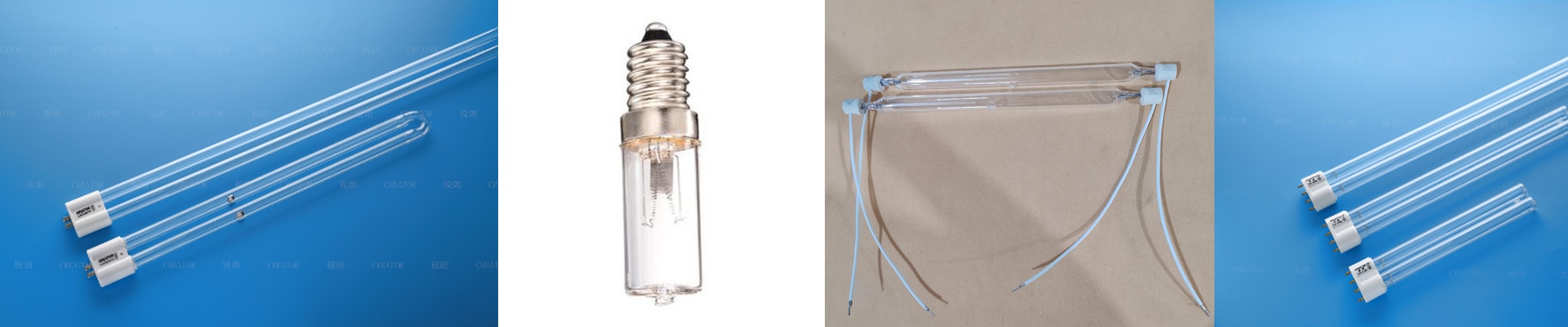
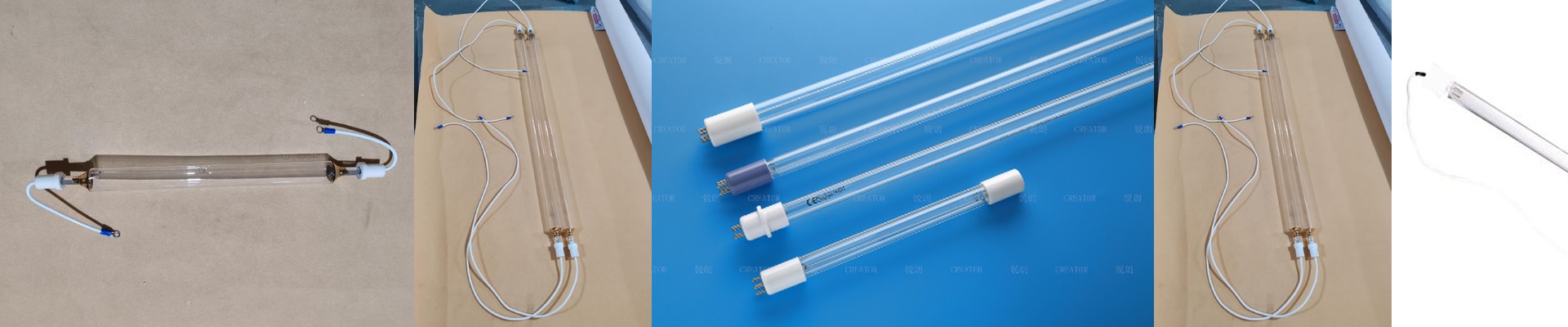
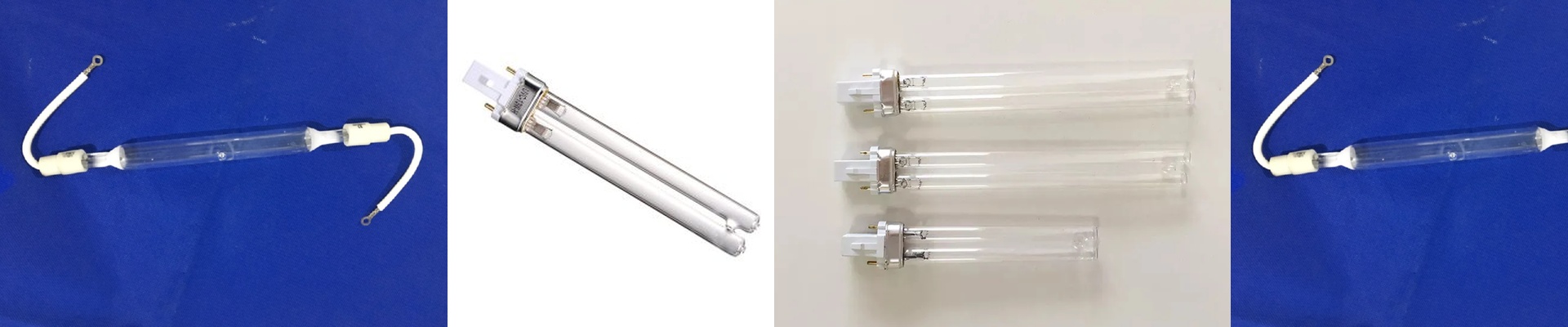
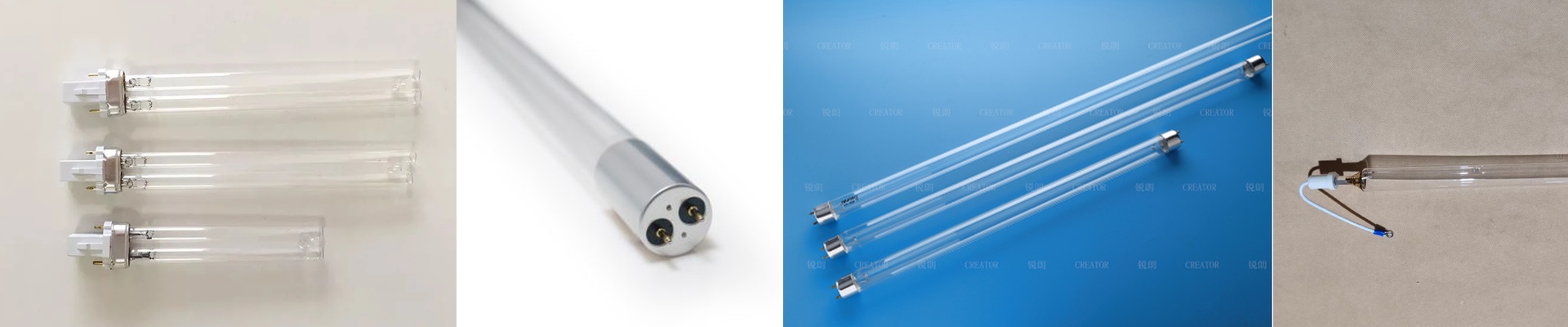
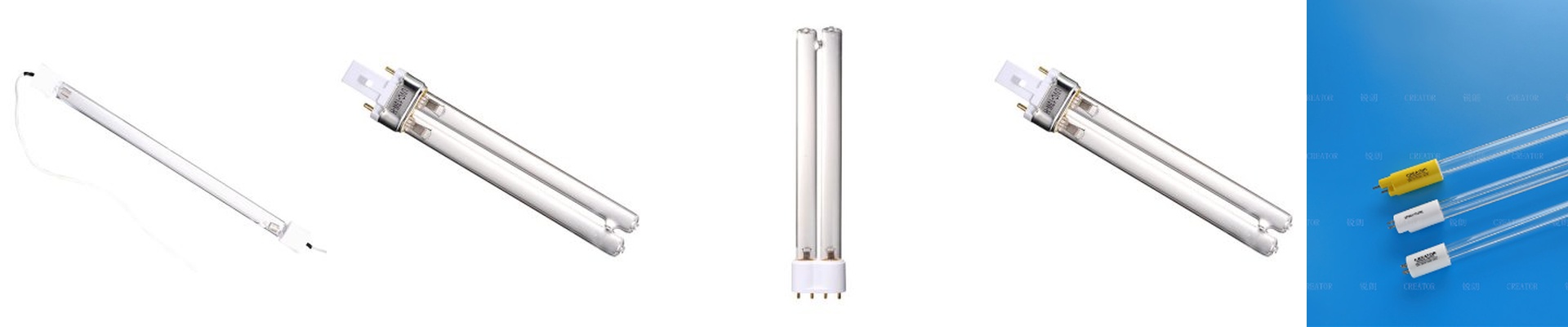
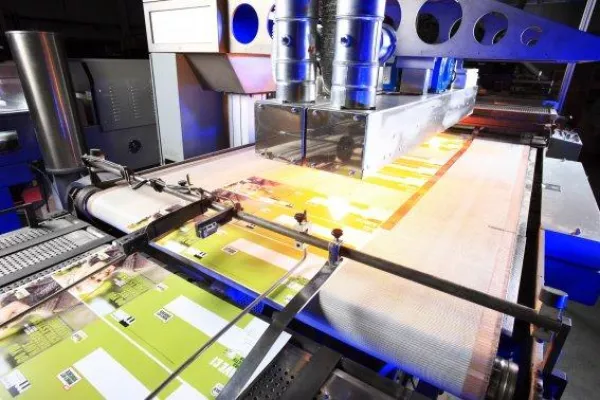
For 15 years, we were the “secret” behind some of the biggest international brands. We built the UV lamps that filled their catalogs, but we did it from the shadows. Now, we’re stepping out. By 2026, we’ll be a global brand in our own right. But that’s not just about slapping a new logo on a box. It’s about proving that our tech can handle the toughest curing and sterilization jobs on the planet. The struggle with stability Here is the thing: most UV lamps fail because they aren’t consistent. It sounds minor, but if an electrode is off by even a fraction of a millimeter, the arc doesn’t distribute evenly. That’s how you end up with “dark spots” on your curing line or a tube that burns out way too early. To stop that, we obsess over the electrode positioning and the purity of the quartz. We use materials that can take high heat without getting cloudy, so your UV-C wavelength stays rock solid for thousands of hours. Choosing the right materials We use high-purity synthetic quartz. Why? Because it lets the most light through. Sure, you can find cheaper borosilicate options out there. But those block the shortwave UV you need for fast polymerization. You’ll get better penetration with our quartz, but there’s a catch: it’s fragile. These tubes can’t take a beating. You’ll need precise mounting brackets to keep them from stressing. We’ve also spent a lot of time perfecting the end-cap seals. If gas leaks out, the lamp dies—especially in high-vacuum or high-pressure setups. We’ve pretty much solved that. Getting it onto your shop floor We didn’t want you to have to rip out your entire setup just to use our lamps. So, we designed them as simple drop-in replacements for the big-name brands. The footprints and electrical pins match exactly. No rewiring your ballast. No messing with your reflectors. You just swap the tube and get back to work. One quick tip: if you’re cranking up the wattage to speed up your line, check your cooling fans. Quartz hates overheating. If it gets too hot, the lamp’s life will drop, no matter who manufactured it.