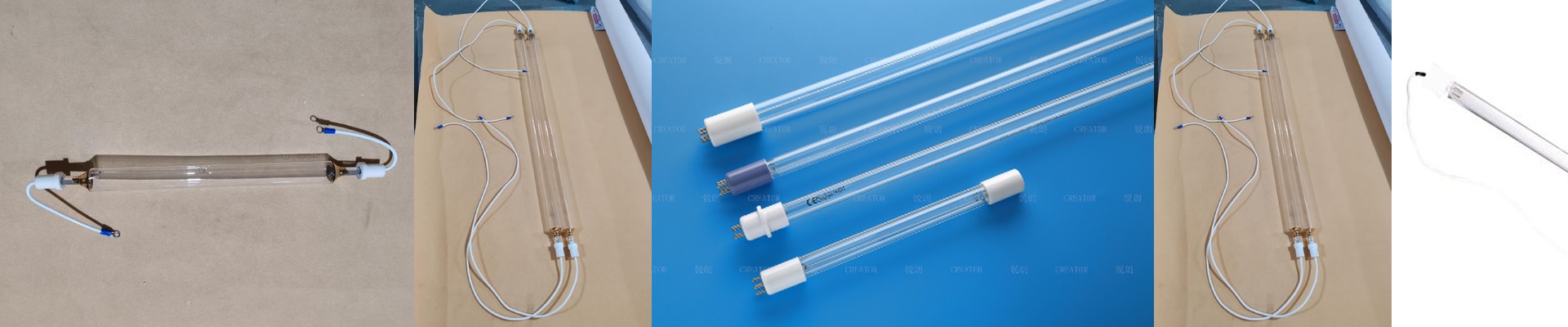
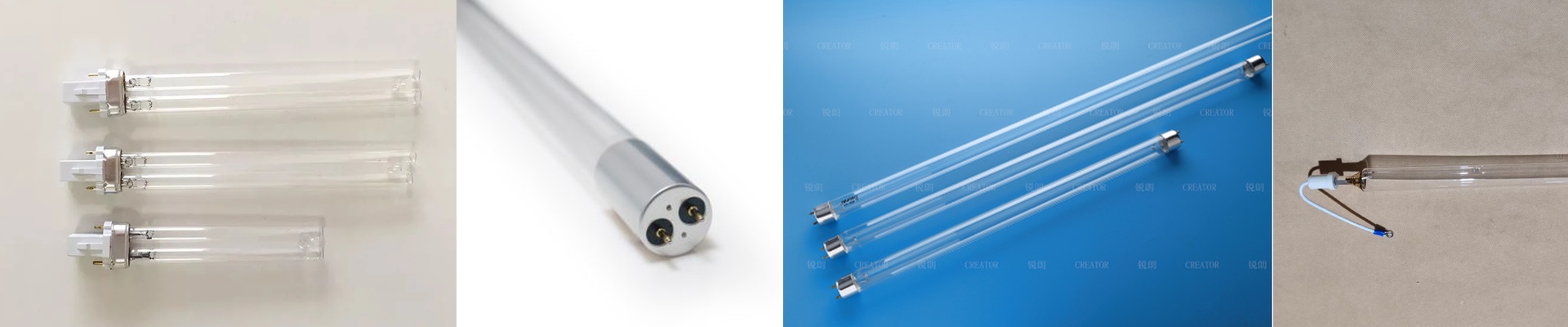
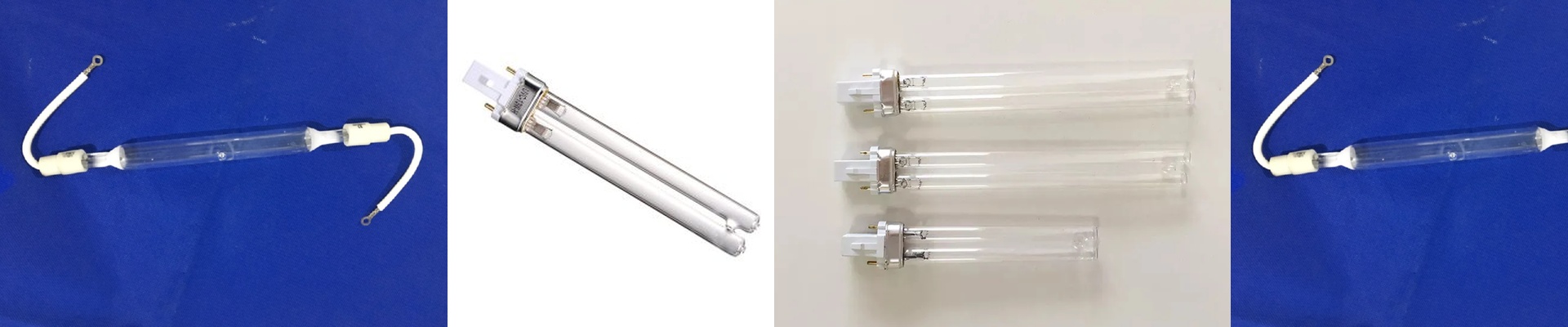
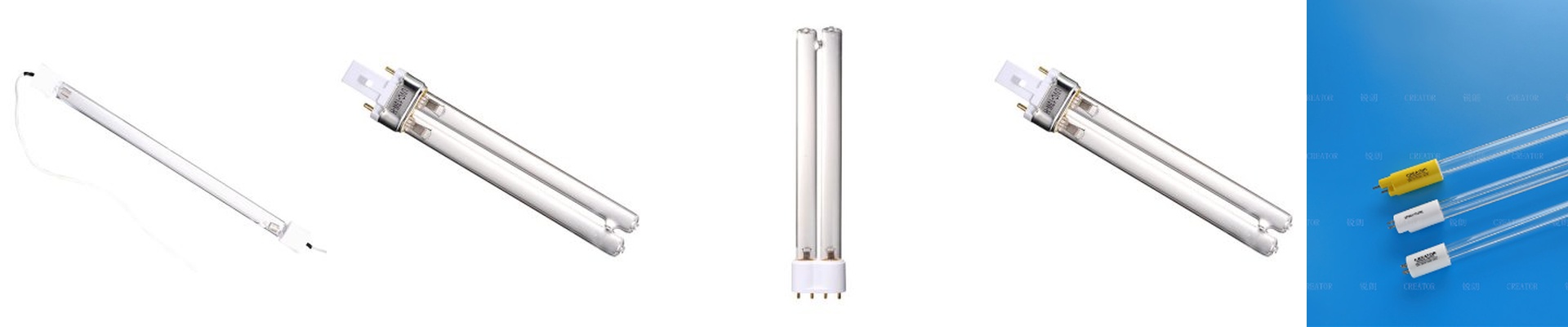
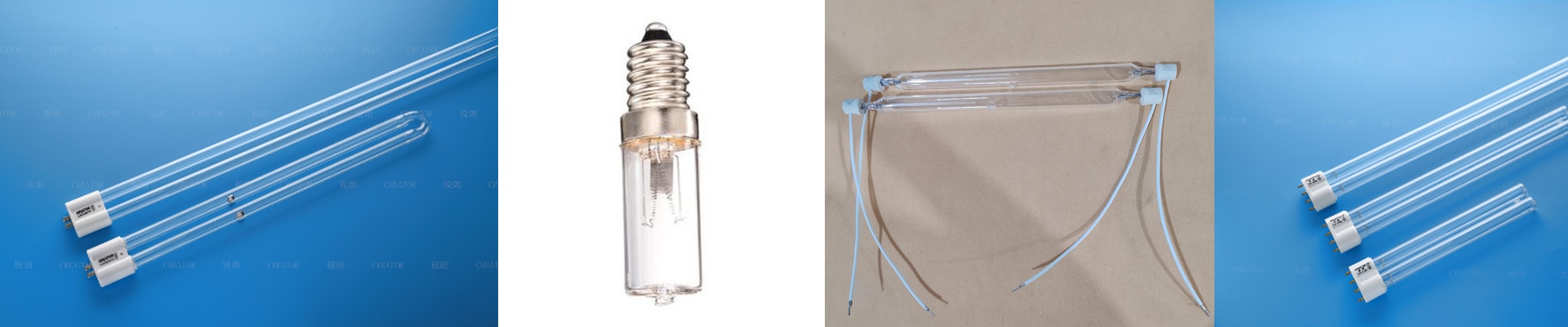
Step onto a food line at midnight. The plant is down for sanitation, and every minute is bleeding into overtime. Wipes and chemicals drag the process out, and you’re left worrying about residues where they absolutely shouldn’t be. You need a kill method that’s fast, thorough, and clean—without creating another contamination problem. That’s where ozone-free UV germicidal lamps earn their keep. In a food plant, “clean to the eye” doesn’t mean sterile. Biofilms hide in conveyor crevices, slicers, and packaging zones. You need something that reaches where wipes can’t, and delivers repeatable microbial kill without changing the product or the environment. Ozone-free UVC does exactly that—99.9% broad-spectrum reduction across bacteria, molds, and viruses, with no chemical residue and no unwanted ozone.
What actually matters technically
UV germicidal performance isn’t about “brightness.” It’s wavelength, irradiance, delivered dose, and stability over time.
- **Wavelength and spectral control.**The peak germicidal action sits around 254 nm, where microbial DNA and RNA absorb strongest and replication gets disrupted. Ozone-free lamps use fused quartz envelopes with a specific cutoff that suppresses the 185 nm emission that creates ozone. The output stays concentrated in the germicidal band, so you get microbial inactivation without generating airborne oxidants.
- **Power density and irradiance.**Output is quantified as irradiance, measured in mW/cm² at a defined working distance. In industrial geometry—surfaces and air—you need enough irradiance at the target plane to hit the required UV dose. UV dose (D) is irradiance (E) multiplied by exposure time (t): D = E × t, typically expressed in mJ/cm². Many organisms need tens of mJ/cm² for 99.9% reduction; resistant spores and biofilms often demand higher. Match lamp power, reflector geometry, and line speed so the dose lands where it should.
- **Dose repeatability and line integration.**On a moving line, exposure time is set by conveyor speed. You have to engineer irradiance to deliver the required dose at that speed. That means picking lamp power density and optical design so the minimum dose across the full belt width still meets your kill target. Reflectors built from high-purity aluminum or enhanced UV-reflective coatings keep the beam collimated and minimize loss. Uniformity across the belt is what separates passing audits from rework.
- **Stability and lamp life.**Mercury vapor germicidal lamps show gradual output decay over life, driven by electrode wear and amalgam stability. High-quality ozone-free lamps hold output within a tight degradation band. For example, we specify maintained output to at least 80% of initial after 8,000–9,000 hours under controlled thermal conditions. That predictability is exactly what you need when you’re scheduling maintenance windows.
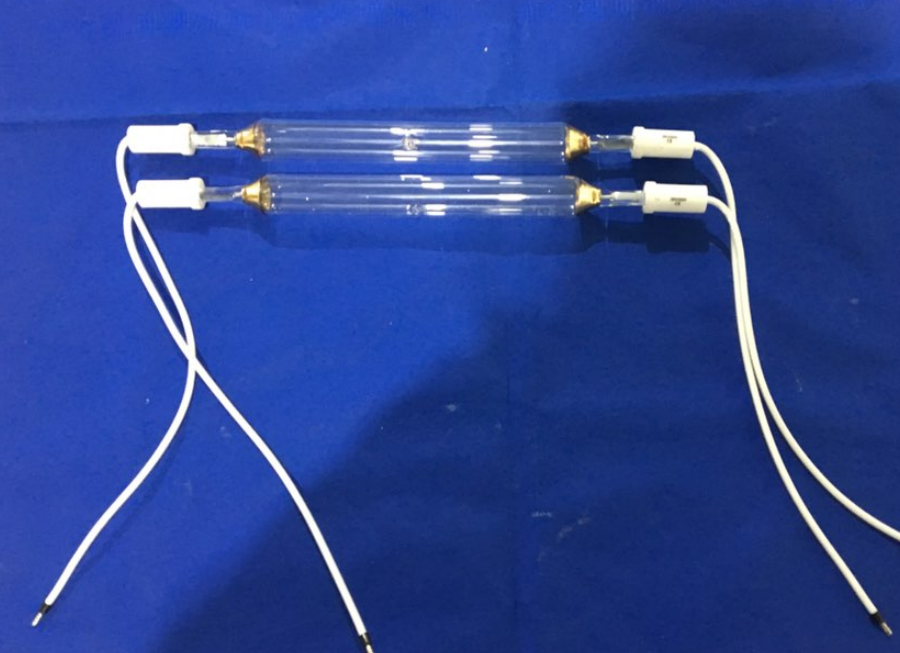
- **Thermal and electrical parameters.**Operating current and voltage must match the ballast and fixture. Many systems run on medium-pressure mercury vapor technology, with stable arc length and consistent spectral output. Power density is chosen for the duty cycle—continuous operation versus intermittent sanitation—so thermal management keeps the lamp envelope temperature inside the design window.
- **Ozone-free construction.**The envelope material and coatings are selected to block the short-wave UV that splits O₂ into ozone. The result is clean UVC output suitable for occupied-area air disinfection and surface treatment, without needing post-ventilation or ozone scrubbing.
Why it fits food processing
Food work demands high kill rates, repeatable audits, and minimal downtime. Ozone-free UVC hits each constraint head-on.
- **99.9% broad-spectrum reduction.**The 254 nm output is strongly absorbed by microbial nucleic acids, causing photodimerization that shuts down replication. With adequate dose, you get log reductions across Gram-positive and Gram-negative bacteria, molds, yeasts, and enveloped viruses. The same physics applies to surfaces, air streams, and water where the lamps are integrated.
- **Penetration where it counts.**UVC reaches shadowed areas better than contact chemistries—when the optical path is designed right. Space lamps properly, use reflectors, and you illuminate conveyor undersides, belt seams, and equipment crevices. That coverage reduces the hidden biofilm reservoirs that drive spoilage and recalls.
- **Speed without residue.**Deliver the UV dose in seconds and you’re left with no chemical film. No rinsing, no residual taste or odor transfer on food contact surfaces, and no chemical carryover into packaging lines. That streamlines validation and shortens sanitation cycles.
- **Energy and maintenance economics.**Compared to thermal sanitation, UVC draws power only during the exposure window and doesn’t require heating large volumes of air or water. Lamp replacement is predictable, and ballasts are matched to the load. In continuous operations, the per-unit cost of disinfection drops once you remove chemical purchase, storage, and disposal.
- **Food safety and compliance.**UV systems are widely used in food safety plans for surface and air disinfection. Ozone-free operation removes another hazard from the sanitation toolkit, simplifying worker exposure controls and post-treatment ventilation. Documented irradiance levels and exposure times support HACCP documentation and third-party audits.
The practical constraints you can’t ignore
UV germicidal systems work, but they’re not plug-and-play unless you plan the details. Three things matter most in the real world.
- **Line-of-sight and shadowing.**UVC travels in straight lines. Any shadow means reduced dose. Map conveyor geometry, product height, and equipment layout so every surface gets the required dose. Use multiple lamps, angled reflectors, and controlled distances to close the shadows.
- **Surface condition and dose margin.**Organic residues, grease, and dust absorb UVC and shield microbes. Clean surfaces before UV exposure, or build in extra dose margin to account for soiling. In high-soil zones, UV is best as a terminal step after mechanical cleaning.
- **Lamp temperature and ballast matching.**Output stays stable only when the lamp runs within its rated envelope temperature range. Ballasts must match the lamp’s electrical characteristics. Mismatched ballasts lead to unstable ignition, reduced output, and shortened lamp life. Specify fixtures designed for the lamp—don’t retrofit from another application and expect the same performance. On the floor, the scoreboard is uptime, audit readiness, and spoilage rates. Ozone-free UV germicidal lamps give you predictable, dose-controlled microbial reduction—no chemicals, no ozone, no guesswork. If you’re specifying a sanitation system, start by defining your required dose, map your shadows, and match lamp output to line speed. The rest is engineering.