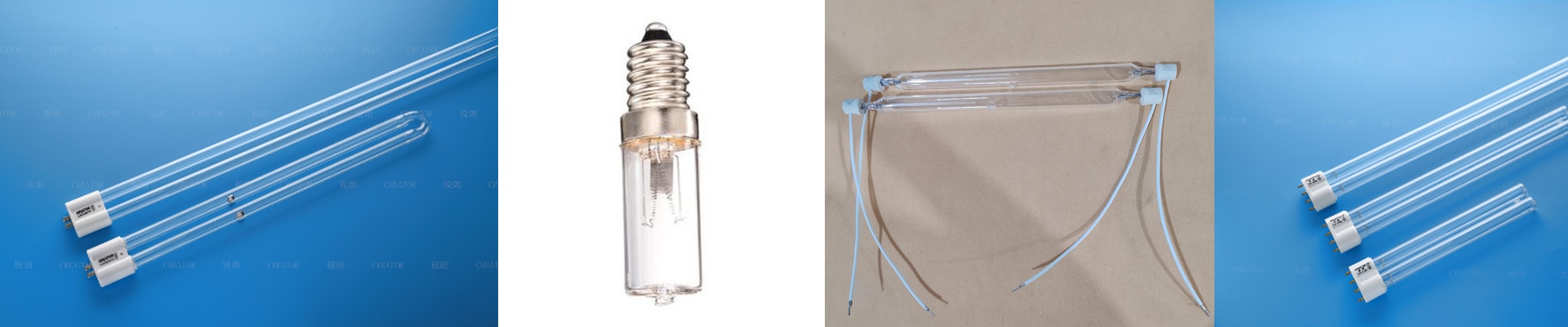
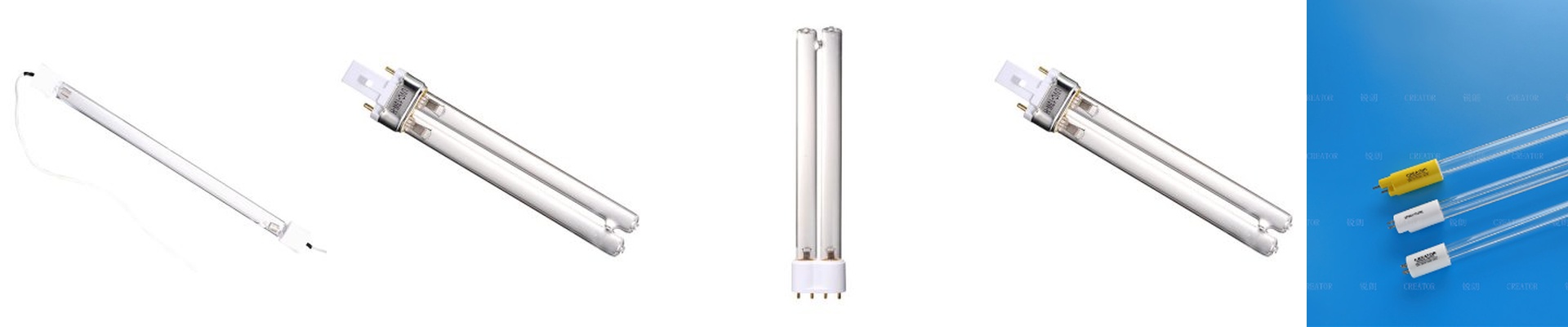
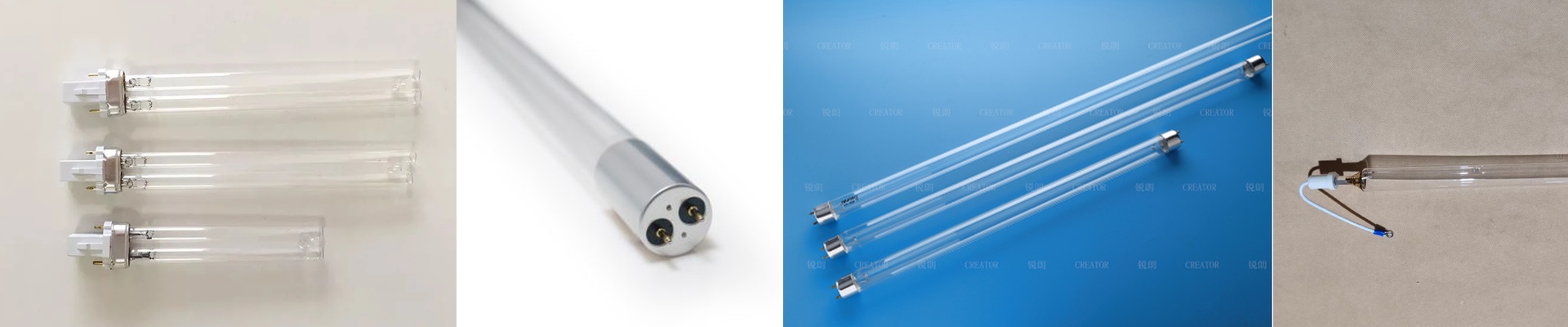
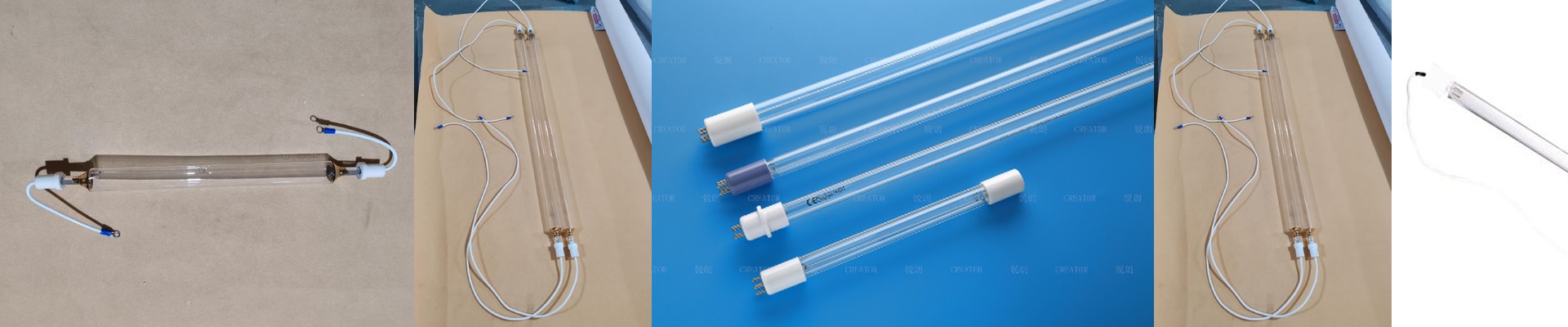
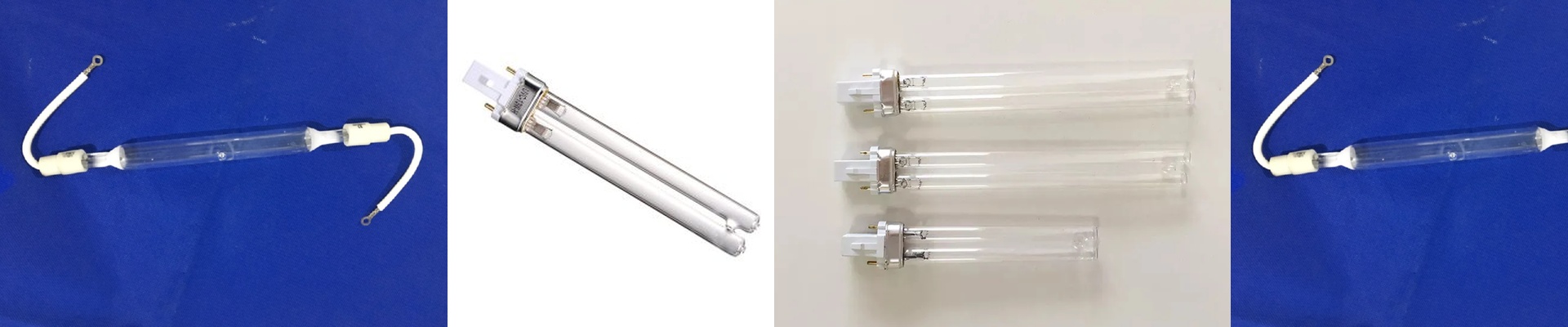
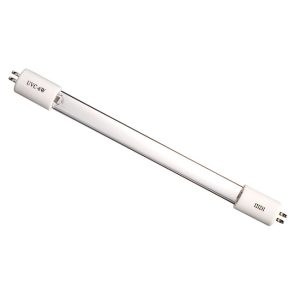
On the floor, your brand only stands for as much as the lamp inside the machine. If you’re spec’ing an OEM UV lamp line, it’s not just about picking a bulb—it’s about nailing the specs that make performance repeatable for your customers, day after day. What matters, technically UV germicidal action rides on the 254nm mercury line. Output stability is the one thing you can’t negotiate. Spec lamps that hold a stable spectral output over life, keeping more than 90% of initial irradiance at the target distance after 9,000 hours. At 1 meter, peak irradiance should top 150 μW/cm², and the arc length has to match your reflector geometry. Check quartz purity so you don’t get solarization, and call out ozone-free operation with the right doping. Wattage, voltage, base type, and connector interface have to line up cleanly with your ballast and thermal envelope. Why it works for OEM branding With an OEM approach, you own the spec sheet and the story. We tune lamp parameters—wattage density, ignition voltage, and thermal tolerance—to your equipment’s duty cycle. That cuts field failures from mismatched lamp-ballast pairs and keeps curing energy density consistent from run to run. Fewer warranty headaches, predictable replacement intervals, and a reputation that holds up—that’s what you get. You end up with the exact lamp profile needed for stable microbial inactivation without pushing the system into overdrive. Things to know Lamp output is touchy about ambient temperature and airflow. Make sure your fixture’s operating window is verified, and keep reflector alignment tight—even a 5° misalignment drops delivered dose in a measurable way. Confirm ballast compatibility so you don’t cook a lamp prematurely with overcurrent. And UVC exposure is no joke—enclosure interlocks and proper shielding are mandatory. Plan on end-of-life sensing so your system flags output decay before it starts to hurt process results.