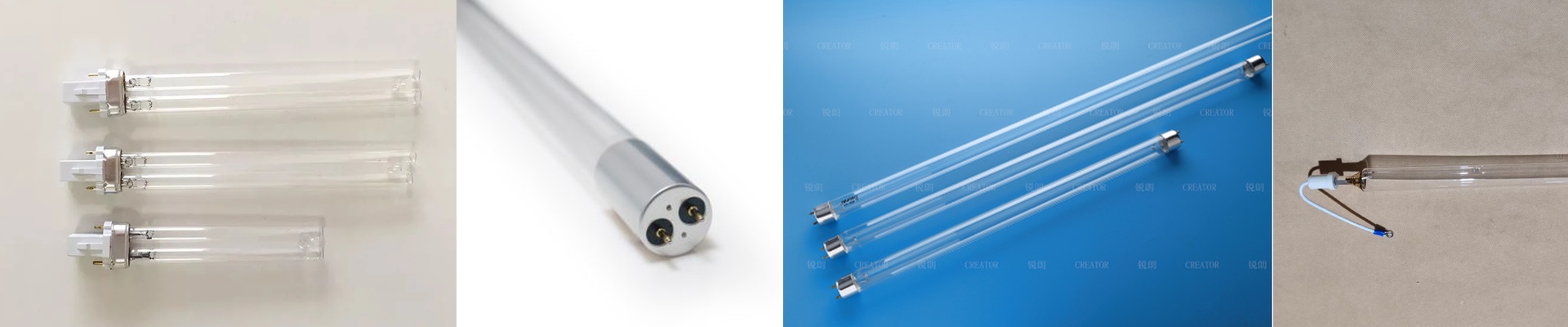
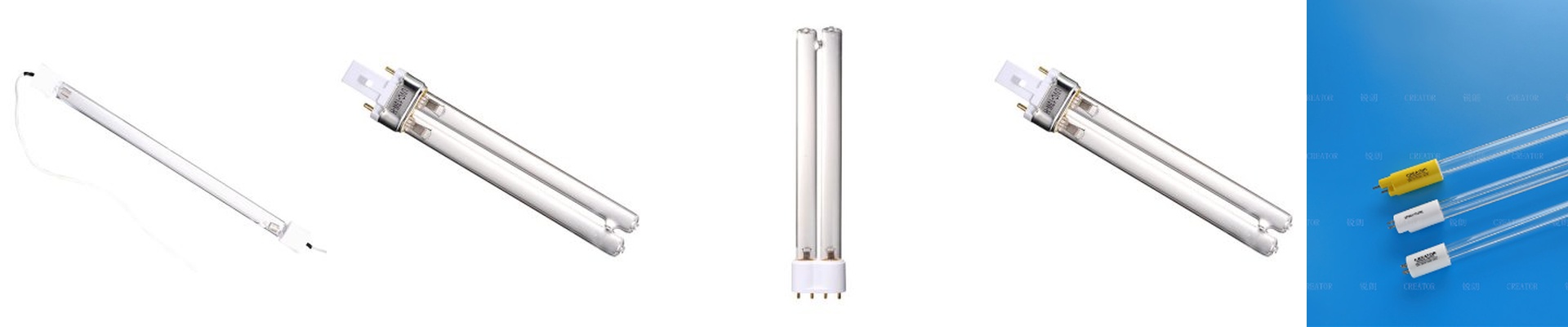
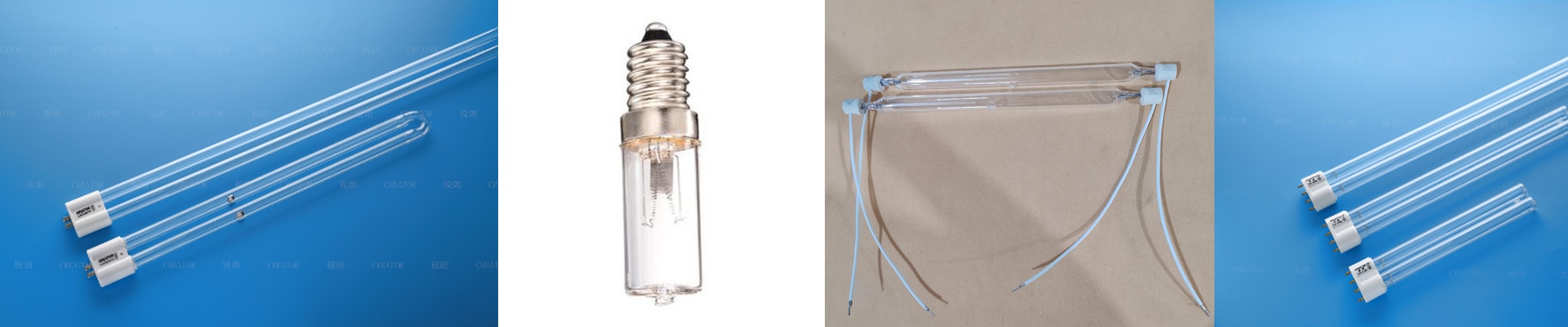
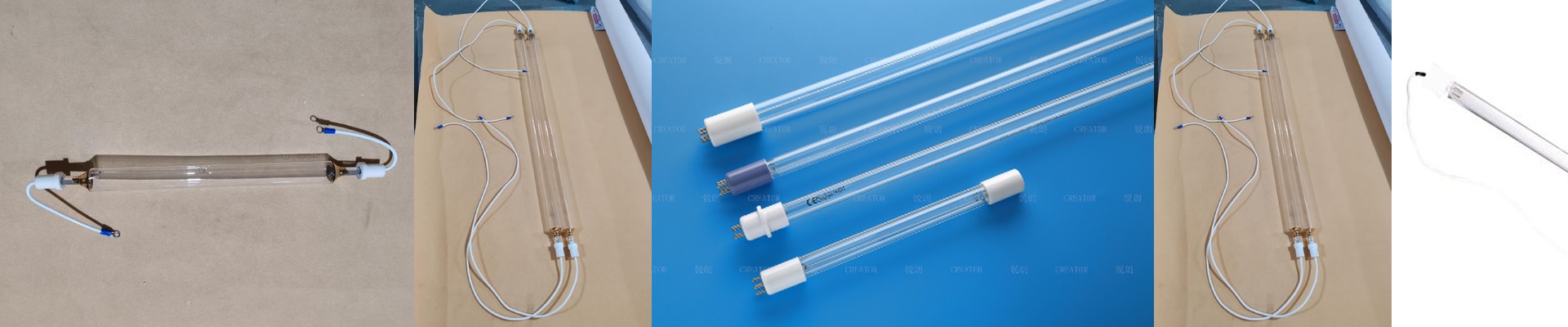
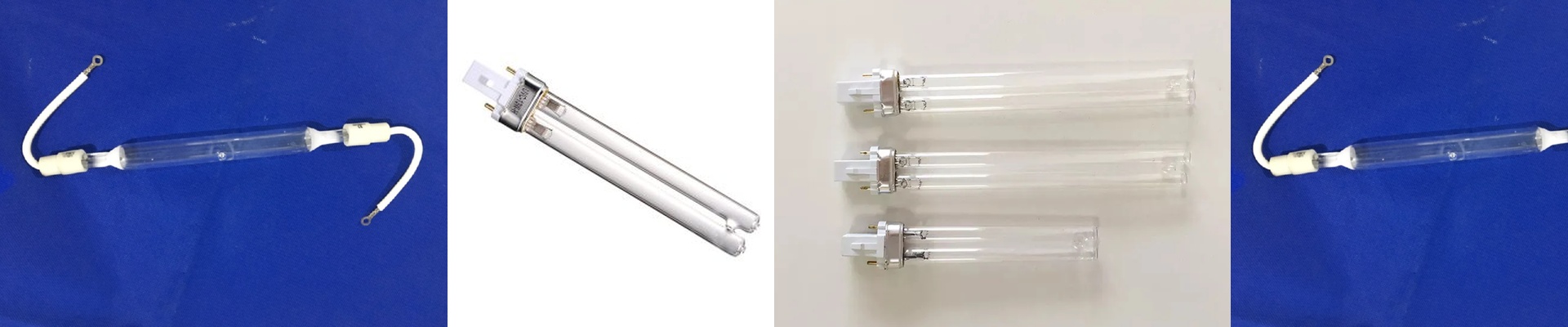
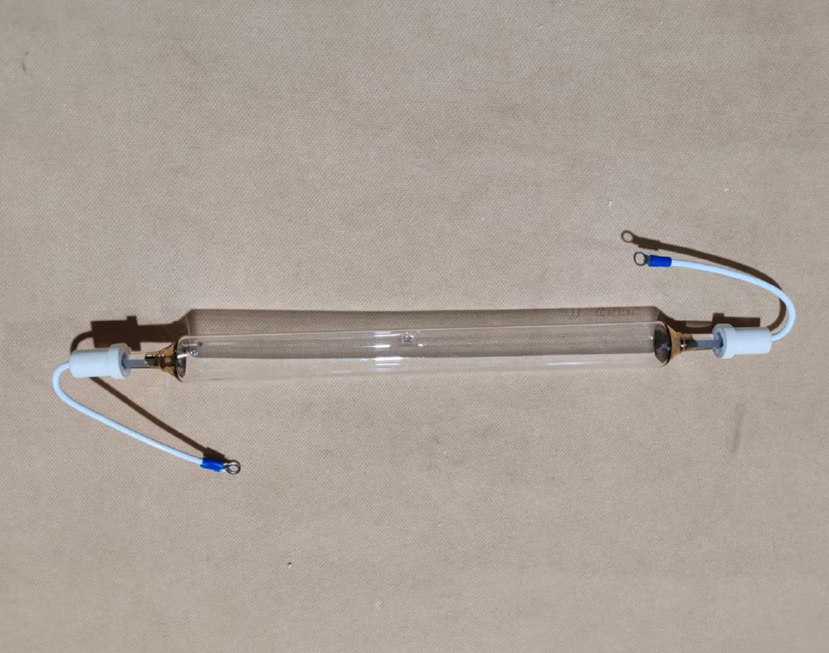
Out on the press floor, mismatched UV lamp power curves do more than waste joules. They create inconsistent cross-linking, cure windows that shift from run to run, and scrap that shows up as line stops. You don’t need another generic light source. You need a commercial UV germicidal system that behaves like a properly tuned subsystem, matched to the press. What matters, technically We set the lamp’s internal voltage to match your machine’s specific power curve. That keeps the arc stable at the intended current density and makes the spectral output repeat, job after job. Peak irradiance lands where your photoinitiator actually absorbs, and the energy density stays inside the cure plateau instead of climbing or collapsing as lamp temperature drifts. This isn’t about “more power.” It’s about aligning voltage, current, and reflector efficiency so the dose at the substrate is predictable. Why it holds up in production Electrical customization pulls the guesswork out of integrating UV into an existing press. You get repeatable curing across job changes, fewer warm-up swings, and stable output over the life cycle. That means fewer lamps on the shelf and fewer maintenance windows. The payoff is fewer rejects, tighter process control, and a line speed you can count on. What you need up front Because the voltage is tailored to the host system, commissioning starts with accurate electrical data and a clear thermal profile of the lamp chamber. The integration cycle is short once the curve is dialed in, but get the details right before first light: confirm the fixture’s connector type, cooling flow, and operating position.