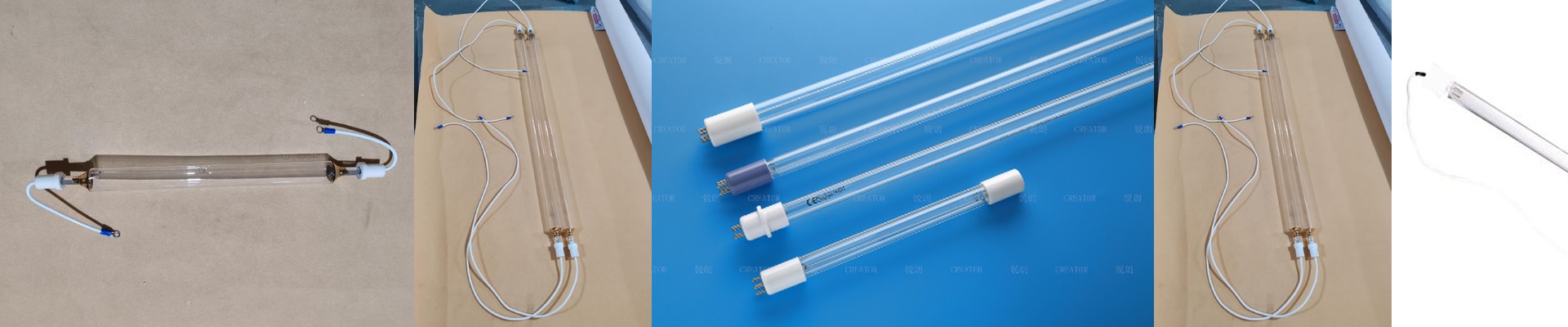
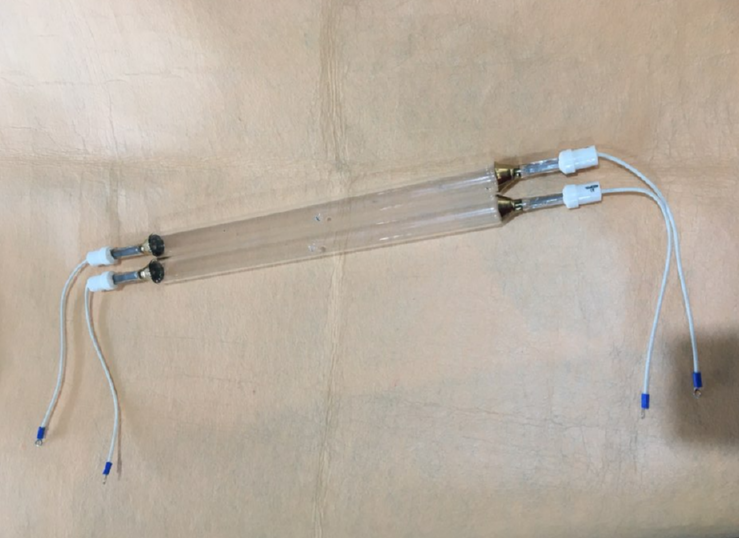
Why we use Gallium Iodide UV Lamps for PCBs
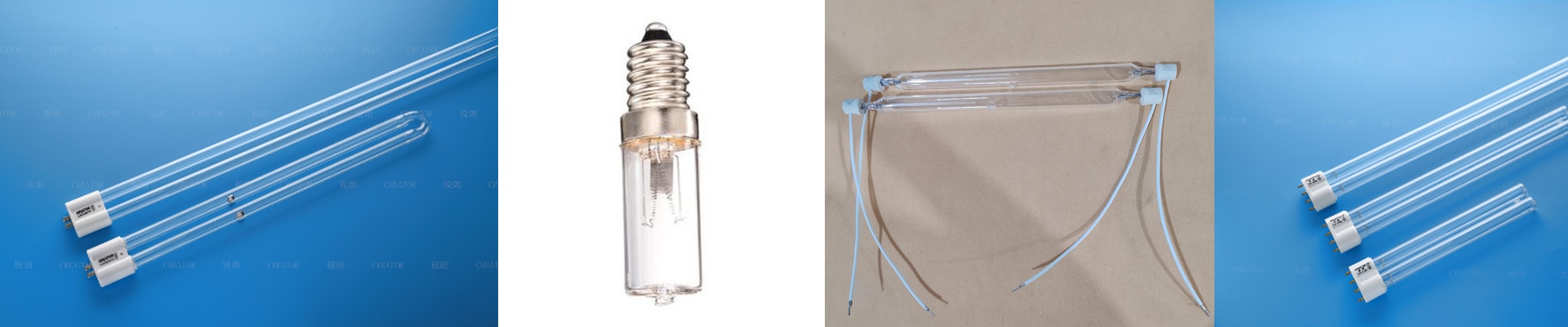
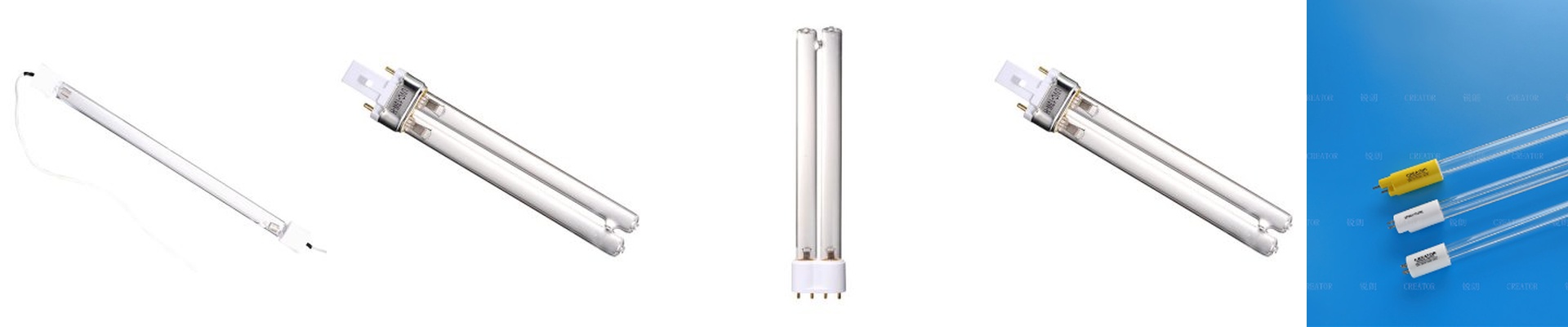
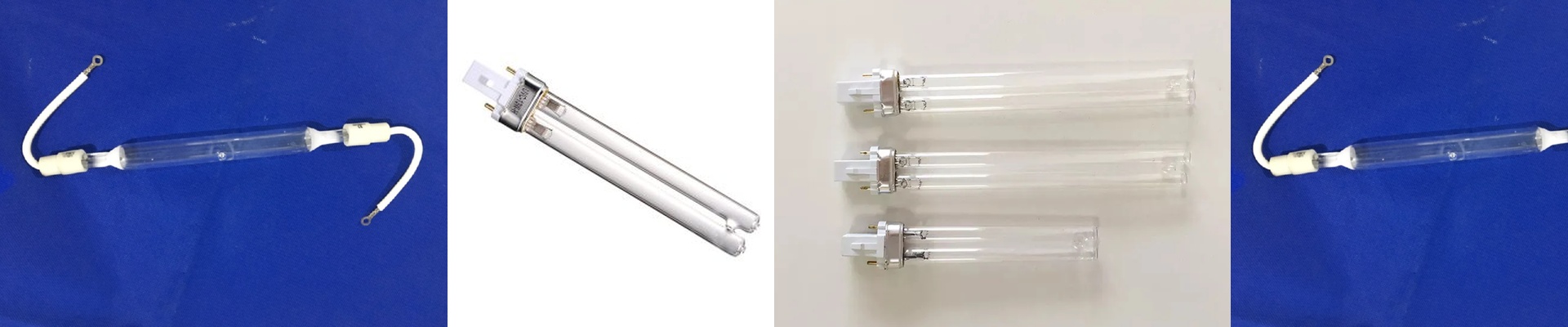
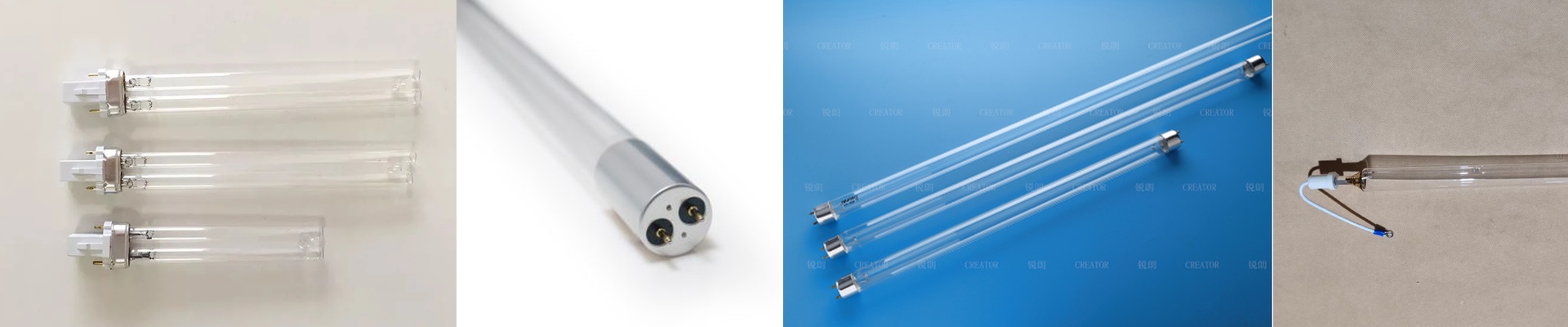
If you’ve spent any time in PCB production, you know the struggle with photoresist curing. Standard mercury lamps are fine for basic stuff, but they often miss the mark when you need real precision. That’s where Gallium Iodide (GaI) lamps come in. They hit those specific UV wavelengths needed to harden the photoresist without baking your substrate. Getting the power right Here’s the thing: GaI lamps shift the light toward the shorter UV-C and UV-B range. This is great because the light actually digs deeper into those thick photoresist layers. When we’re setting up a line, we spend a lot of time obsessing over the irradiance (the mW/cm²). Sure, cranking up the wattage makes the line move faster. But there’s a catch. Too much heat and your boards start to warp. It’s a balancing act—you have to find that sweet spot between line speed and power so you don’t ruin your materials. The nuts and bolts of installation We use a very specific grade of quartz for the lamp envelopes. Why? Because the iodide compound can be harsh on the tube walls over time. We want these to last. The good news is that these are usually drop-in replacements for your existing UV tunnels. But a quick heads-up: check your ballasts. Gallium chemistry needs a different ignition voltage than standard mercury vapor. If the ballast isn’t tuned right, you’re going to have a bad time. The trade-offs The big win here is the “sharpness” of the cure. You get way less “bleed” in your fine-pitch circuitry, which means your patterns look crisp and clean. But—and this is a big but—these lamps runhot. If your cooling fans are weak or your chilled water loop is struggling, your lamp life will tank. You’ll even notice the UV output starting to drift. Keep a close eye on your operating temps so you don’t burn out the electrodes prematurely. We’re here to help you tweak these variables. The goal is simple: making sure every single batch cures exactly the same way.