Getting Gallium Iodide Lamps Right in Your PCB Line
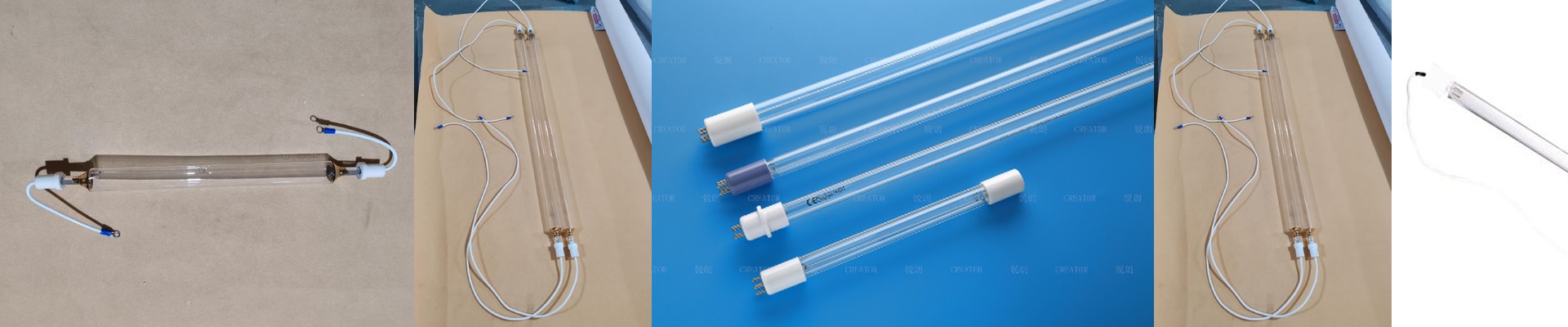
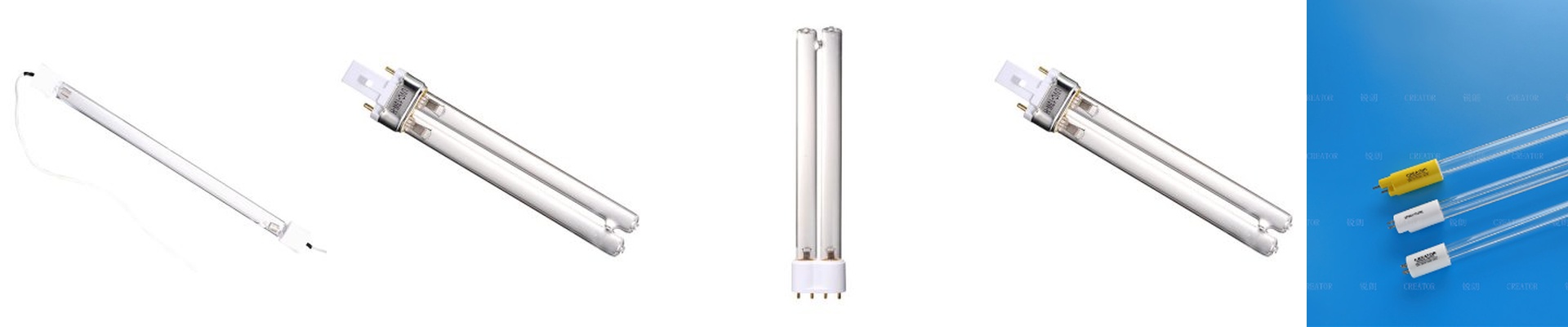
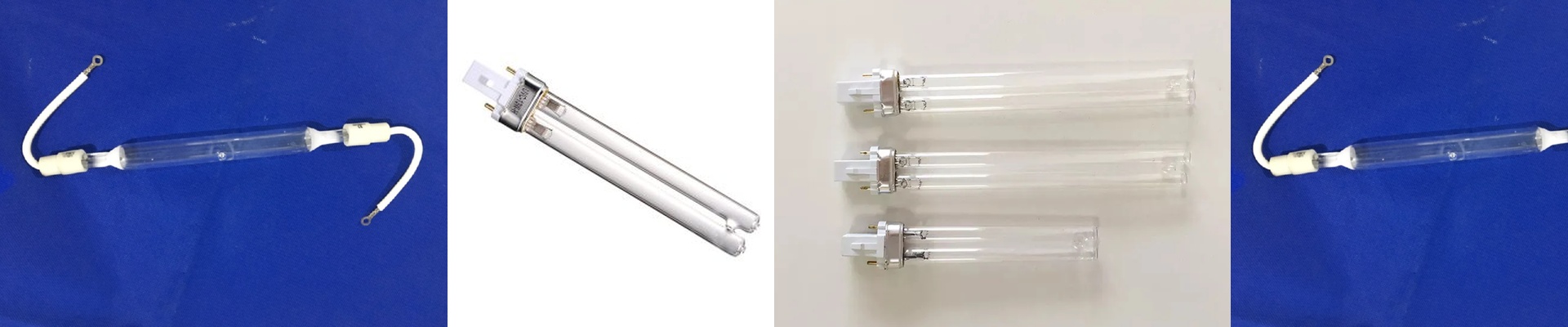
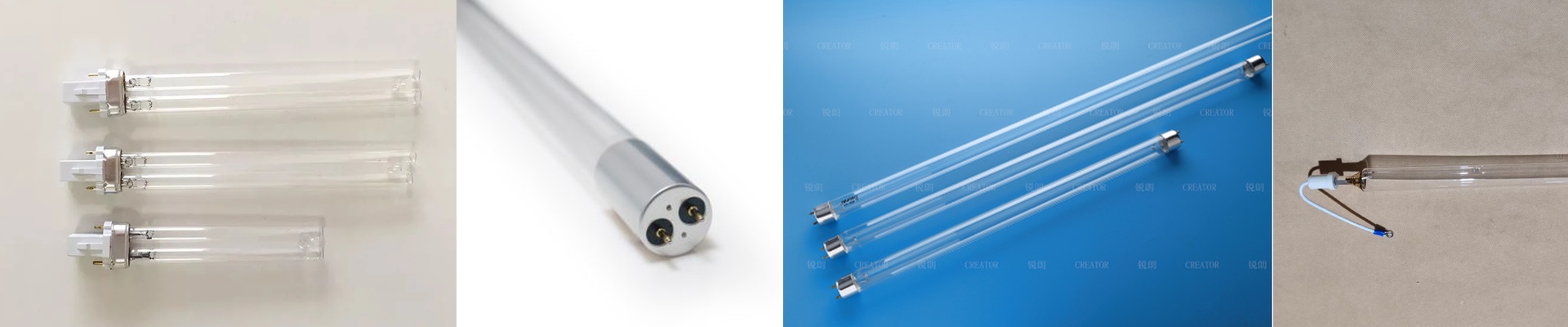
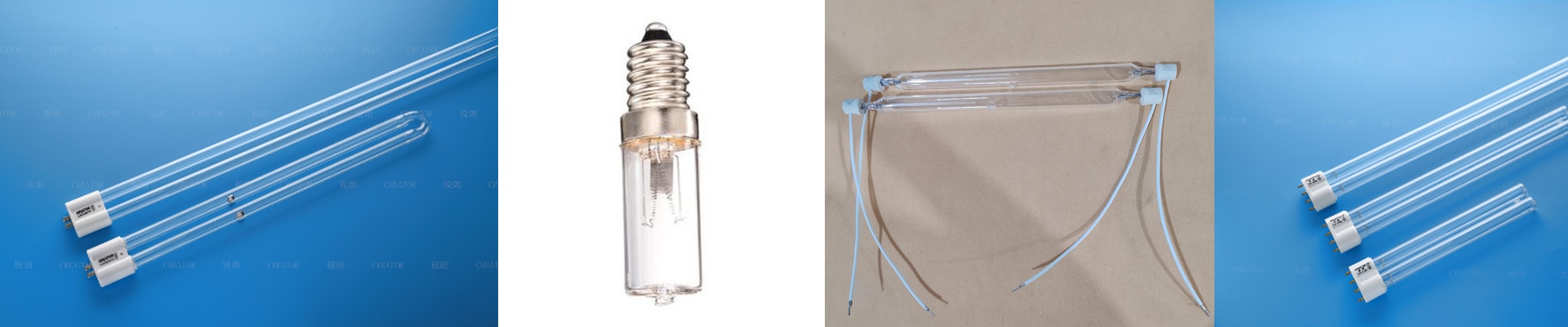
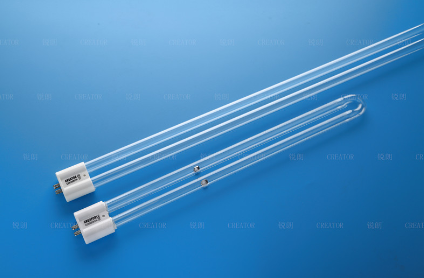
If you’re working with deep-curing photoresists or those tricky specialized inks, you know the struggle. Standard mercury lamps just don’t always cut it. That’s where gallium iodide lamps come in. They shift the light output just enough to punch through thicker coatings, getting the job done where other lamps give up. The trick with the light We aim for that 300nm to 400nm sweet spot. Why? Because there’s nothing worse than “skinning.” You know the feeling—the top layer cures instantly, traps the solvents underneath, and suddenly you’ve got bubbles or peeling all over your high-density layouts. It’s a nightmare. You’ll want to balance your wattage with your line speed. Crank up the power and you can speed things up, but keep in mind that adds a lot of heat to your boards. It’s a bit of a balancing act. The hardware side of things These tubes are made from high-purity quartz. They have to be; the internal pressure and heat during the arc process are intense. We’ve kept the connectors standard, so you can just pop them into your existing UV arrays without a headache. But here is the catch:these things run hot. If your airflow is blocked or your chillers are struggling, your tubes are going to burn out way too fast. I always tell people to keep a close eye on the socket temperature. If they get too hot, the connectors oxidize, and then you’re looking at a real mess. Actually getting the etch right In the shop, you’re mostly using these for solder masks and dry-film resists. The chemistry here ensures the UV light actually hits the bottom of the resist layer. When the light doesn’t reach the bottom, you get “undercutting.” The resist lifts, the circuit trace gets ruined, and you’ve just wasted a board. It’s frustrating and expensive. We don’t just ship you a box of tubes and wish you luck. We’ll actually sit down with you to figure out exactly how far the lamp should be from the board. Every photoresist brand is different, and we want to make sure you’re hitting that exact millijoule (mJ) mark every single time.