Getting Your PCB Curing Right with Gallium Iodide Lamps
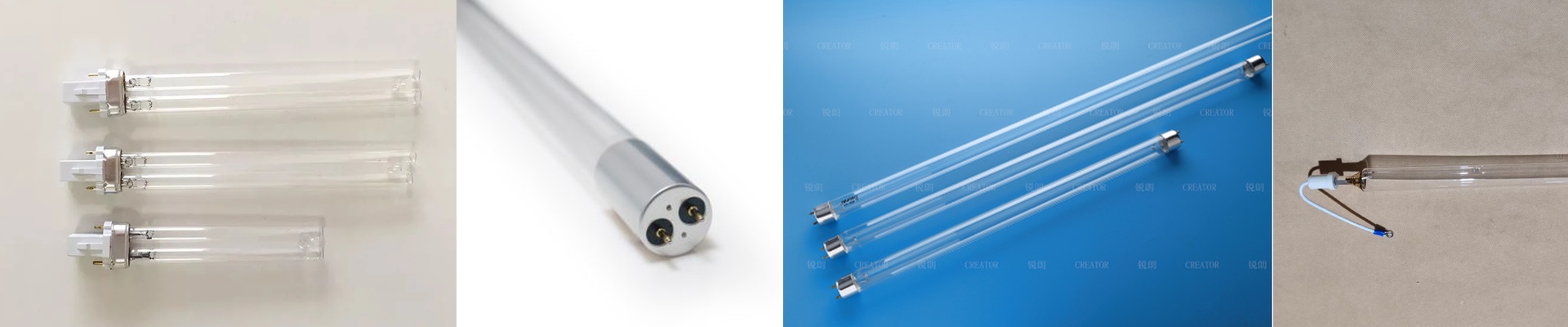
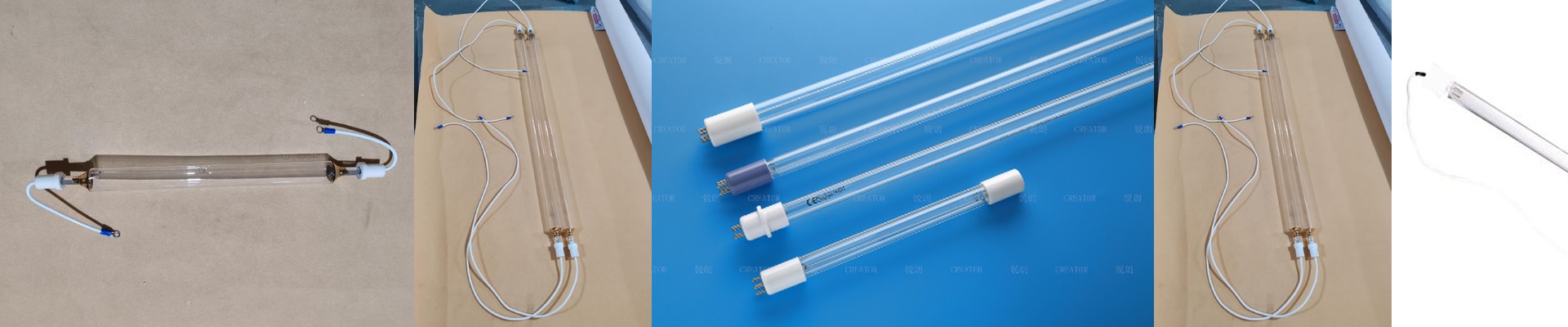
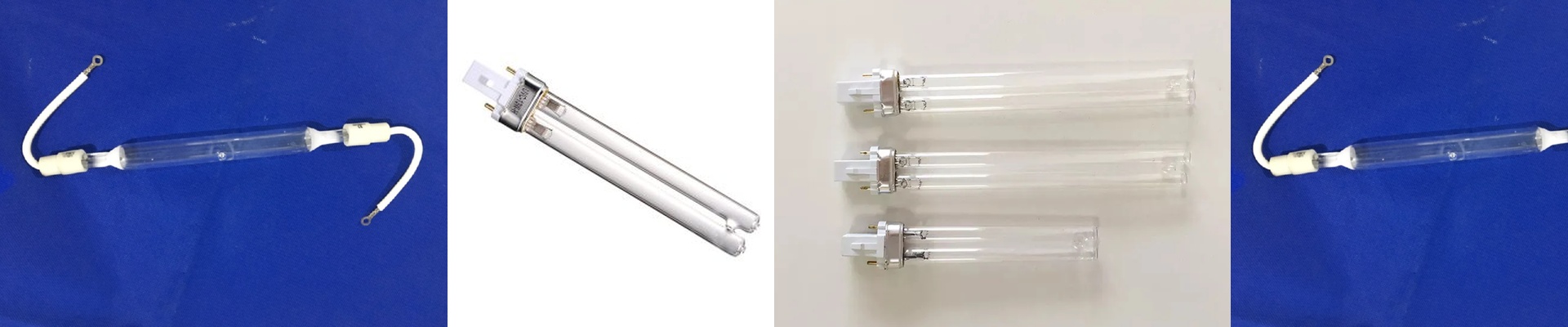
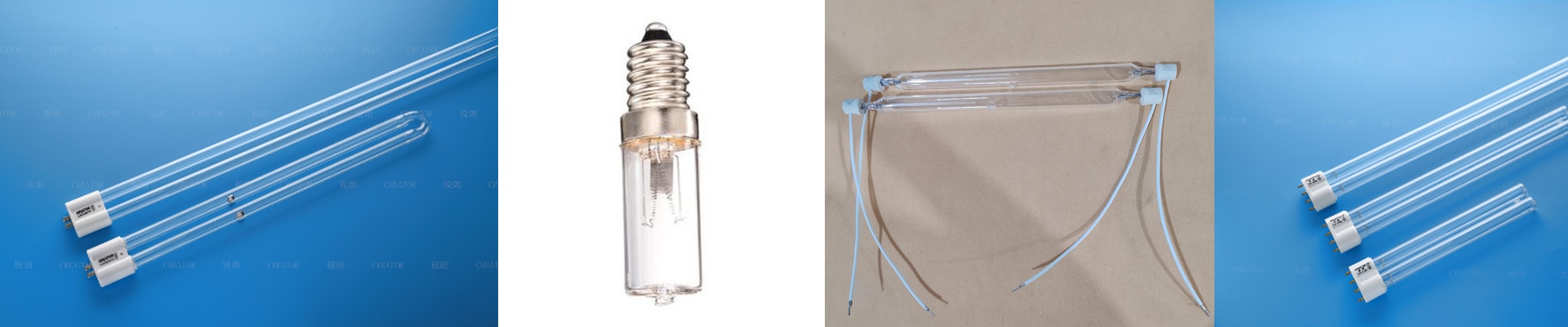
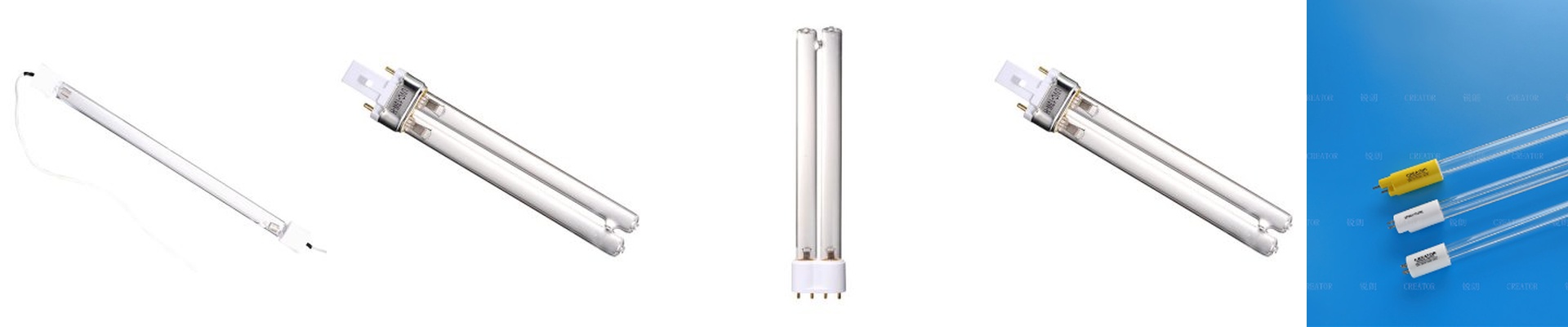
Let’s talk about Gallium Iodide (GaI) lamps. If you’re running a PCB shop, you know the struggle of trying to get photoresists to cure or solder masks to dry when your standard mercury lamps just aren’t cutting it. They lack that “punch” you need. That’s where these lamps come in. The secret is in the light. Most UV lamps are fine for basic work, but GaI tubes hit a very specific sweet spot in the UV-A and UV-B range. This is exactly what triggers the polymerization on your copper-clad laminate. Because the light is so focused, it digs deep into the resist without frying the substrate underneath. The result? Your circuit traces look sharp. No blurry edges, no guesswork. The hardware side of things. We designed these to be simple. You can basically drop them into your existing curing ovens without a total overhaul. We use a specific quartz envelope because we don’t want the glass soaking up the energy—we want every bit of that UV hitting your board. We also spent a lot of time on the electrodes. There’s nothing more annoying than a lamp that burns out because you’re switching it on and off all day. These are built to handle the grind. One quick heads-up:watch your power supply. Gallium lamps are a bit picky about how they start. They need a very specific triggering voltage to get the arc going. If your ballast isn’t matched to the tube’s impedance, you’re going to deal with flickering or a lamp that simply refuses to light up. It’s a headache you don’t want. Real-world use and the trade-offs. Here is the best part: these lamps let smaller shops handle high-density designs. You don’t need to drop a fortune on a massive conveyor system to get professional results. You get big-line power in a much smaller footprint. But, there is a catch.Heat. High-intensity UV creates a lot of infrared energy. It gets hot. Fast. If your cooling fans are dusty or just too weak, that heat can actually warp your PCB or mess with the quality of the resist. Keep your airflow moving. It’s the only way to make sure every board coming off the line cures exactly the same way.