Getting Your PCB Lines Right with Gallium Iodide Lamps
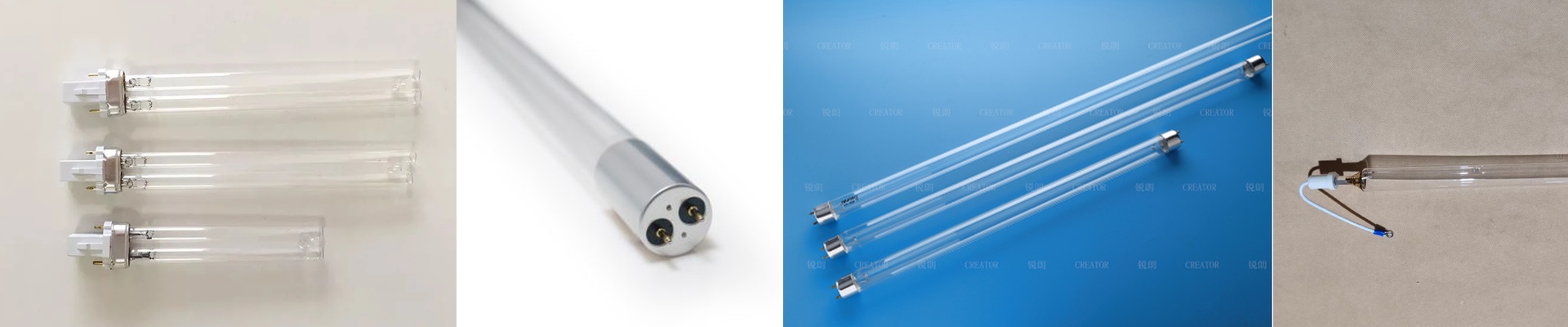
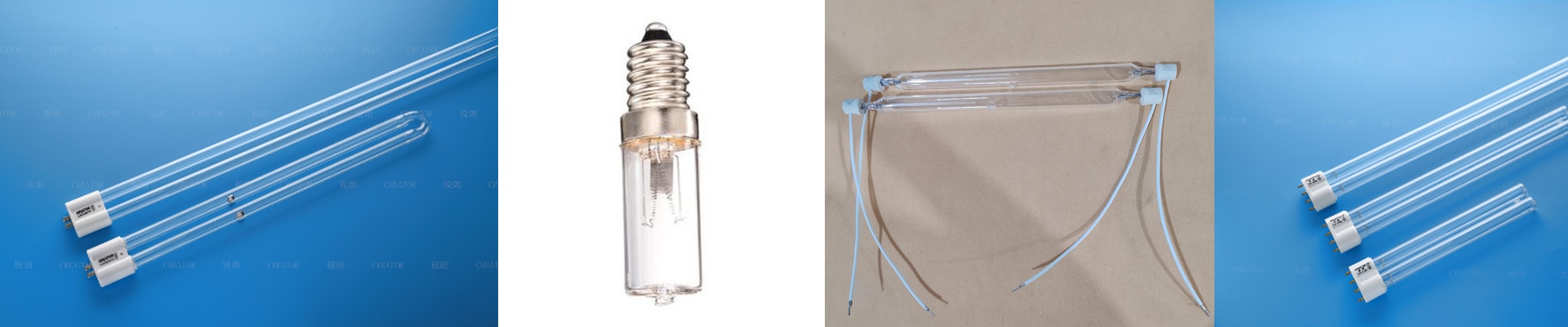
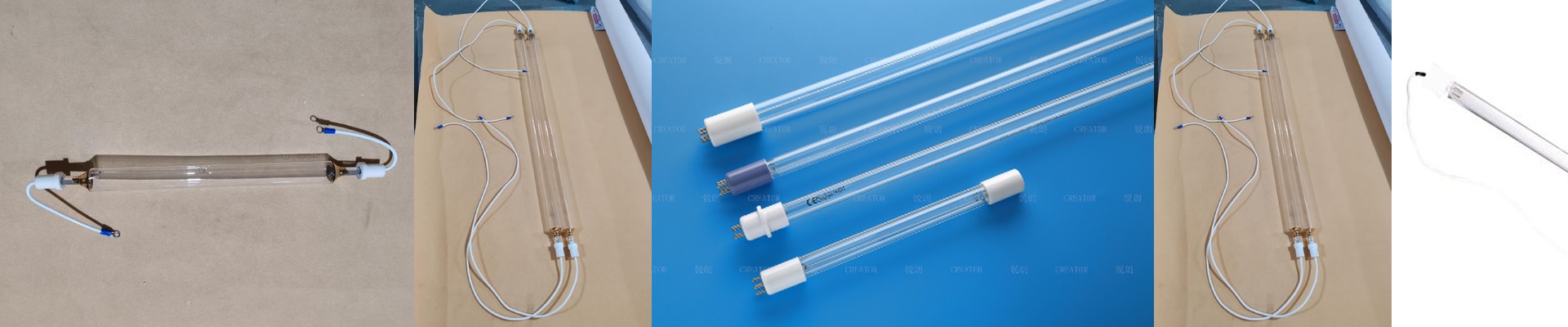
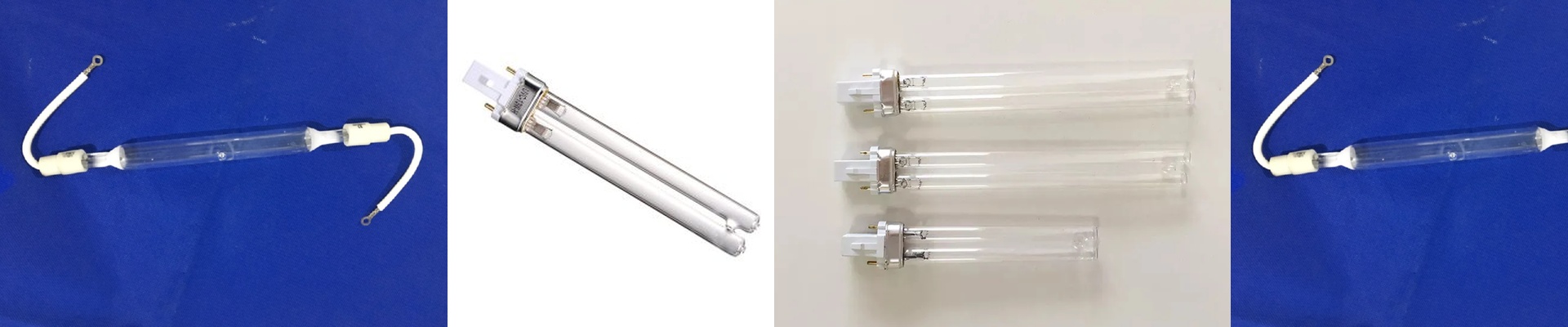
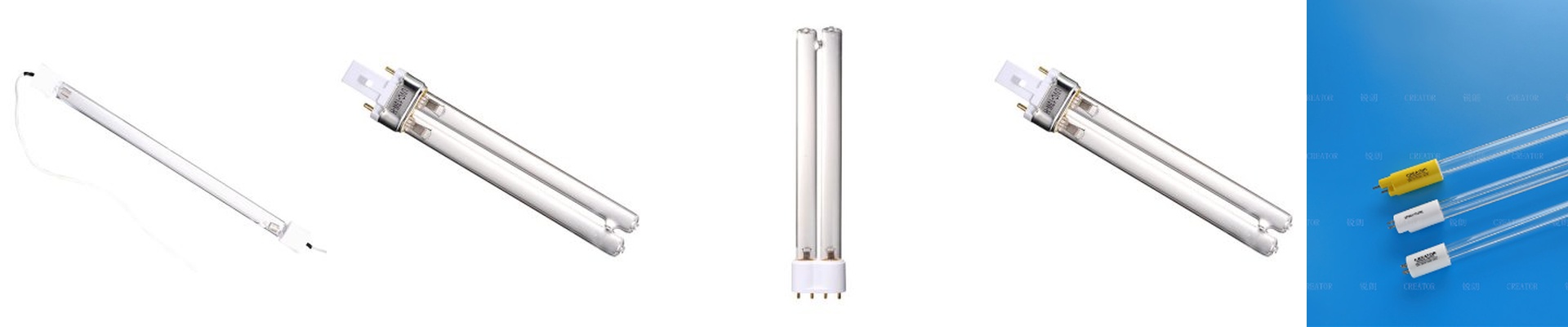
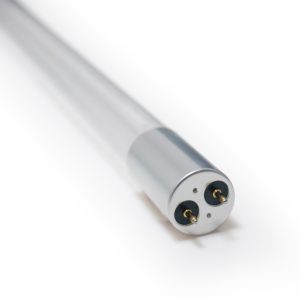
If you’re doing high-precision PCB work, you already know the struggle of getting those circuit traces exactly where they need to be. That’s where Gallium Iodide (GaI) lamps come in. Most UV sources throw out a messy mix of light, but these hit a sweet spot right at 254nm. Why does that matter? Because it triggers the photoresist exactly how it should without heating up the substrate. No heat means no warping. Simple as that. The secret is in the precision. When you use GaI, you don’t have to deal with the “light bleed” that usually plagues cheaper mercury lamps. For you, that means sharper lines and tighter tolerances. We’ve built these to handle heavy current, so if you’re running a high-volume line, you can keep things moving fast. Plus, since the light is so pure, you can probably stop wasting money on those expensive optical filters. Installing them is a breeze. We designed these to be drop-in replacements. They fit right into your standard UV housings. One heads-up, though: these things get hot. We’ve put a lot of work into the thermal interface so the quartz doesn’t crack when you’re cycling them, but you still need to keep an eye on your cooling. Check your blowers. If the ventilation is weak, you’re just asking for the electrodes to burn out early. No one likes a dead line. With e-commerce moving as fast as it is, your PCB layouts probably change every week. The last thing you need is a three-week wait for a replacement lamp while your production line sits idle. We keep these configurations in stock and ready to ship because we know that waiting on a part is the worst part of the job. Here is the deal: You get a lamp that hits 254nm every single time. It fits your current setup. Just wire it up, tweak your exposure time, and you’re good to go. Just keep in mind that GaI lamps don’t last forever—they’ve got a shorter lifespan than your basic fluorescent tubes. I’d suggest planning for a replacement every quarter. It’s a small price to pay to make sure your precision doesn’t drift over time.