Getting Your UV Curing Right: A No-Nonsense Guide for OEM Partners
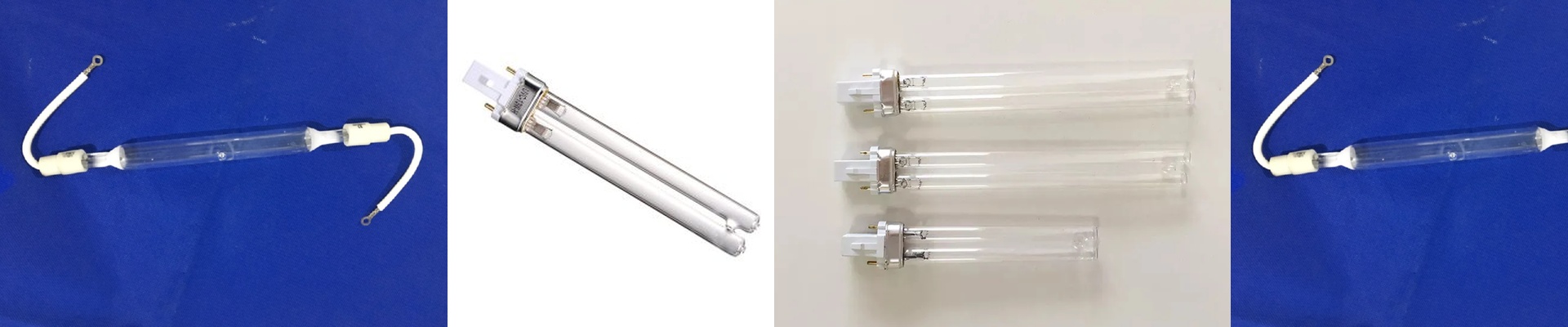
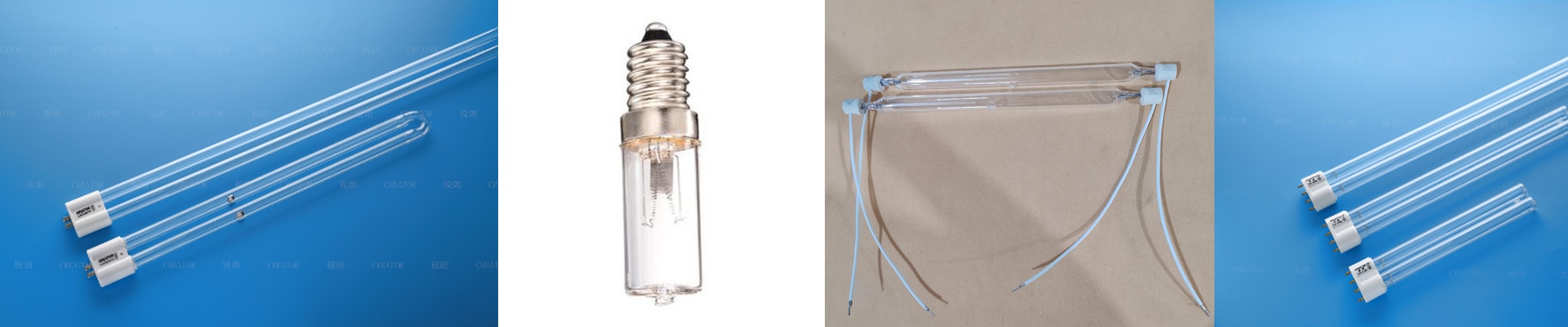
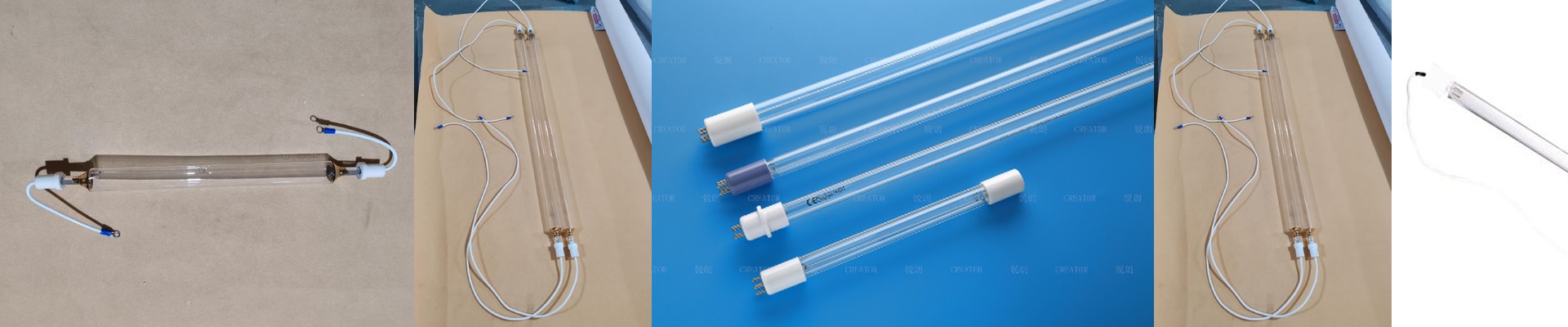
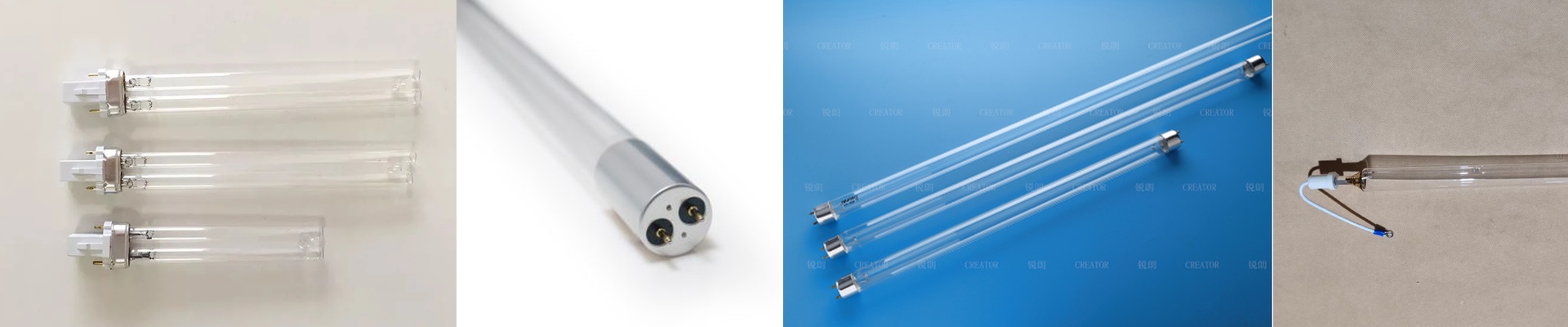
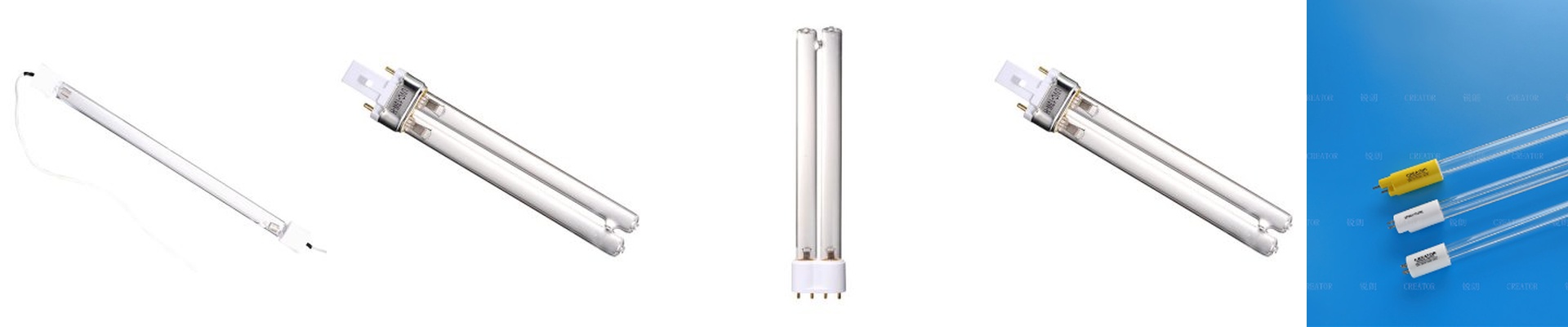
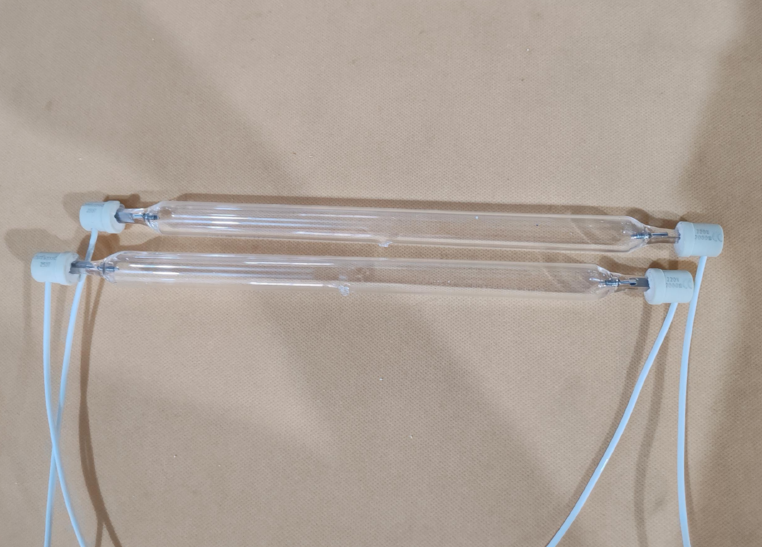
When we build UV lamps for our partners, we don’t get hung up on how “bright” the light looks. That’s a rookie mistake. What actually matters is the physics of photon delivery. You need the exact wavelength that triggers the photoinitiators in your specific resin or ink. If you’re off by even a few nanometers? Your line speed tanks. Or worse, your coating starts peeling off the product. Not a great look. The nitty-gritty of output We figure out the specs based on the irradiance (mW/cm²) hitting the surface of your material. For those high-volume lines, we use high-wattage tubes to cram as much UV energy as possible into a small space. Just a heads-up: your ballast has to be a perfect match for the lamp’s voltage and current. If they don’t vibe, you’re looking at burnt-out electrodes or light that flickers and dies. Materials and the heat problem We stick with high-purity fused quartz. Why? Because standard glass blocks the shortwave UV you need for a deep, solid cure. If you’re doing an ODM project, we can tweak the lamp length and the connectors so they just slide right into your existing chassis. But here’s the thing: high-intensity UV creates a lot of heat. While we’re pushing for max UV output, that infrared energy is going to warm up your substrate. You’ll need to make sure your cooling fans or water-jackets can actually handle that load. If the lamp gets too hot, the quartz tube can warp. Once that happens, your focal point shifts, and you end up with “dead zones” where nothing cures. Making it work in the real world We design these to be simple—either as a direct swap or a module you can plug right in. We aren’t guessing on performance, either. We benchmark our results against the big Tier-1 brands. If our custom setup doesn’t hit the same surface hardness or cross-linking density as the expensive name brands, we’ll give you your money back. We let the data do the talking. We use shore hardness tests and adhesion tape tests to prove it actually works. Simple as that.