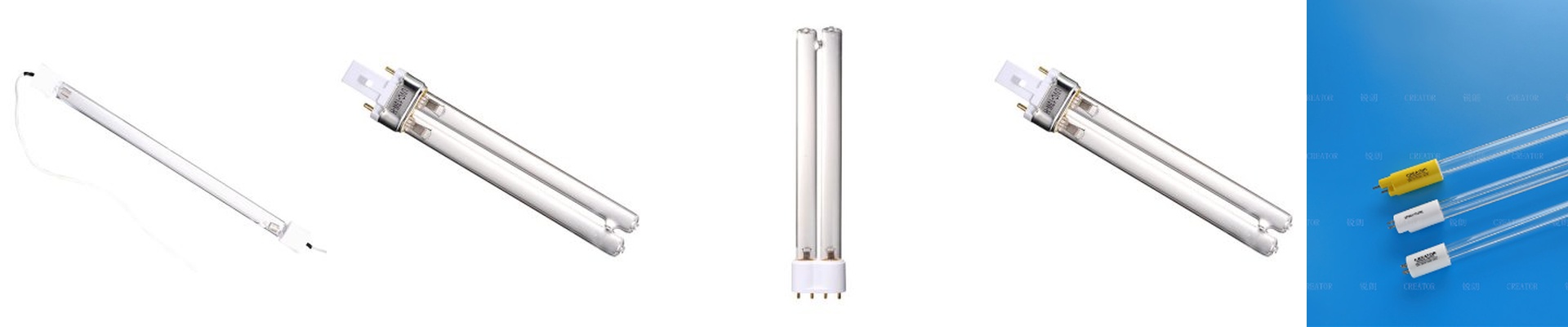
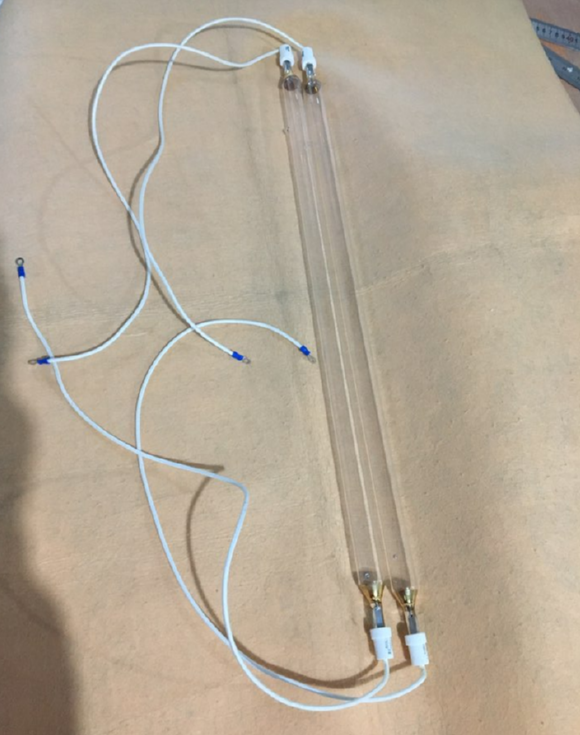
The Real Story Behind the Light: Getting Your UV Cure Right
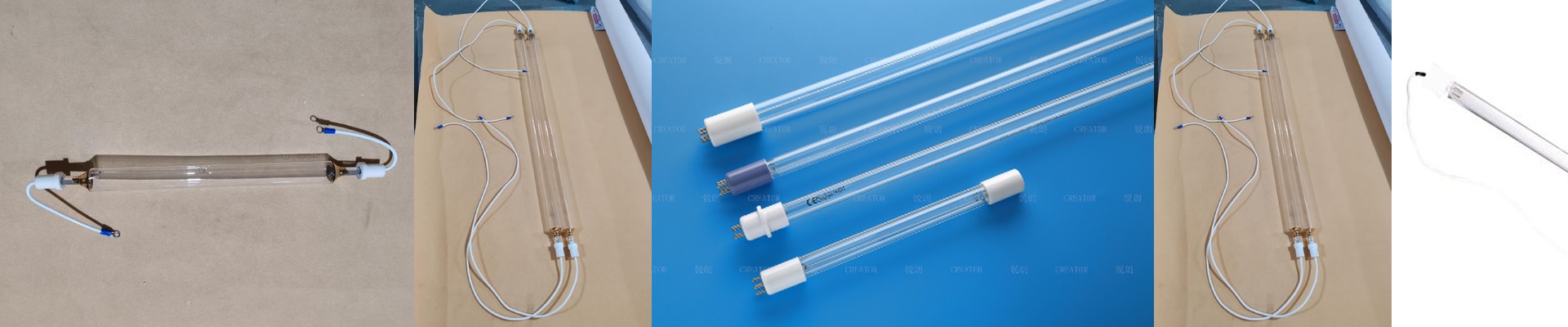
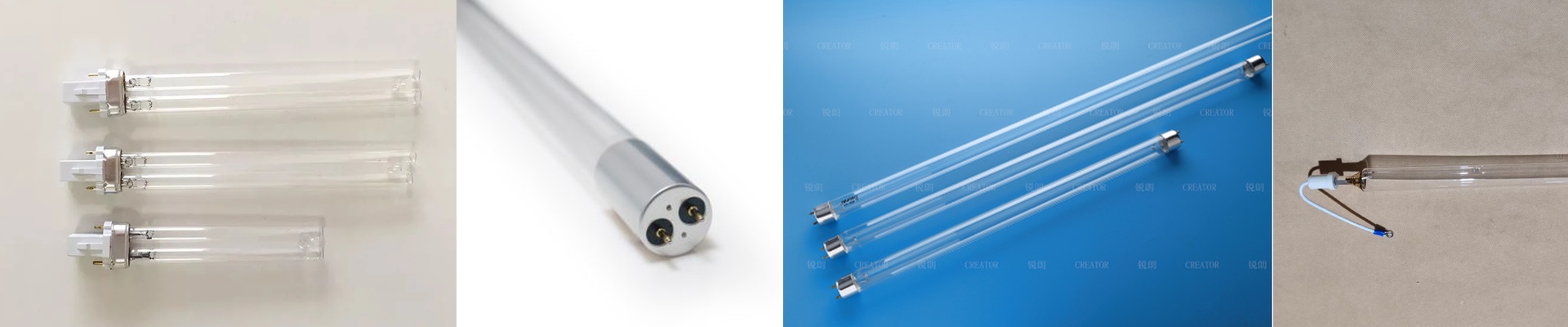
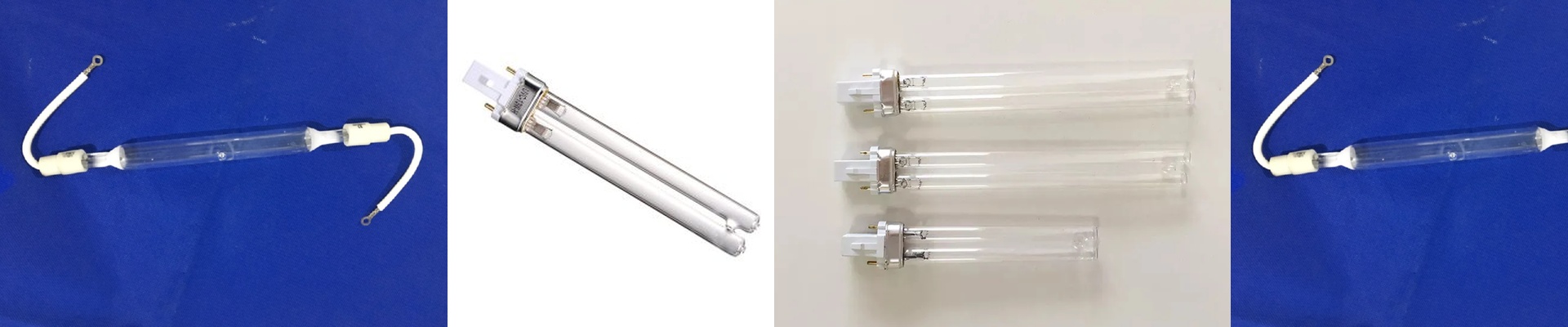
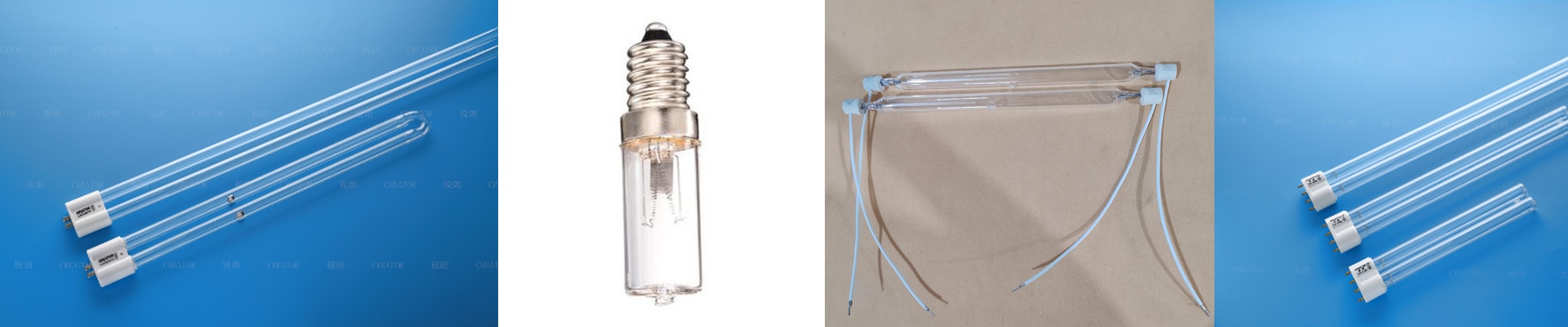
In industrial printing, ink is only half the battle. The real trick is making that liquid turn into a solid, instantly. That’s where our UV lamps come in. We build them to hit that sweet spot of energy that triggers the chemical reaction needed to set the ink. When you’re running a high-speed press, you’ve only got a few milliseconds to get it right. If you miss that window, you’re in trouble. Getting the power just right We tune our lamps to hit the 200nm to 400nm range. Why? Because that’s where the chemistry actually happens. It’s a balancing act. If the wattage is too low, your surfaces stay tacky and the ink starts to bleed. But if you crank the power too high without the right distance, you’ll end up scorching your material or warping your PET film. It’s a thin line between “perfectly cured” and “ruined.” Heat and Glass We use high-purity fused quartz for the lamp envelopes. We do this so the glass doesn’t soak up the UV light, letting as much energy as possible hit the ink. But here’s the catch: that much intensity creates a lot of heat. You’ve got to make sure your cooling fans or water-jackets are actually doing their job. If the lamp runs too hot, the electrodes wear out fast, and you’ll be replacing a burnt-out tube way sooner than you should. Fitting them in and keeping them running We designed these as drop-in replacements. We kept the footprints standard because nobody wants to rebuild their entire conveyor setup just to swap a dead lamp. Wiring them up is easy. Just one tip: double-check your ballast stability. A single voltage spike can pop a UV tube in a heartbeat. Look, we aren’t going to tell you these lamps last forever. They don’t. Every UV tube loses its punch over time. We give you the benchmarks so you can see exactly when to swap them out. It’s a lot cheaper to change a lamp than it is to look at a growing pile of scrapped work.