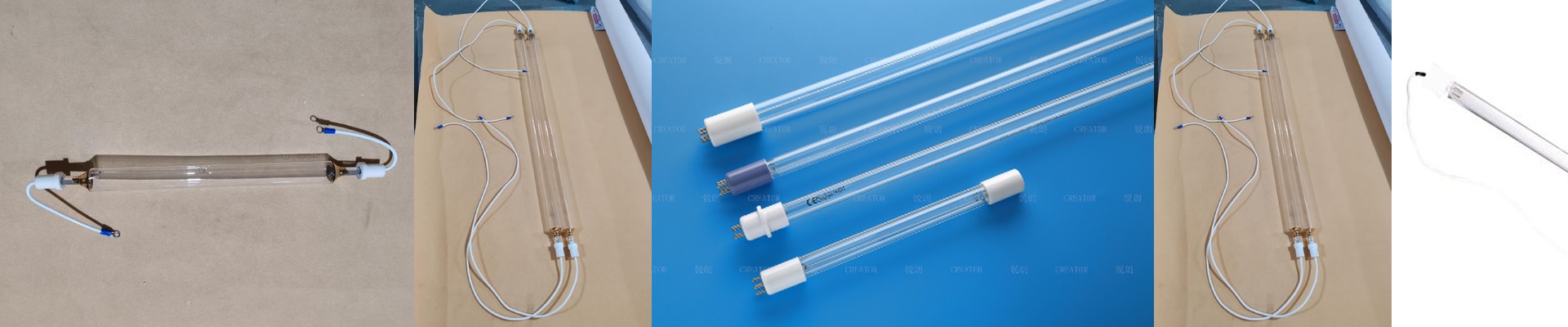
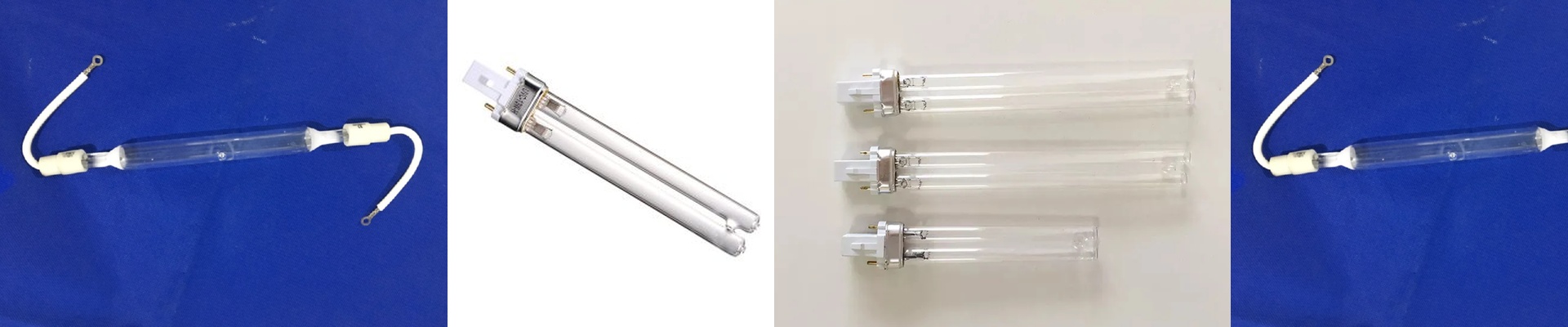
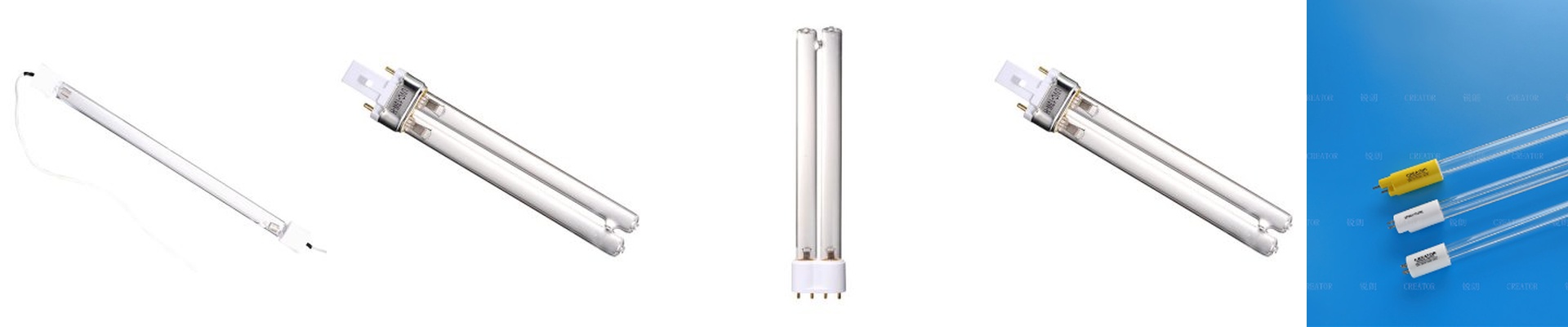
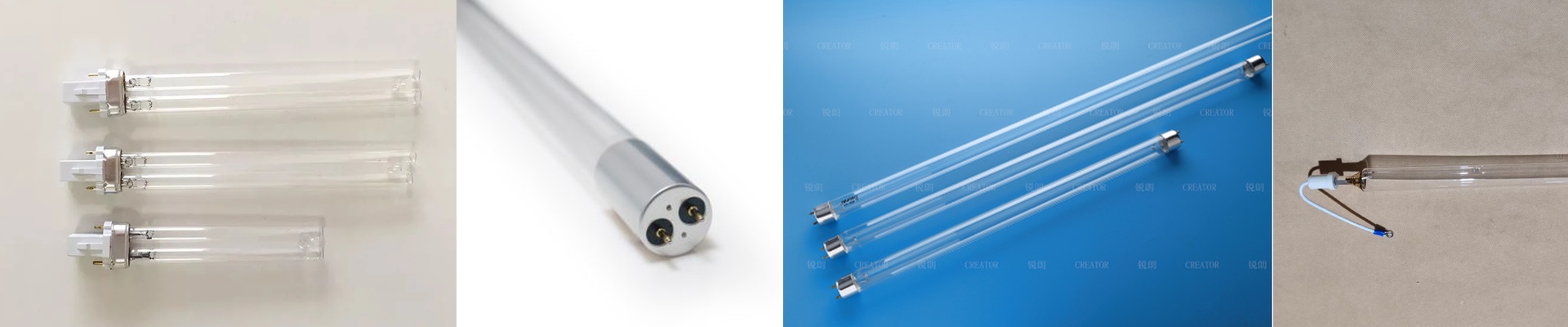
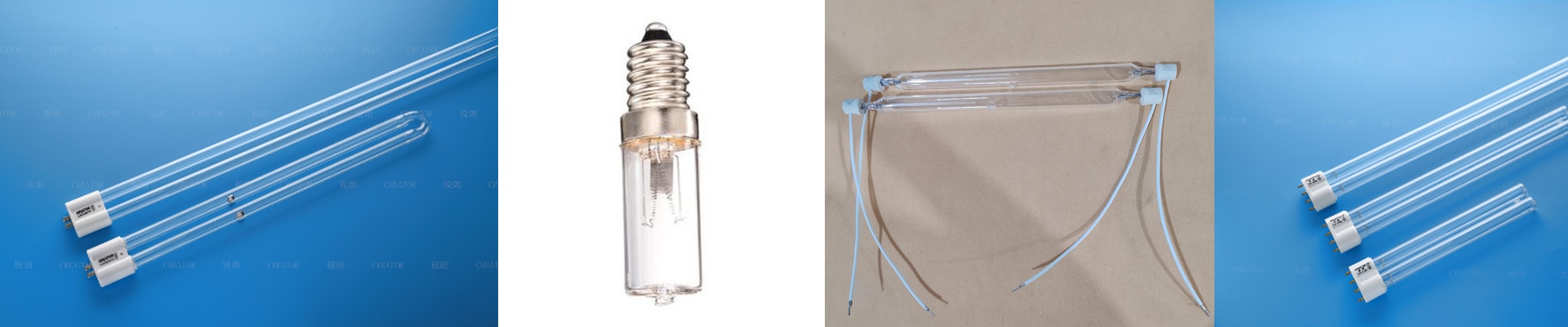
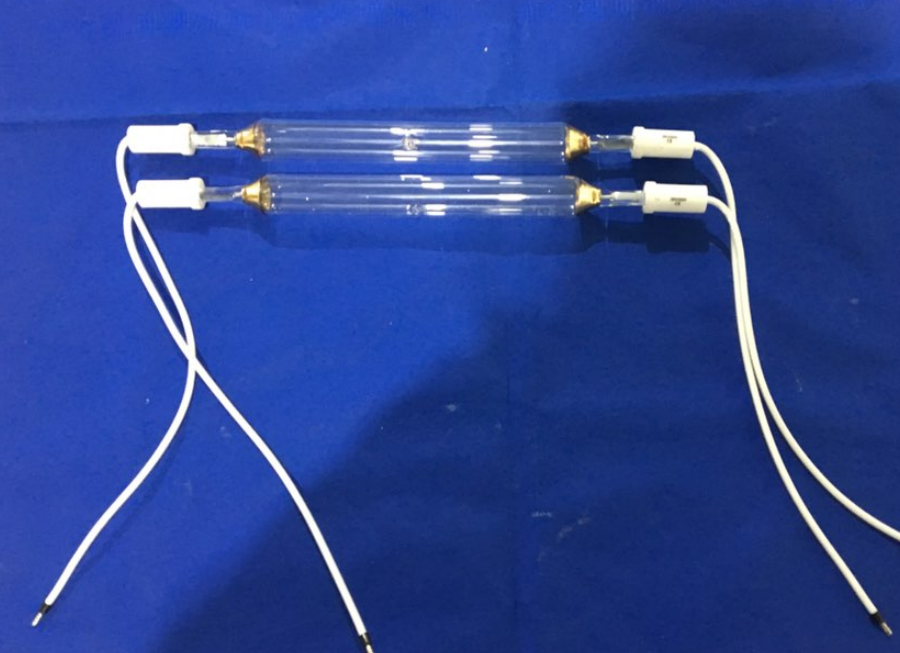
On a high-speed press, what actually matters is how long the ink sees the lamp—not the lamp’s temperature. When you’re racking up tens of thousands of fast flash cures and you can’t afford thermal drift, the cathode design is where the physics either works for you or fights you. Our 365nm mercury vapor lamp uses a low-thermal-inertia cathode structure. It comes up to stable emission quickly and dumps heat fast, so every strobe hits with the same spectral output. At the end of the day, it’s about repeatable photon delivery. The 365nm output is matched to the photoinitiators you commonly run in UV offset, flexo, and screen inks. High peak irradiance and a tightly controlled spectral width drive cross-linking the way it should be driven. You get stable arc stability through repeated on/off cycles, output that holds up over the life of the lamp, and low spectral decay. The reflector and dichroic coating are matched to maintain wavelength selectivity and keep energy density consistent across the cure window. **Here is why it holds together in practice:**the low-thermal-inertia cathode doesn’t fatigue under high-frequency pulsing. You can run hundreds of thousands of flash exposures without the usual drop-off in intensity. The payoff shows up on the floor: faster job changeovers, fewer rejects from under-cure, and curing that stays predictable—even on heat-sensitive substrates. Energy use comes down because the lamp spends less time warming up and more time curing. A few practical notes. This lamp is sensitive to ignition voltage and ballast compatibility, so match the ignitor spec to the lamp’s cold-start requirements. Make sure operating position and cooling airflow keep the cathode inside its thermal window. And plan for periodic radiometric verification. Even with low decay, a spectral radiometer keeps your curing decisions anchored in data.