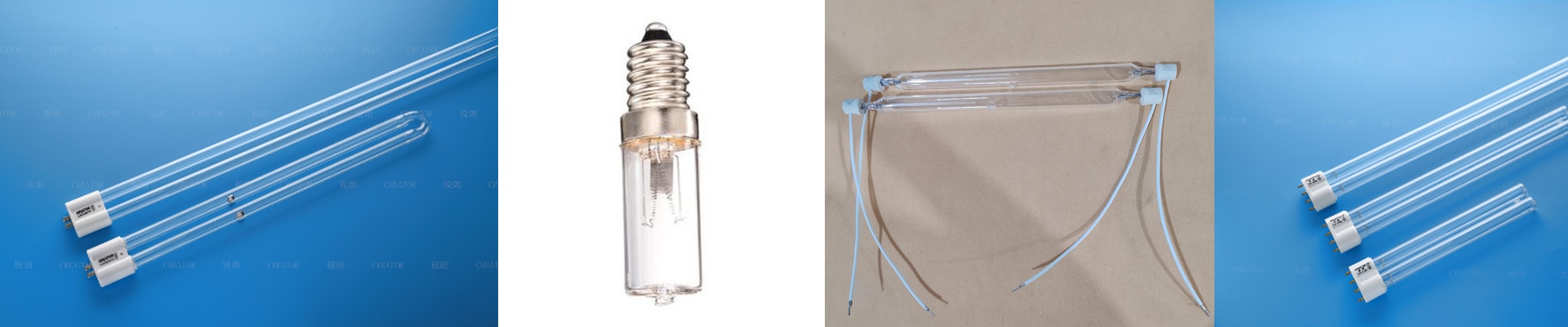
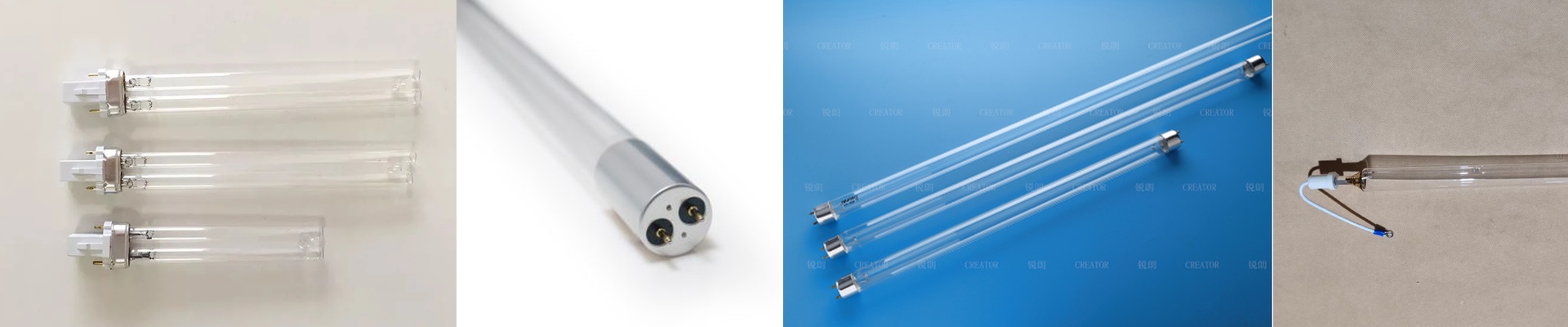
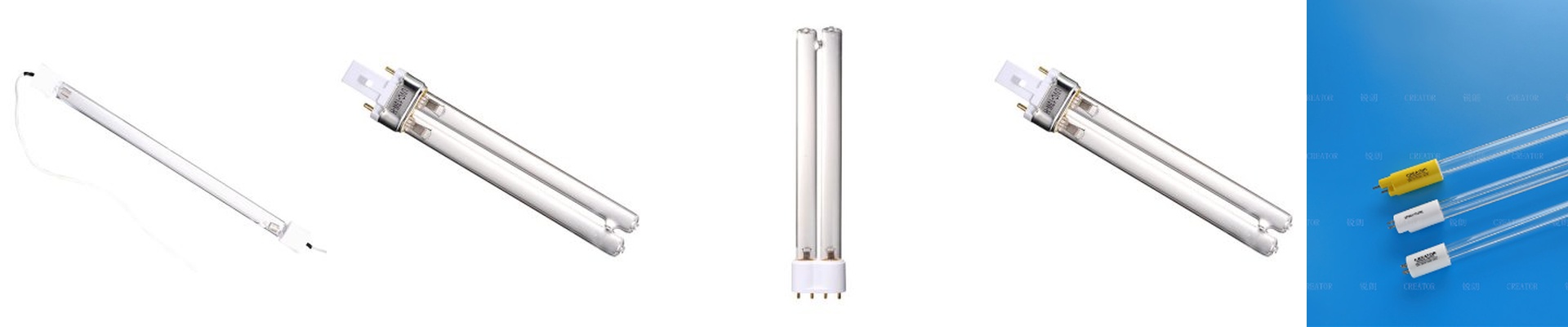
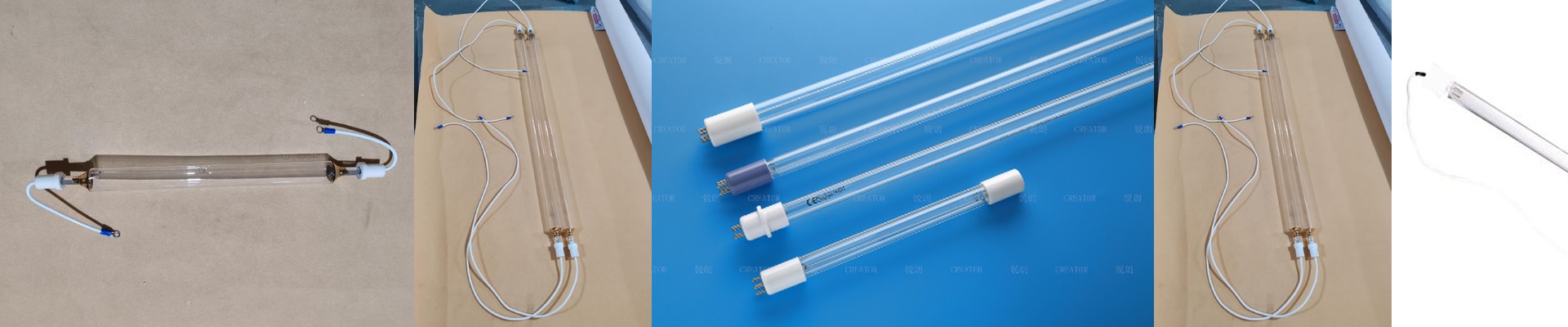
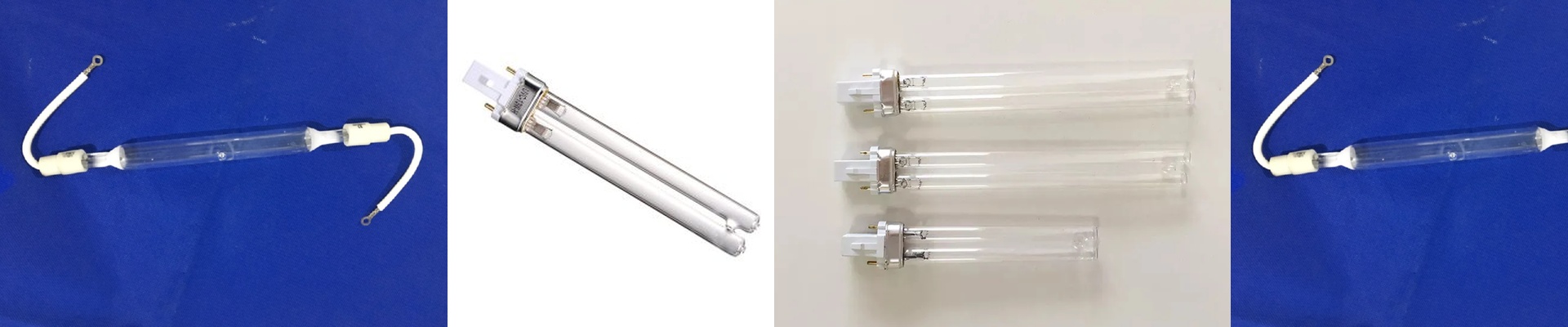
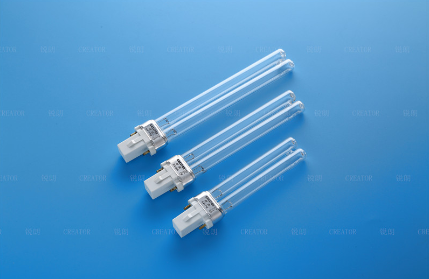
On the floor, you’ve got the press dialed to 4.0 speed, but the same lamp headaches keep showing up: output drift, uneven cure across the web, and surprise downtime that turns tight deadlines into overtime. The Aqua Ultraviolet lamp bulb was built to break that loop. What matters under the hood This is a high-pressure mercury vapor lamp, built for industrial UV curing. It holds stable spectral output around the core wavelengths that kick off the photoinitiators in UV offset, flexo, and screen inks. Peak irradiance stays consistent along the arc length, and the quartz envelope plus reflector geometry keep energy density in a tight band. You get steady output at 365nm and the broader UVA profile needed for deep cross-linking, with a controlled degradation curve so intensity doesn’t fall off mid-run. It runs ozone-free, which keeps the curing zone cleaner, and the dichroic coating sharpens spectral control—cutting wasted IR and keeping substrate heating in check. Why it plays in 4.0 workflows Repeatability is the win. With this lamp, you can push higher line speeds without solvent entrapment, and the cure window opens up on thick ink deposits and dense graphics. Registration stays tighter because substrate temperature swing is reduced, and you see fewer rejects from surface tack. Energy use drops because reflector efficiency puts usable UV where it needs to be—on the print. Longer lamp life means fewer changeouts, less maintenance labor, and more uptime that stays on schedule. The practical details Match the lamp to your existing UV system: arc length, end cap type, wattage, and trigger compatibility have to line up with the ballast and reflector assembly. Then verify the cure window with your ink chemistry using a radiometer—ink formulation changes can shift the required mJ/cm² even when lamp output is stable. For the best results, keep the lamp within its rated cold-spot temperature and keep the reflector clean. Output and lamp life both depend on it.