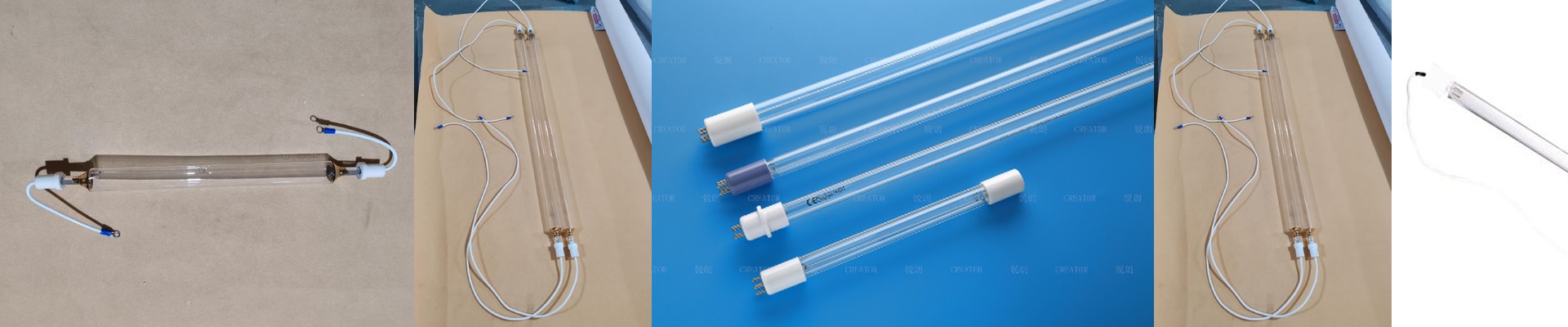
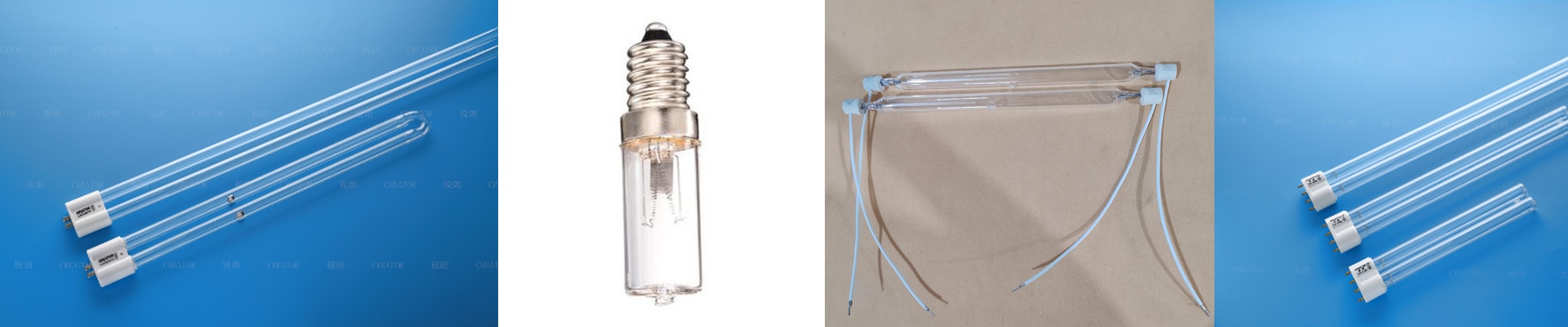
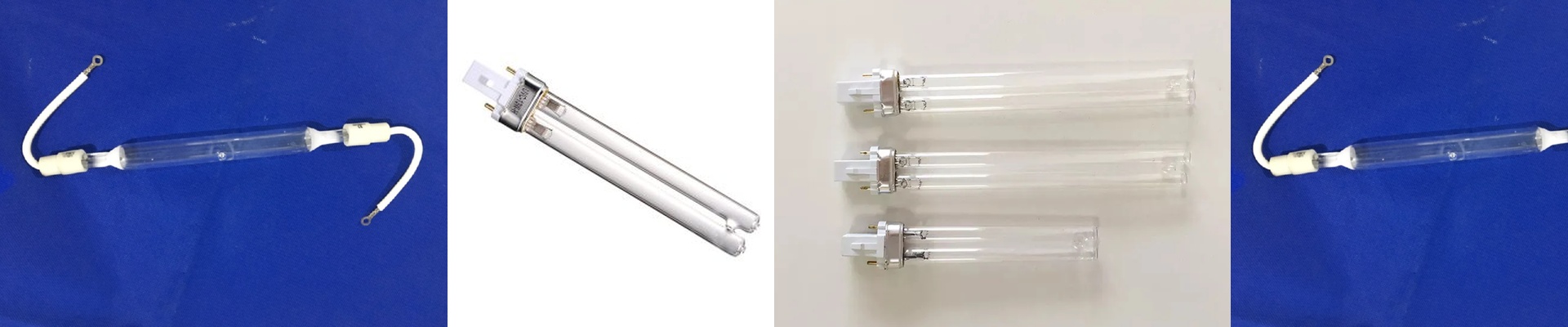
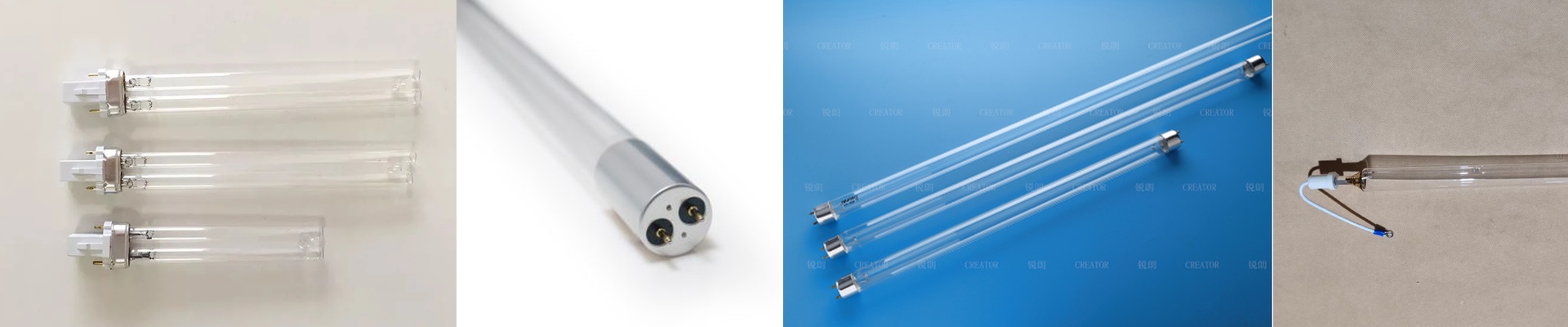
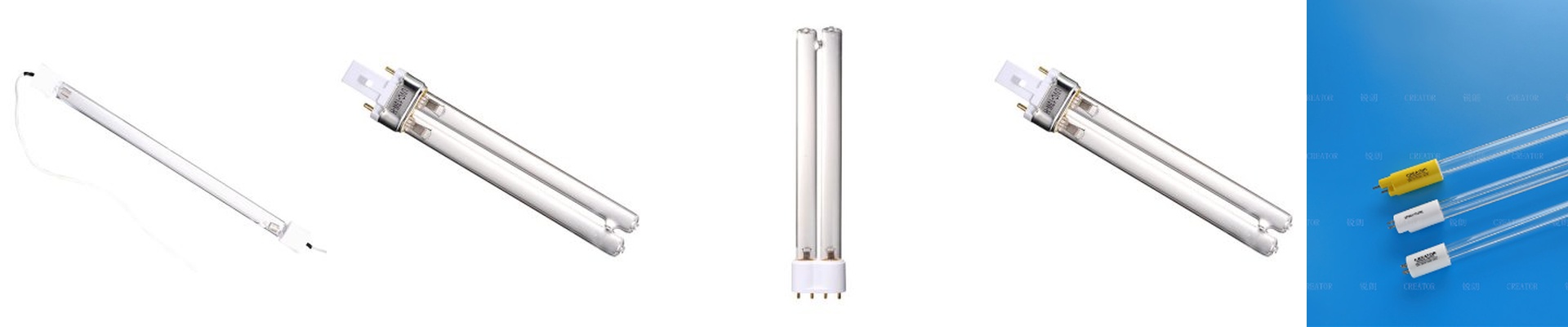
After 15 years tuning UV systems on the factory floor, here’s what we learned: germicidal control isn’t just about output—it’s about repeatable exposure. If the UVC cycle isn’t locked down, you risk half-done disinfection or wasted energy. So we built a UVC germicidal lamp with a timer that ties exposure time directly to your process rhythm. What matters under the hood It’s a low-pressure mercury vapor lamp, so the primary line is 254nm—the one that breaks down nucleic acids. We tune peak irradiance to hit the needed microbial inactivation at a set distance, and the timer keeps dwell consistent. Output stays stable because the arc is controlled and the power supply is steady, so every cycle gets the same dose. You can count on predictable performance across thousands of starts, with minimal drift during warm-up. Why this works in production On a line where throughput and compliance have to line up, the timer takes operator variance out of the equation. You set the exposure window, and the system runs it—no guesswork, no overexposure. The payoff is fewer rejected batches, lower energy per unit, and a sanitation record you can stand behind. The lamp drops cleanly into conveyorized and enclosed setups, matching exposure time to line speed. The details that keep it honest Installation comes down to matching voltage, connector type, and reflector geometry to your fixture. Get the reflector wrong and you’ll clip spectral efficiency and dose uniformity. Surface temperature matters, too—keep the lamp within its rated window, or output stability and life will suffer. And plan end-of-life by tracking accumulated hours, not what you see with your eyes, because UVC output fades even while the lamp still glows.