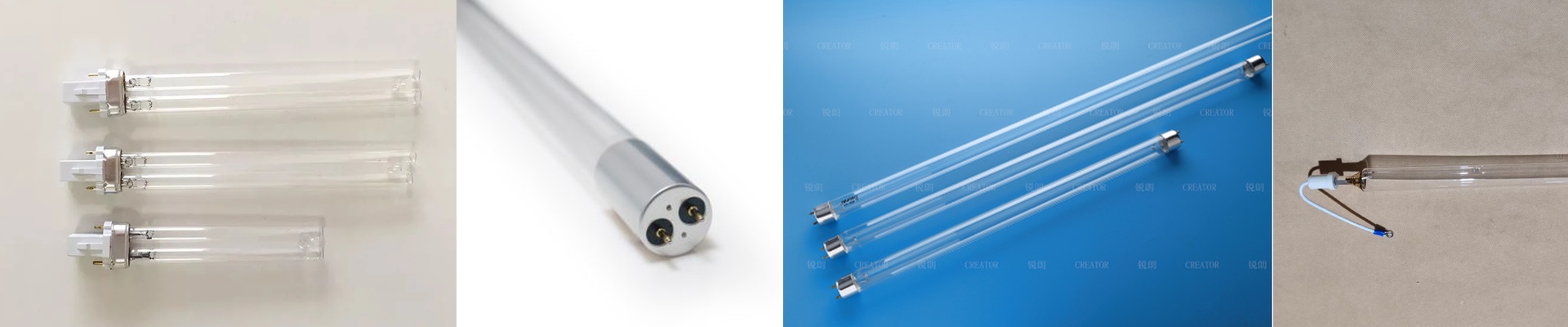
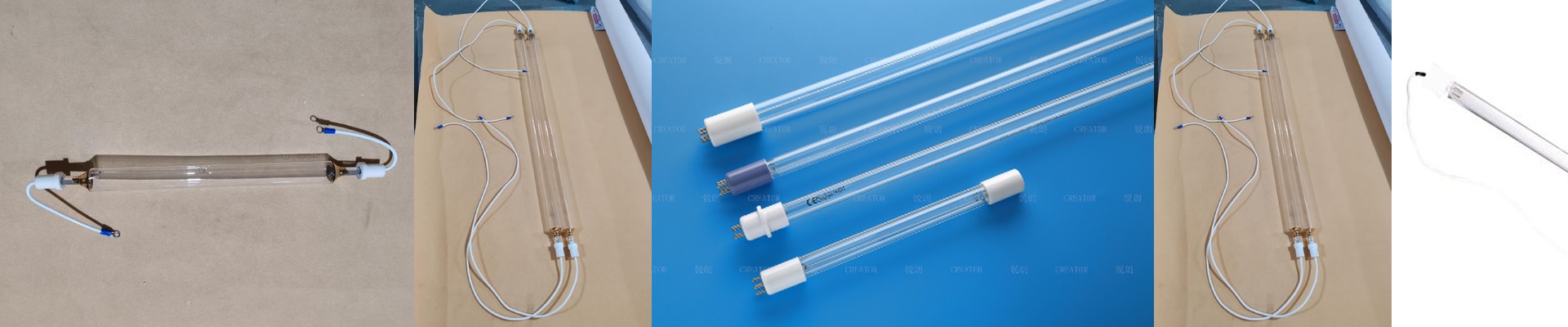
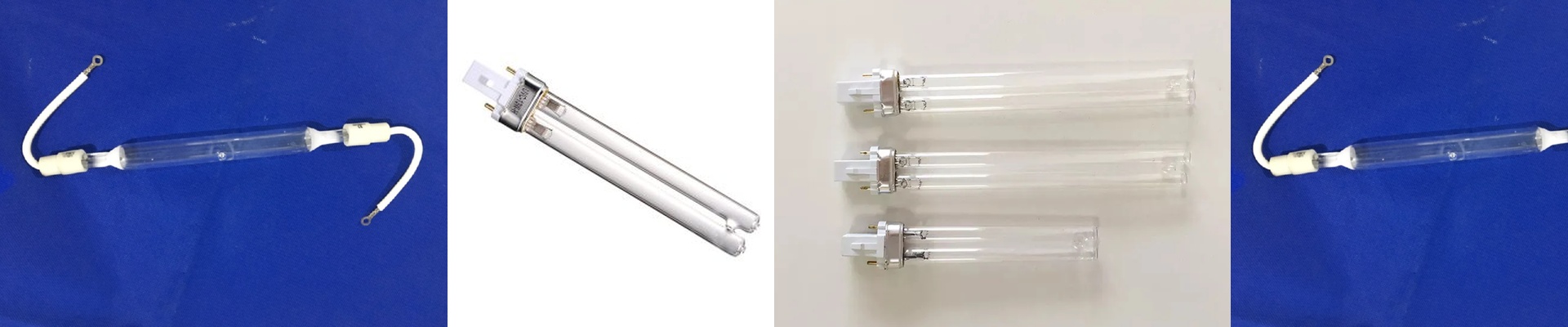
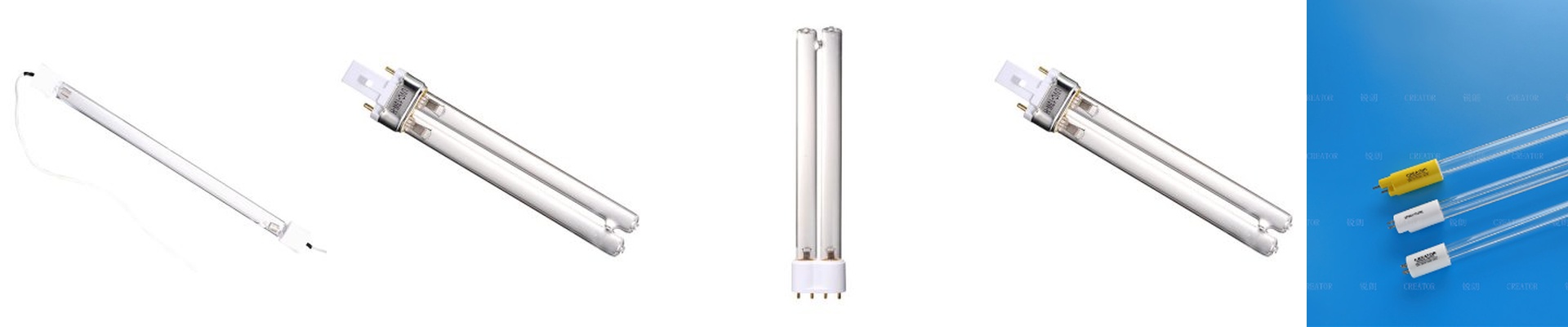
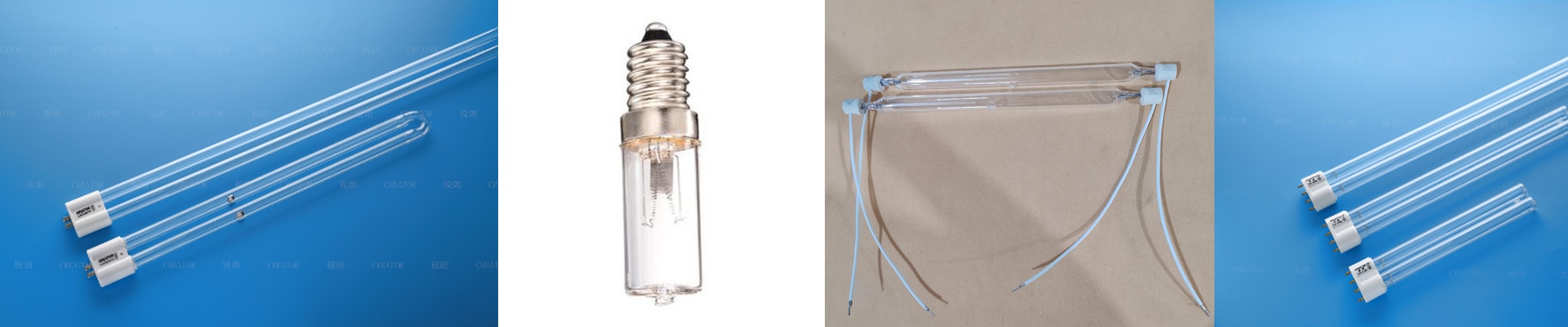
The biggest weak link in a safe UVC germicidal setup isn’t the ballast, and it isn’t the rated lamp life. It’s a fingerprint on the quartz sleeve. I’ve seen it happen again and again in the field: one careless fingerprint left during install becomes a localized hot spot. That heat accelerates quartz devitrification, and the sleeve fails early. For a home UVC unit, that isn’t just a hassle—it directly robs the 254nm output you need to actually knock out microbes. What actually matters under the hood A safe, effective home UVC germicidal lamp needs stable 254nm spectral output and quartz that stays intact. The envelope has to keep UVC transmission high—better than 90% at 254nm—and handle serious operating temperatures. A fingerprint lays down organic residue that soaks up UV energy. That can spike the local temperature by up to 150°C compared to clean quartz. The spike drives devitrification, which drops UVC output and cuts service life. In practice, a contaminated surface can cut effective output in half within the first 100 hours. Why this works when you treat it like an optical part Putting an ozone-free UVC lamp in a home setup only works if you treat the lamp like an optical component, not just a bulb. Handle the ceramic base or the designated mounting points only. Before you power up, wipe the quartz with 99% isopropyl alcohol and a lint-free wipe. Do that, and you preserve peak irradiance and keep the required dose for microbial reduction consistent across the lamp’s rated life. What to keep straight on the job UVC output falls off with the square of distance, so positioning is fixed by the required dose curve. Never look directly at the lamp—UVC is hazardous to eyes and skin. Also, make sure the fixture and ballast match the lamp’s voltage and ignition requirements. If the quartz gets touched, the only fix is immediate cleaning—don’t run the lamp contaminated.