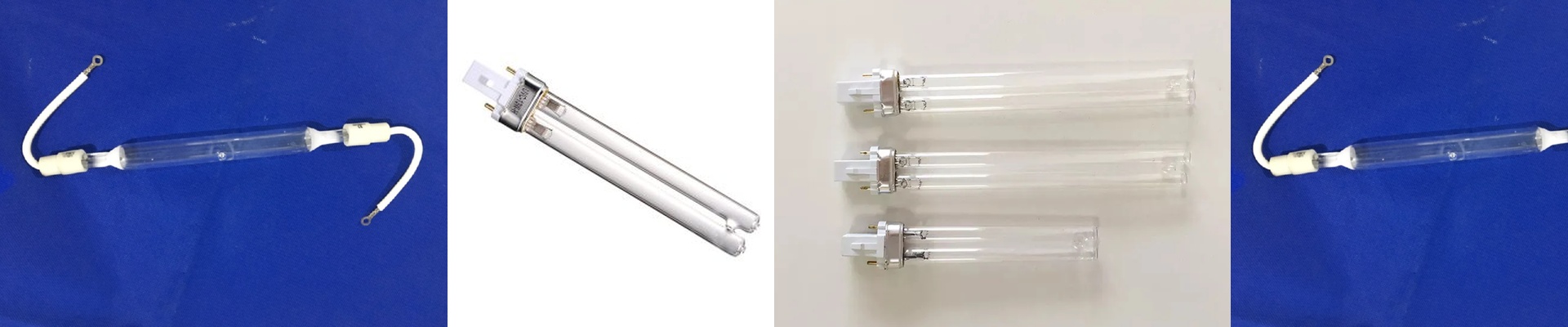
The Secret Role of UV Lamps in Making Your Clothes
When most people look at a shirt, they think about needles, thread, and sewing machines. But if you look closer, there’s a lot of invisible science happening. We use UV lamps not just to dry things, but to actually change how fabrics and dyes behave at a molecular level.
How the Magic Happens
We generally use these lamps in three spots. First, there’s the pretreatment. We use short-wave UV light to “lock in” sizing agents. It sounds technical, but basically, it keeps the yarn from snapping while it’s being woven. No one wants a machine jam halfway through a roll. Then comes the printing. For digital textile work, we lean on medium-wave UV. The moment those ink droplets hit the fabric, the UV light hits them and turns the liquid into a solid polymer. It happens instantly. This is the only way to stop the ink from bleeding and keep those lines crisp. Finally, we have the finishing touches. Think of things like waterproof coatings or flame retardants. If you don’t hit these with the right dose of UV, they just won’t stick. You’ll wash the garment twice and the coating is gone.
The Hardware Headache
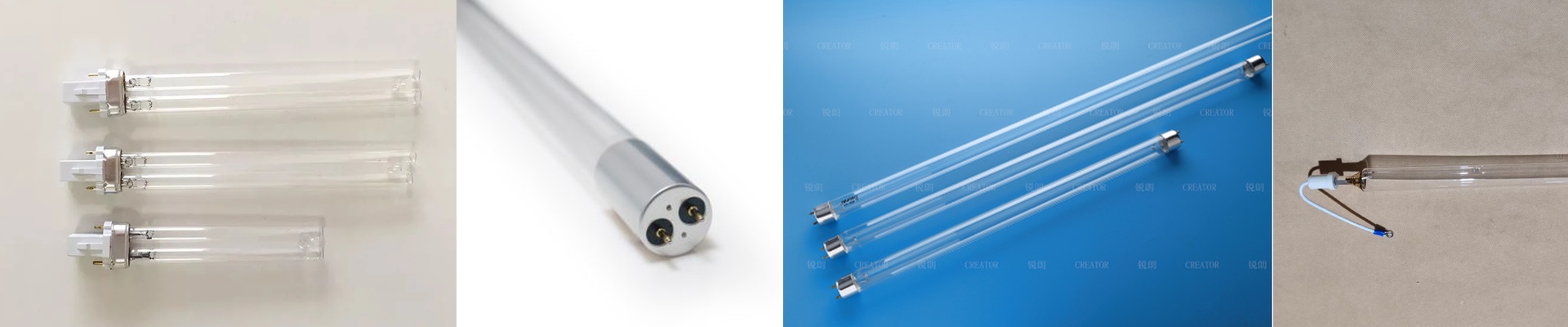
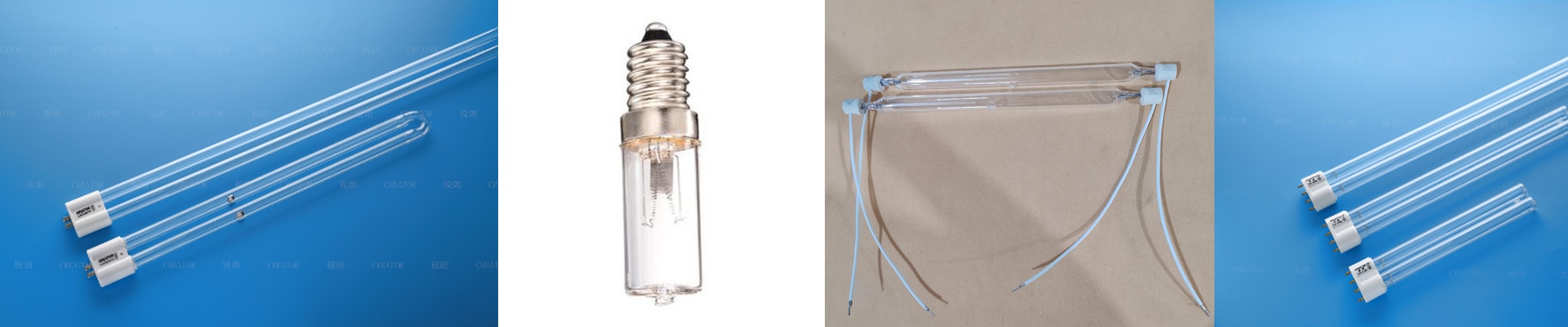
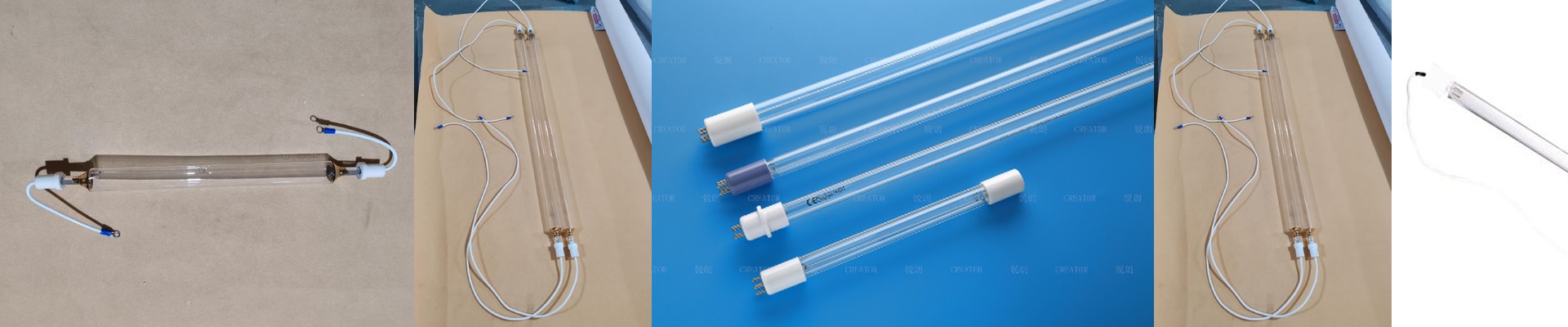
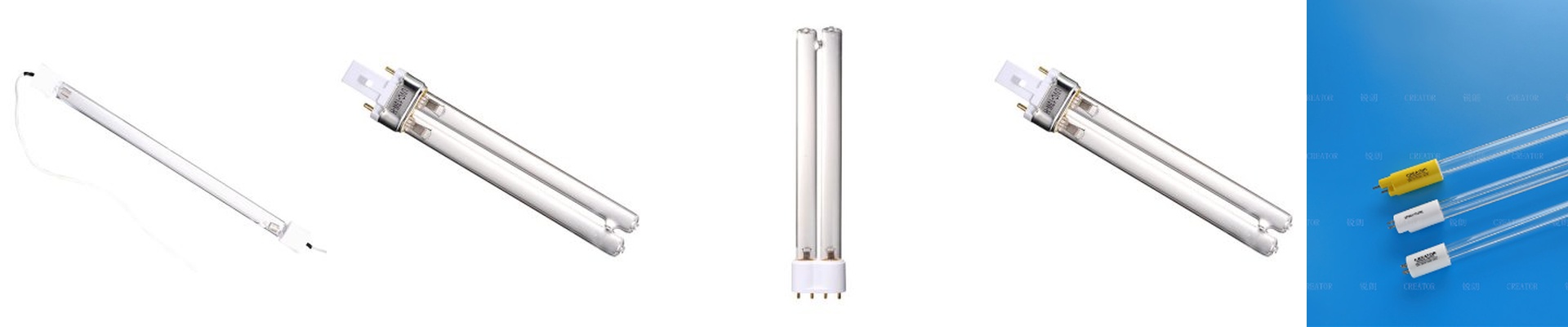
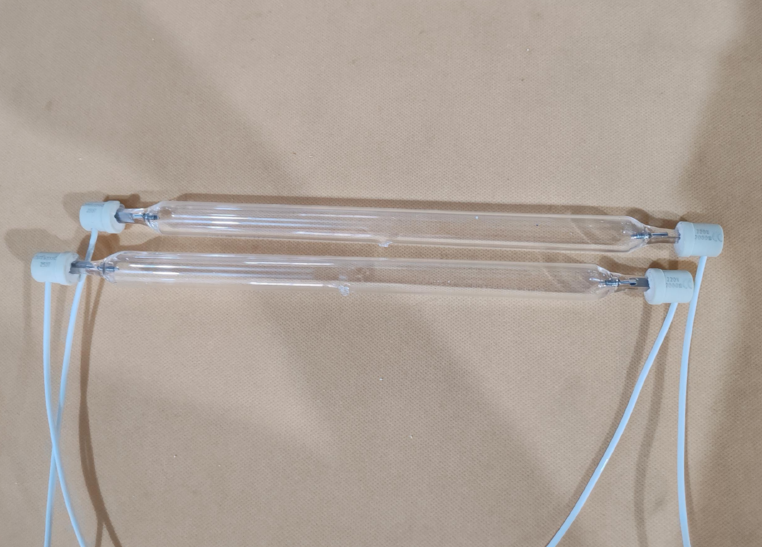
Here is the tricky part: you have to match your lamp wattage to how fast your line is moving. If you’re doing small batches, a low-wattage tube is plenty. But if you’ve got a continuous roll-to-roll line screaming along, you need high-intensity output. If the fabric moves too fast for the lamp, the ink stays wet. And that’s a disaster. We use quartz glass sleeves because they let the UV light through perfectly. But quartz is fragile. If your conveyor starts vibrating too much, those tubes will crack. And then there’s the heat. High-output lamps get hot—really hot. If your cooling fans aren’t up to the task, you’ll end up scorching the fabric or ruining the very coatings you just spent time applying.
Keeping Things Running
We designed these lamps to be simple. They’re basically drop-in replacements for most industrial curing tunnels. You wire them to the ballast, set your conveyor speed, and you’re off. But please, keep the tubes clean. A little bit of dust on that quartz sleeve can kill your UV output by 10% or 20%. That might not sound like much, but it’s the difference between a perfect finish and ink that stays tacky, ruining your entire next batch.