Getting UV Curing Right in Textiles
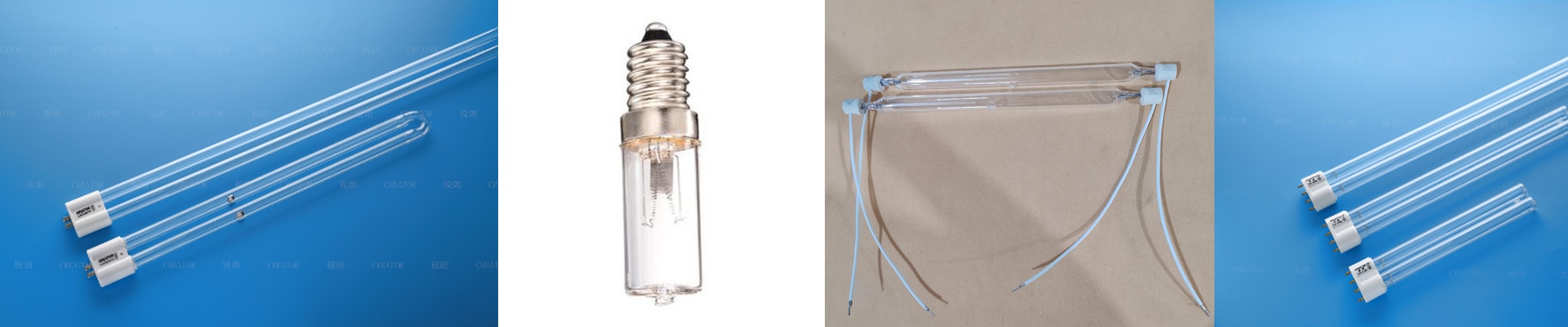
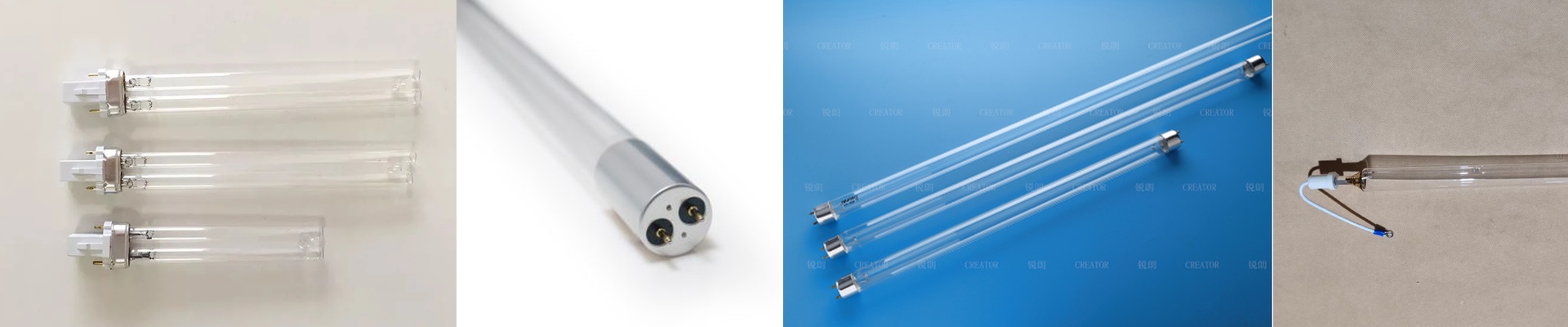
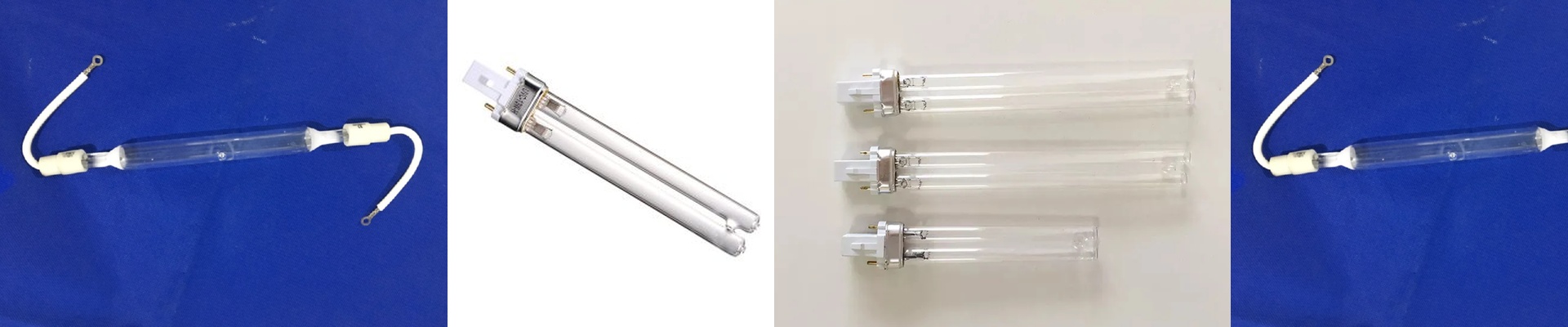
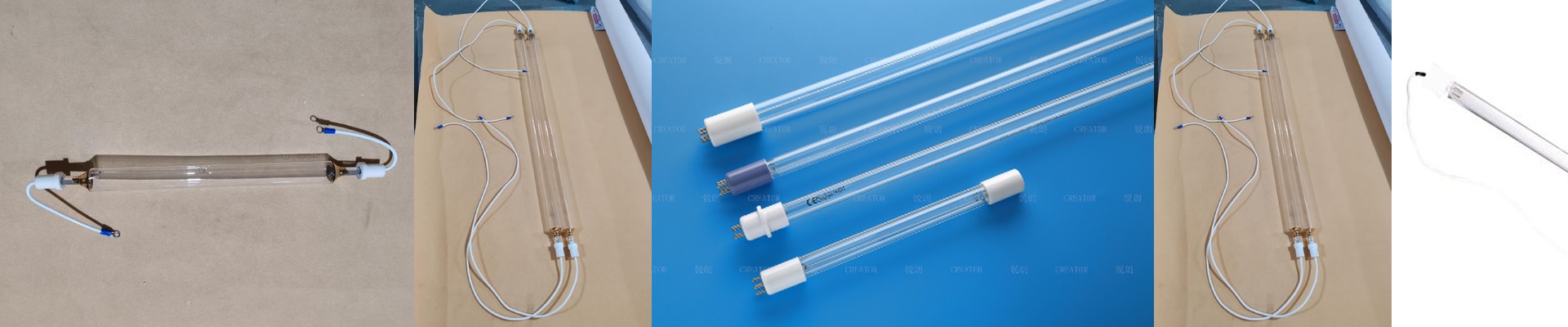
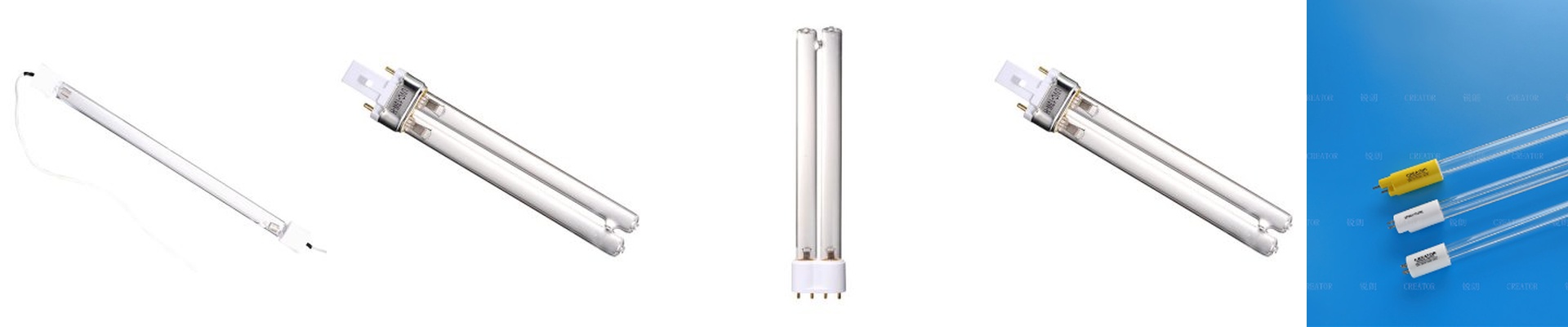
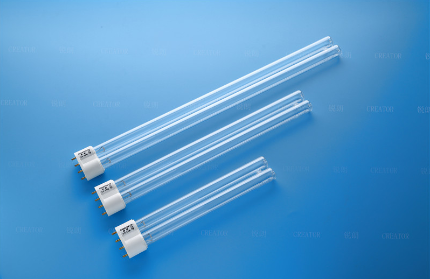
Most people think UV lamps are just for drying ink. But in the textile world, they do a lot more than that. We use them to lock in chemicals at every step, from the raw fabric to the finished shirt. The trick is that you can’t just throw one lamp at every problem. Depending on where you are in the production line, you need a specific wavelength and intensity. Get it wrong, and you’re just scorching your material. The science of the “hit” We build our lamps to hit specific triggers in the dyes and coatings you’re using. If you’re running a high-speed print line, you need raw power. High-wattage lamps trigger that instant “snap” (polymerization) that keeps patterns sharp. If the power is too low? The ink stays tacky. You’ll see smudges the second the fabric hits the folding machine. But you can’t just crank it to eleven. Too much heat and you’ll start melting your synthetic fibers. It’s a balancing act. Dealing with the heat Matching the lamp length to your conveyor is the easy part. The real headache is the heat. High-intensity UV puts out a massive amount of infrared radiation. To stop the fabric from cooking, we use specialized quartz glass and reflective coatings. This pushes the UV energy down into the fabric and keeps the heat away from the material. You also have to be smart about your cooling fans and heat sinks. If your airflow is weak, your lamps will burn out way too fast—or worse, you’ll warp the fabric. Keeping things moving We design these for the real world, which means making them easy to swap. Our connectors are standardized. Your techs can slide out a dead tube and pop in a new one without having to spend an hour recalibrating the whole rig. Most textile shops run 24/7. Because of that, we prioritize stability over “peak” numbers. I’d much rather give you a lamp that stays steady for 2,000 hours than one that hits a crazy high peak for a week and then tanks. It’s a small trade-off in raw power, but it means your production cycle actually stays predictable.