Introduction
Let’s talk about that one part of screen printing that always feels like a headache: the flash-drying step. You know the scene—that sharp smell of VOCs hanging in the air, that sticky residue that just won’t quit. It’s the kind of problem that lingers long after the job is done. So we built something to fix it. We designed a UV lamp system that doesn’t just put a bandage on the issue, but actually gets to the root of it. The whole idea is to keep the UV output rock-solid, so the ink cures completely. This isn’t about masking odors. It’s about breaking them down at the molecular level, for real.
Power and Stability, Without the Guesswork
Here’s the thing about this system: it’s all about power. We’re talking high-intensity UV output, engineered to get the job done fast. The lamp runs at a high-wattage density, blasting out the photon flux needed to cut straight through the ink. In seconds, it triggers full cross-linking, right when the flash dryer is moving at its pace. And it’s built to last. The UV output is designed to stay consistent over thousands of hours. No fading. No drop-off. That means you get the same reliable cure, job after job, without the risk of under-cured ink or that lingering smell coming back to haunt you.
Built to Get the Job Done
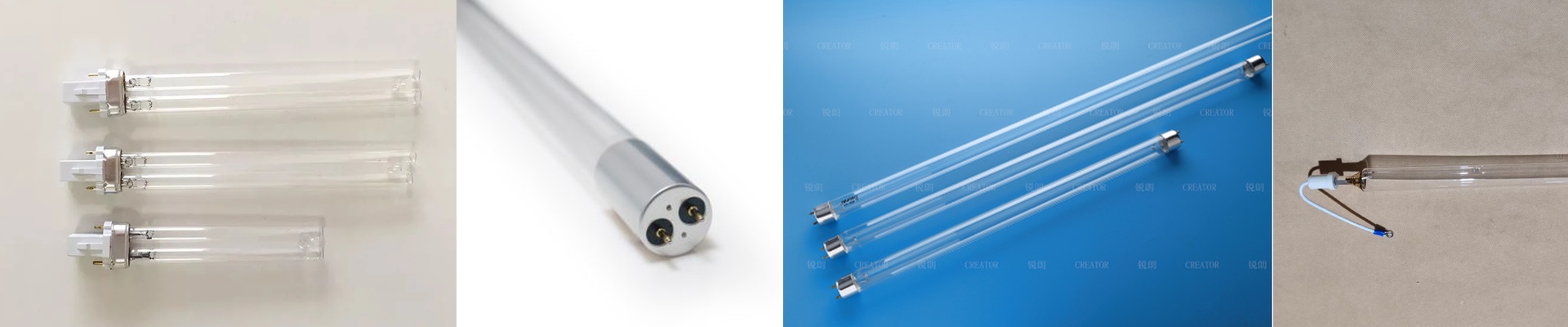
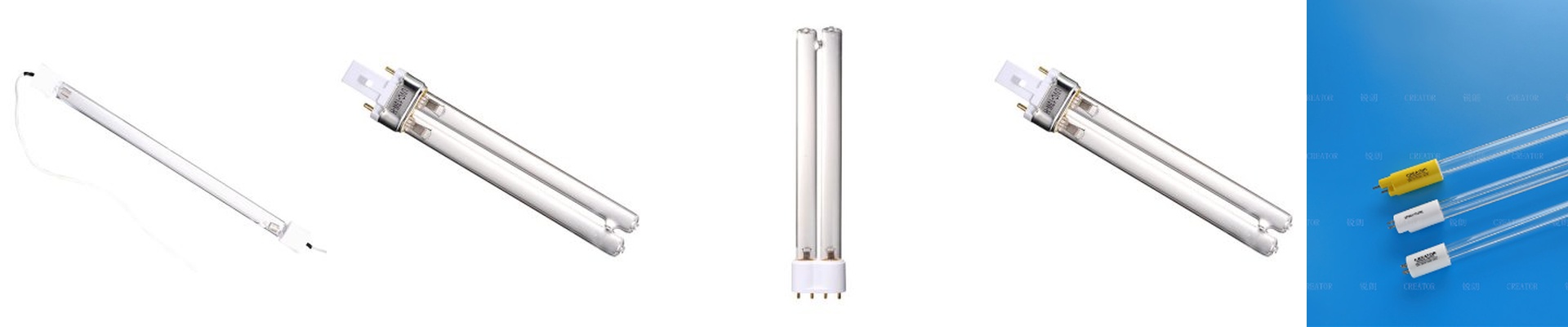
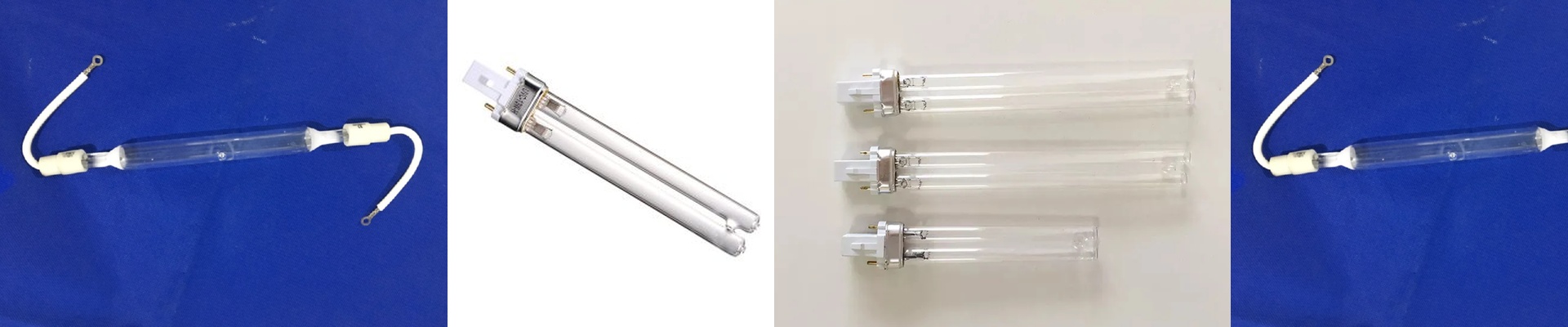
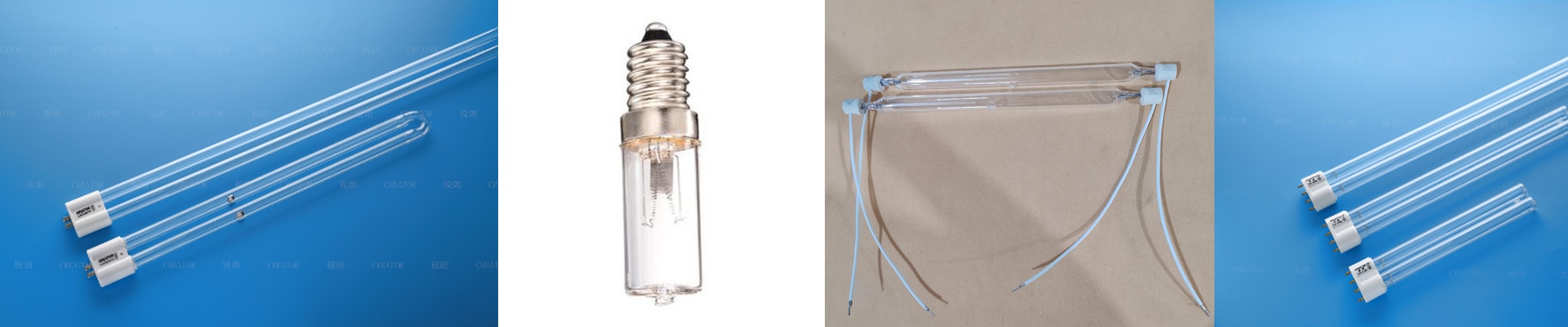
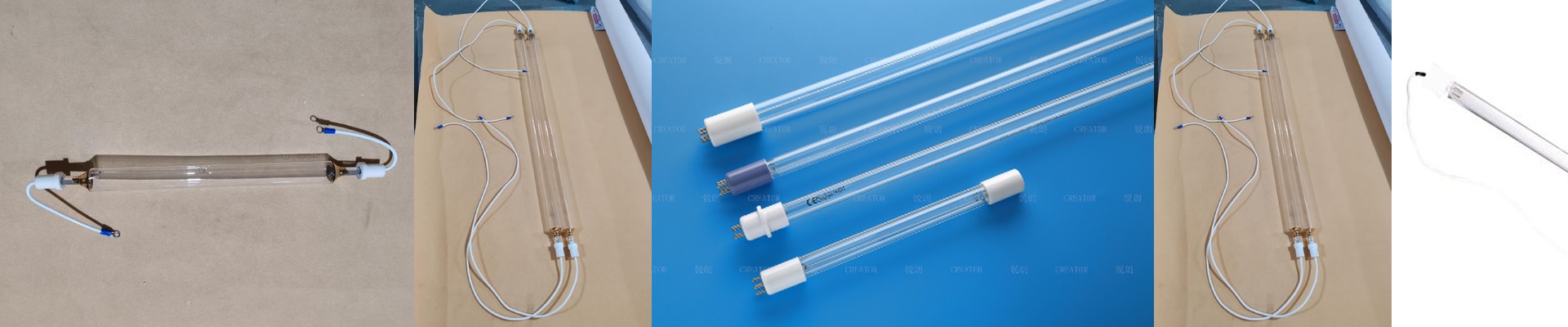
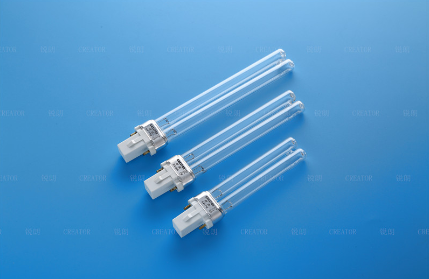
To really break down the VOCs, you need deep penetration. That’s why we use a shortwave UV source, tucked inside a quartz envelope. Quartz is the key here—it lets the exact wavelength through that’s needed for photocatalytic oxidation, hitting those uncured binders where they live. It’s a tough, industrial-grade build, made to handle the constant heating and cooling of a busy production floor. And when it’s time for a replacement, the connector interface makes it quick and easy. No wrestling, no messing around. Just a solid connection, so you can get back to work with minimal downtime.
A Cleaner Way to Work
On the shop floor, this is what it feels like: a cleaner process. The UV energy doesn’t just dry the surface. It completely catalyzes the volatile solvents and resins in the ink. The source of the odor? It’s gone. Not just pushed into the exhaust for someone else to deal with. Now, there is one thing to keep in mind: heat. This high-energy output needs a cooling system that’s up to the task. It keeps everything at the right temperature and protects your substrate. But for engineers, it’s a straightforward, drop-in solution. It cuts down on VOC emissions, lowers air filtration costs, and leaves you with a consistent, high-quality finish. Every single time.