Introduction
Let’s talk about the UV curing lamp on your fly tying bench. It’s the workhorse, the quiet hero that sets your resins and head cements in seconds. But here’s the catch: when its surface gets coated with resin mist and oily residue, its power starts to fade. And you know what that feels like. You’re left with incomplete curing and a pile of wasted materials. We built this lamp to handle the non-stop demands of the bench. But honestly, it only performs its best when you give it a little love. Keep it clean. Maintain it properly. It’s that simple.
The Nitty-Gritty
A good UV lamp has one job: deliver consistent, powerful output during those short curing windows. That means nailing the power and voltage to the task at hand. A stable electrical supply is key. If the power starts to drift, you’ll feel it. Your finishes end up tacky, and the bonds just aren’t strong. The lamp’s length is chosen to cover your typical tying area—just enough to illuminate the hook and thread evenly, without any hot spots. And when you’re pushing the lamp hard, heat is the enemy. Without proper heat management, the output drops and the lamp burns out way too soon.
What It’s Made Of
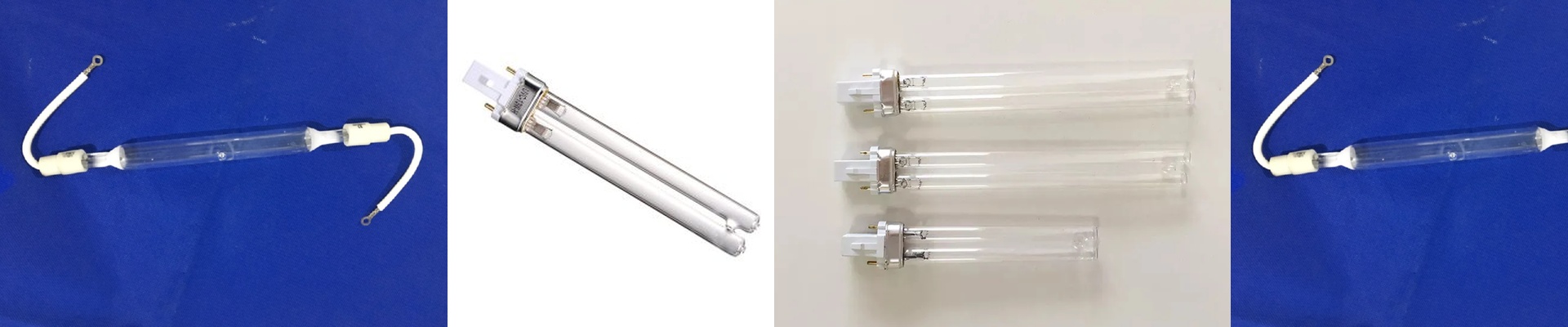
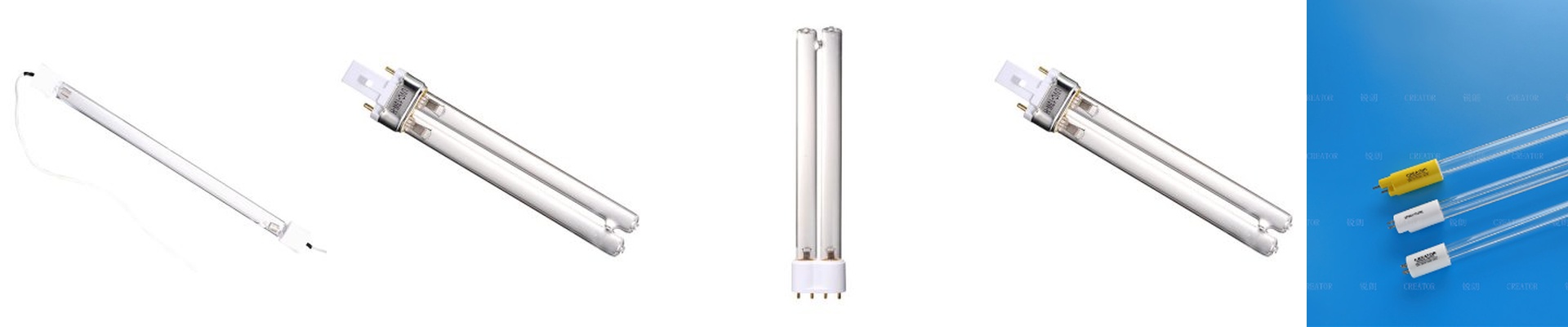
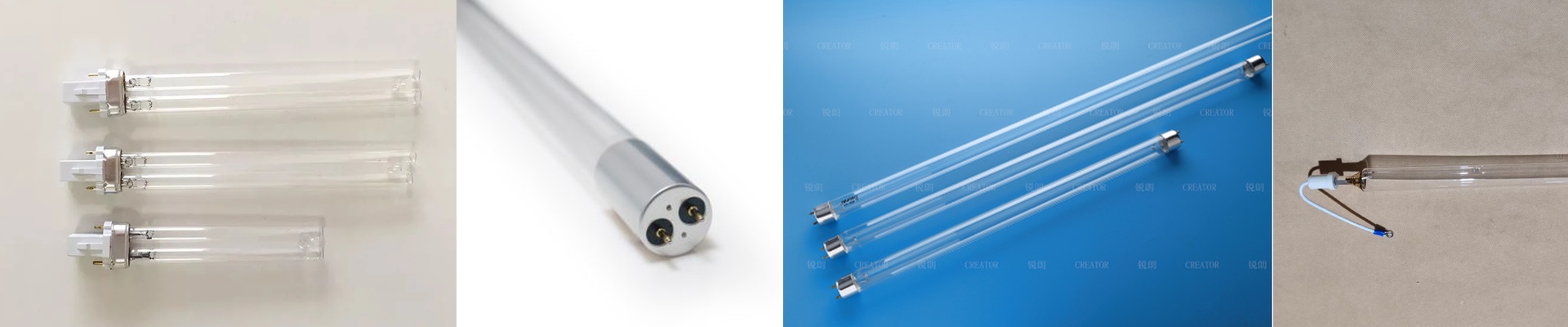
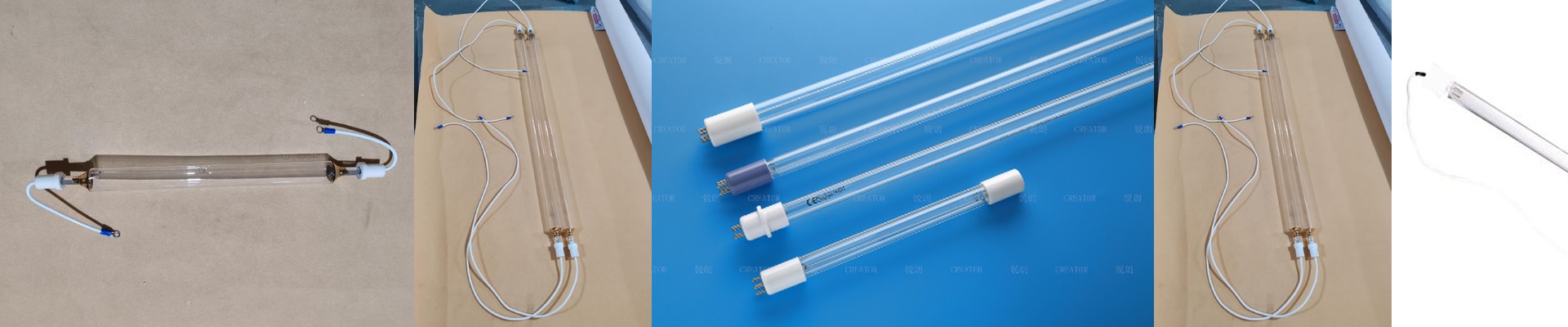
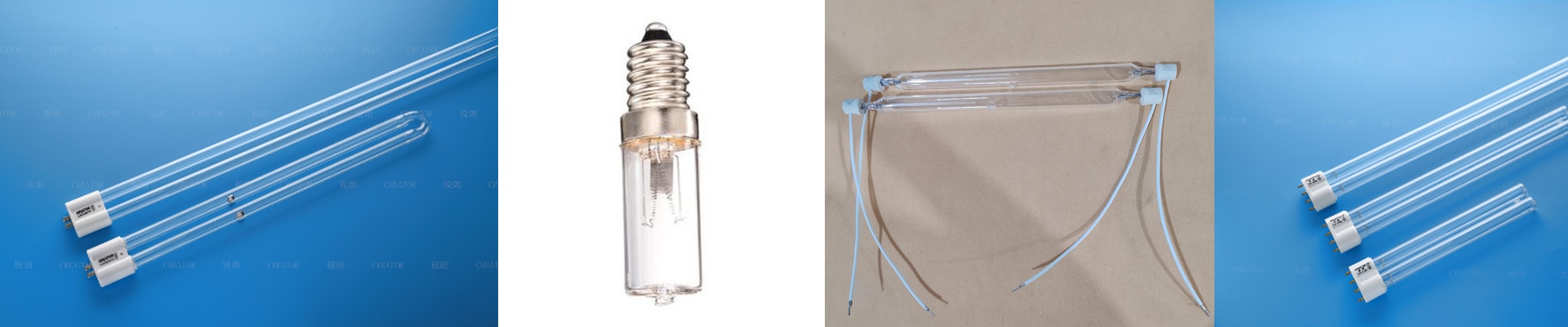
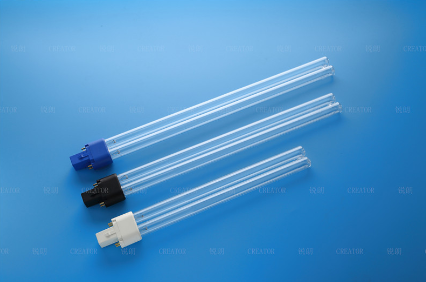
We use a quartz sleeve because it just works. It transmits UV like a champ and laughs in the face of thermal shock. The internal coating is engineered to keep the output steady, even as the temperature climbs. And we chose an R7s connector because it’s a direct, drop-in fit for standard sockets. No messing around with modifications. It just clicks into place, secure and solid, so you don’t have to worry about vibration failures. Replacing it is a breeze.
On the Bench
Out on the tying bench, this setup gives you one thing above all: repeatable curing. With almost no downtime. You’ll notice it. Fewer tacky finishes. Less wasted resin. Just a smooth, steady workflow. But there’s a trade-off, and it’s a simple one: heat. High-output lamps run hot, so your fixture needs decent airflow. If you cram a high-wattage lamp into a sealed box, the heat builds up and will shorten its life, not to mention hurt the output. The fix? Keep the surface clean with isopropyl alcohol and keep an eye out for residue buildup. Do that, and you can stretch the lamp’s life by about 30% compared to one that’s ignored. It’s a small habit that pays off.