


A Better Way to Handle UV Sterilization
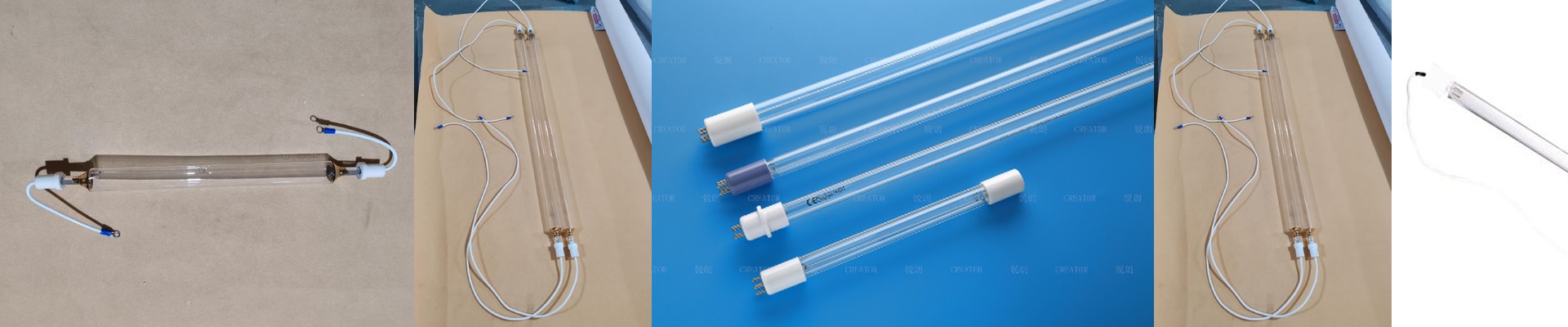
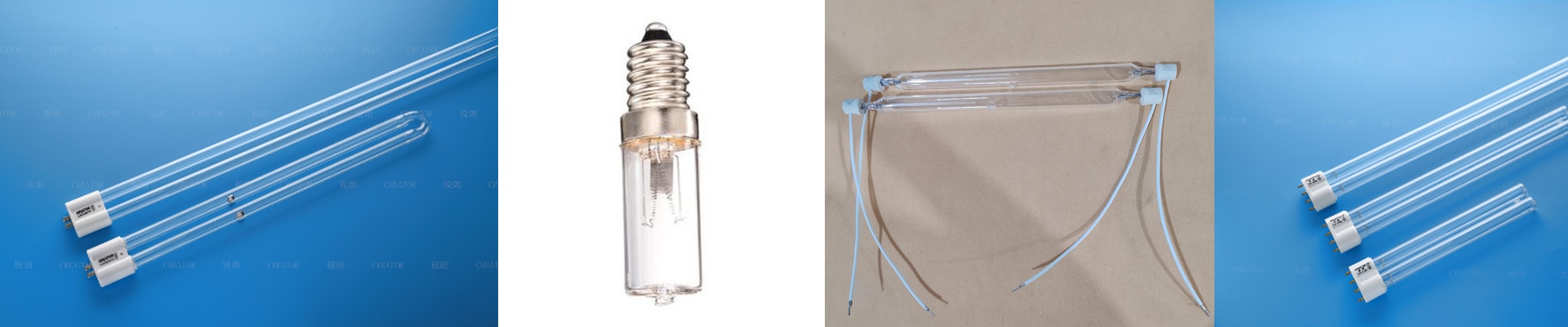
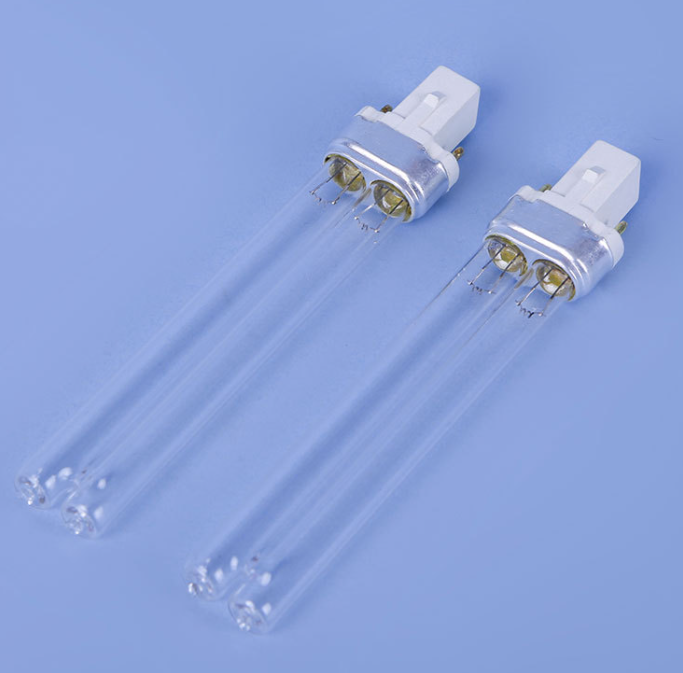
We built our latest UV lamp modules because we were tired of seeing the same two problems on high-speed printing lines: wasted energy and way too much heat. By the time the 2026 Printing Expo rolls around, we want the conversation to shift. It’s not about who has the most raw power anymore. It’s about precision. Getting the light right Here’s the thing about UVC output—it’s usually uneven. You get these “cold spots” that leave you with patches of incomplete curing or, worse, spots that aren’t actually sterile. We fixed that. We tuned the wattage and tweaked the wavelength so the output stays consistent across the entire tube. You get a steady, uniform field of radiation that does the job without cooking your materials. Cooling and the “Drop-In” Factor We stopped messing around with fixed housings. These new modules are basically drop-in replacements. To keep things cool, we used high-grade quartz glass. It stops the UV from getting absorbed by the housing, which means more light hits your target and less turns into heat. We also oversized the cooling fins to pull heat away from the ballast. Just a heads-up: if you’re running these at max wattage in a tight spot, make sure your exhaust fans can actually handle the airflow. Real-world setup Wiring these up is simple. We switched to standardized connectors because nobody wants to spend hours troubleshooting a wiring mistake on a noisy shop floor. These things are built to take a beating, too. We know industrial environments are dusty and vibrate constantly. We designed them to handle that chaos without flinching. Plus, we shrunk the footprint. By making the modules smaller without losing any power, we’ve given you some breathing room on your conveyor line. If you decide to speed up your line later, you can just add more stages. You won’t have to tear down and rebuild your entire machine frame just to grow.