

Building a Better UV Curing Module
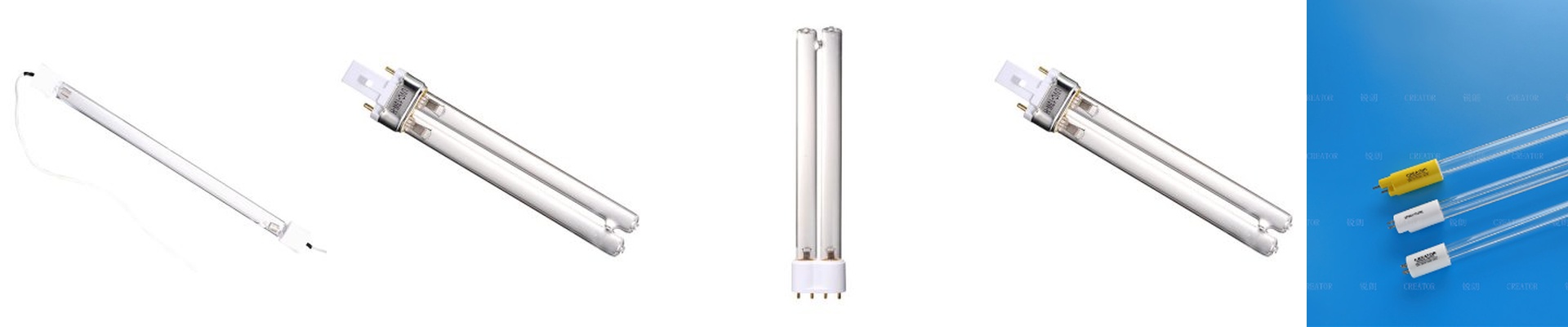
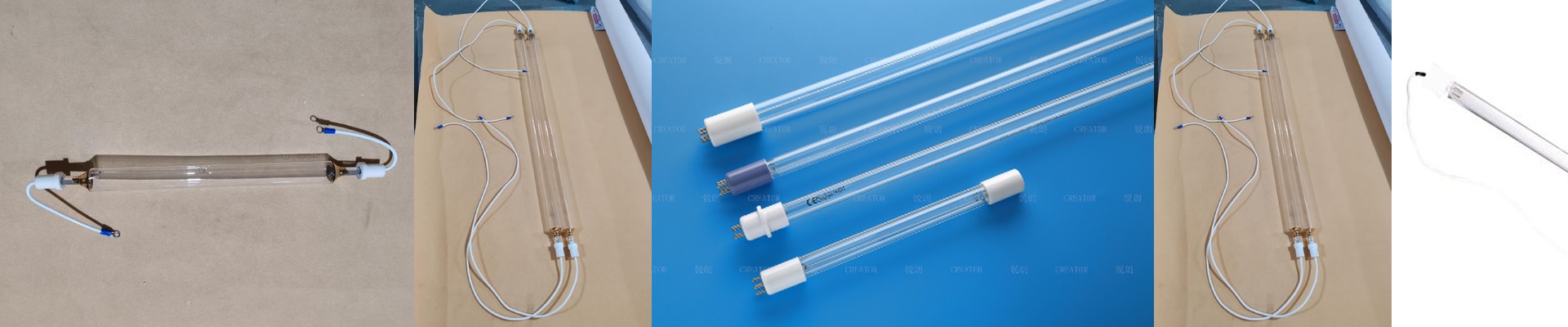
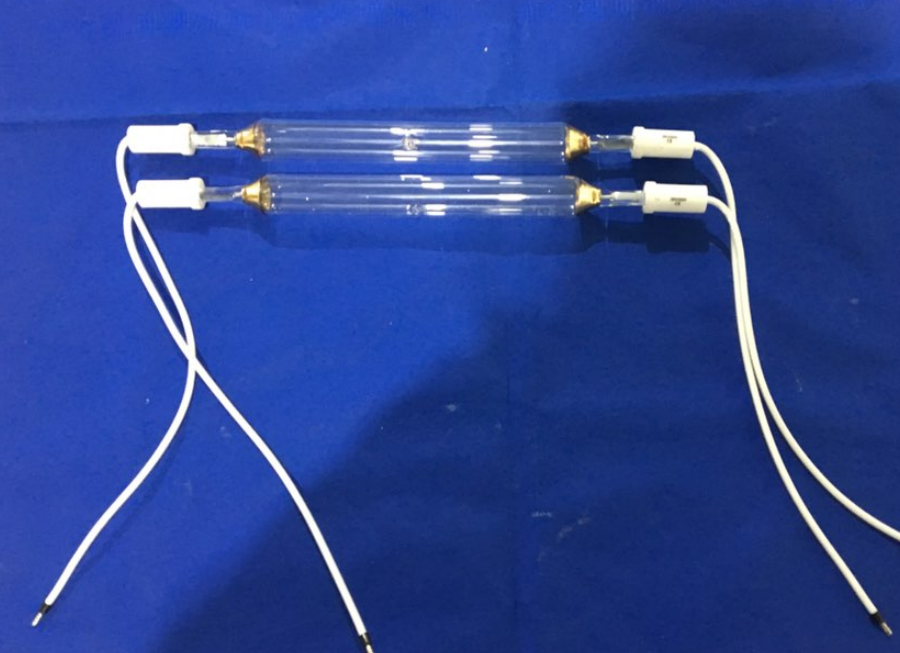
We didn’t set out to build just another UV lamp. We did it because we were tired of the gap between “generic” UV lights and what high-speed printing lines actually need to get the job done. When we showed these off at the 2026 Printing Exhibition, people noticed. Why? Because these aren’t some off-the-shelf parts you can find in a catalog. We’ve tuned them specifically for the way certain inks behave and the speeds your substrates actually move at. Hitting the sweet spot with power It all comes down to the balance between wattage and wavelength. We focus on narrow-band UV output so the ink sets in milliseconds. By tweaking the electrode shapes and the gas fill, we managed to cram more power into a smaller space. For you, that means you can crank up your line speed without having to build a longer curing tunnel. It’s just… faster. Dealing with the heat Here’s the thing: high-intensity UV lamps get hot. Really hot. To stop your materials from warping, we used specialized quartz glass and redesigned the cooling channels. But a word of caution—if you’re running these at full blast, your exhaust system needs to be up to the task. You’ve got to pull that heat away quickly, or you’ll end up burning the ink or killing the life of your lamp. The good news? We used standard connectors. You can just drop these into your old, sluggish systems and they’ll work. Real-world results (and the catch) Whether you’re sterilizing equipment or curing ink, these modules deliver. We’ve seen curing times drop by 30% in PET and textile printing. The result is a tighter cure and ink that actually stays put. But there is a trade-off. These units are hungry for power. They need a very stable voltage to keep from flickering or dipping in output. If your power grid is a bit “noisy,” do yourself a favor and wire up a dedicated stabilizer. It’s the only way to make sure your UV output stays rock-solid across a full 24-hour shift.