



Making UV Sterilization Actually Sustainable
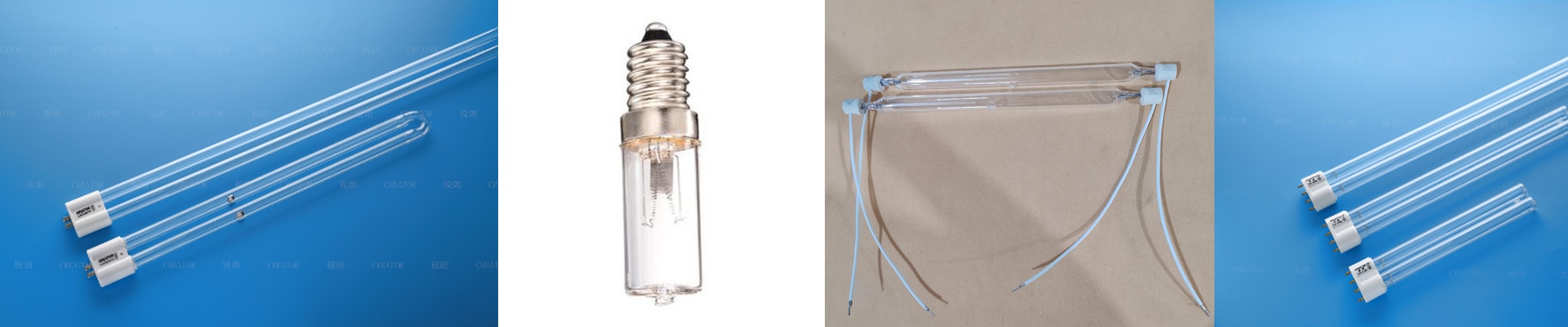
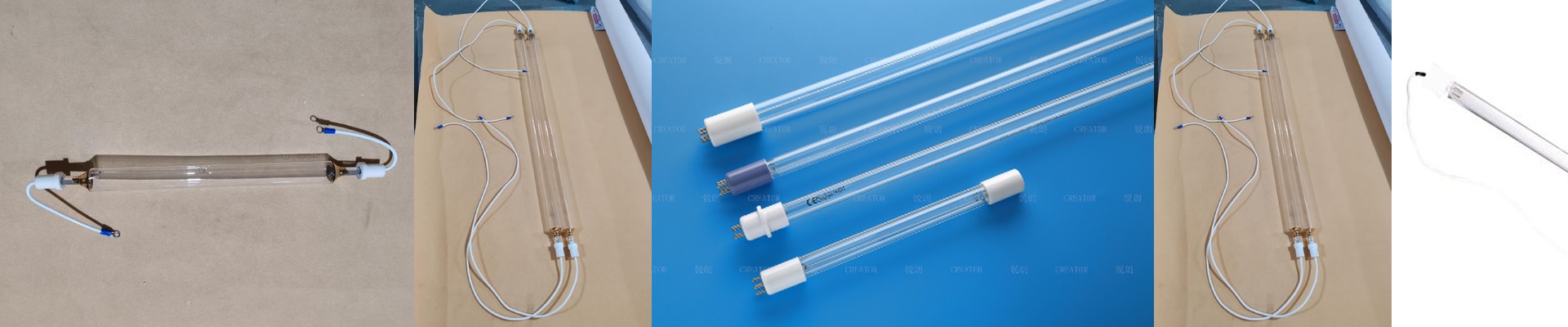
Let’s be honest: most industrial UV systems are a headache. You’re constantly swapping out lamps, and when you do, you’re left with a pile of hazardous waste that’s a nightmare to get rid of. We wanted to fix that. We decided to build a system that stops the waste and stops the constant maintenance. Here is how we did it. Cleaning up the materials The old-school lamps are full of stuff that shouldn’t be in a landfill. We ditched those legacy parts. Instead, we use high-purity synthetic quartz and mercury-free options. The quartz is the secret sauce here. It lets the UV-C light through without the gunk that usually makes tubes turn dark and die early. You get a clean, powerful output, but without the toxic baggage. Built to actually last Nobody likes downtime. It’s expensive and frustrating. We spent a lot of time tinkering with the electrode chemistry and the thickness of the glass. Why? Because it keeps the active gas from disappearing so fast. Now, I’m not saying these lamps live forever—nothing does—but they last way longer than what you’re probably using now. You’ll just see fewer burn-outs when your production line is running at full tilt. Getting it running We didn’t want you to have to rebuild your entire factory just to use our gear. These are designed as drop-in replacements. They fit right into the standard housings you already have. No expensive modifications. No drama. One quick heads-up, though. Because we prioritize longevity and eco-friendly materials, the initial “punch” of the light might feel a bit different than those short-burst, high-output lamps. It’s a simple fix. Just tweak your conveyor speed or adjust your exposure time to match the light levels. Once you’ve dialed in the timing and flipped the switch, it just works. You’ll spend less time worrying about maintenance and more time knowing your line is clean and green.