


Chasing the 0.5%
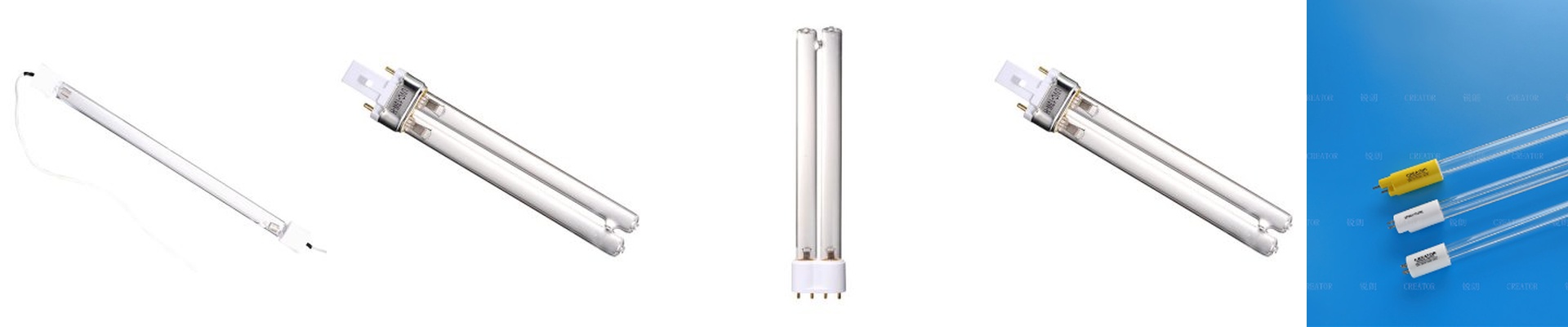
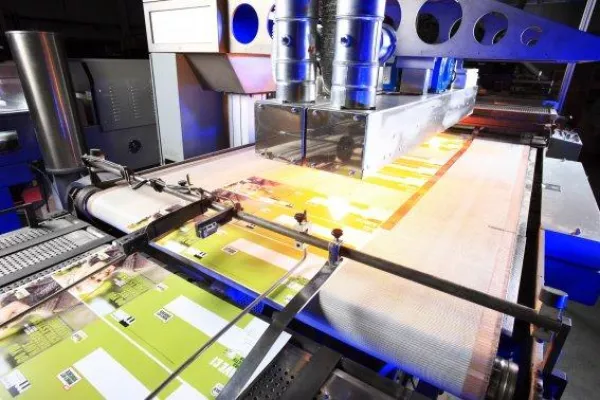
Most UV lamp suppliers will try to sell you on total wattage. But if you’re building an OEM product, you know that’s mostly noise. What actually matters is where that energy is concentrated. If your wavelength peak shifts even a tiny bit, you aren’t just changing a color—you’re slowing down your curing speed or, worse, ruining the material you’re working on. We spent months obsessing over electrode geometry and gas mixes just to hit a 0.5% energy concentration target. It was a grind, but it’s the only way to get it right.
The grit behind the physics
Getting that energy centered isn’t about throwing more power at the tube. It’s about control. We spend our time calibrating the mercury vapor pressure and the thickness of the quartz walls to stop internal reflections from eating your energy. If the gas pressure moves by a fraction, the spectral peak drifts. On a high-speed production line, that drift looks like “under-curing,” and that’s a nightmare for anyone running the floor.
No one likes a redesign
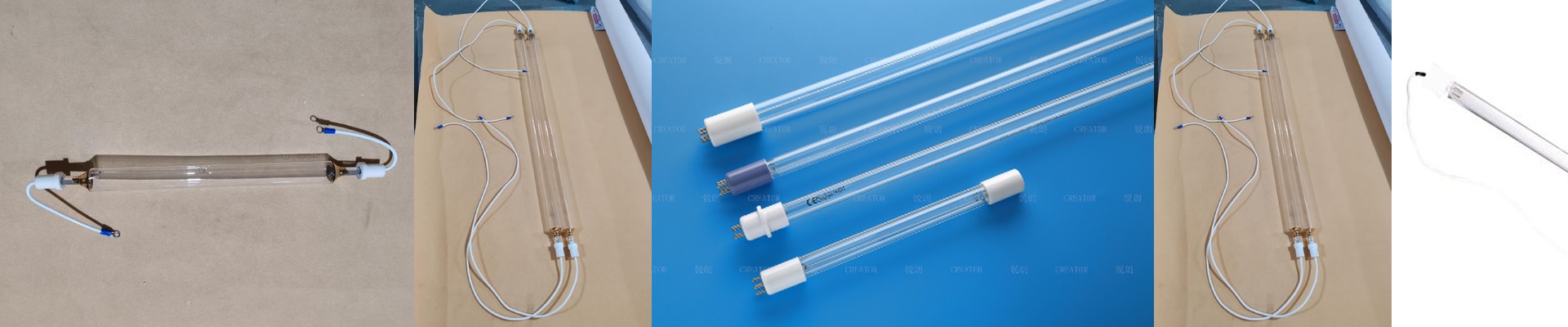
We make these lamps as drop-in replacements. Let’s be honest: you don’t have the time or the budget to redesign your entire housing just because a lamp showed up 2mm too long. We keep our dimensions tight—down to the micron—so they just fit. We also use high-purity fused quartz. This means the glass doesn’t soak up the UV-C output. More photons hit your product, and less heat gets trapped in the housing. It’s just more efficient.
The catch: Heat
Here is the thing. When you push for this kind of spectral concentration, you’re creating a lot of heat at the arc. You can’t just toss these in a sealed box and hope for the best. You need active cooling. If your airflow is blocked, the lamp overheats, the quartz stresses, and that 0.5% precision we worked so hard for just vanishes. Make sure your cooling fans can actually handle the BTU output of these high-intensity tubes. Otherwise, you’re just looking at a premature burnout. We don’t do guesswork. Every batch comes with the raw spectral data. You wire it up, check the irradiance, and get your line moving.