



Stop Guessing Your UV Output: The Move to Smart Mercury Tubes
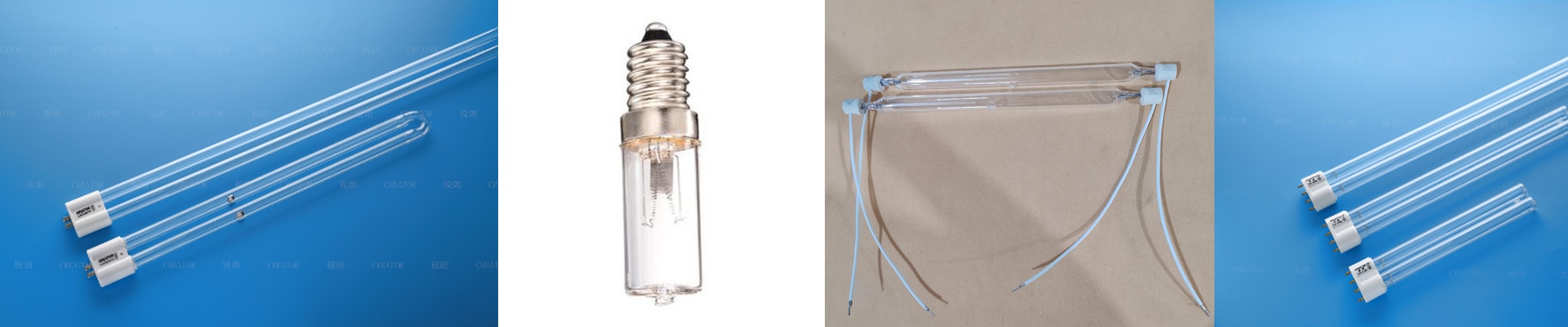
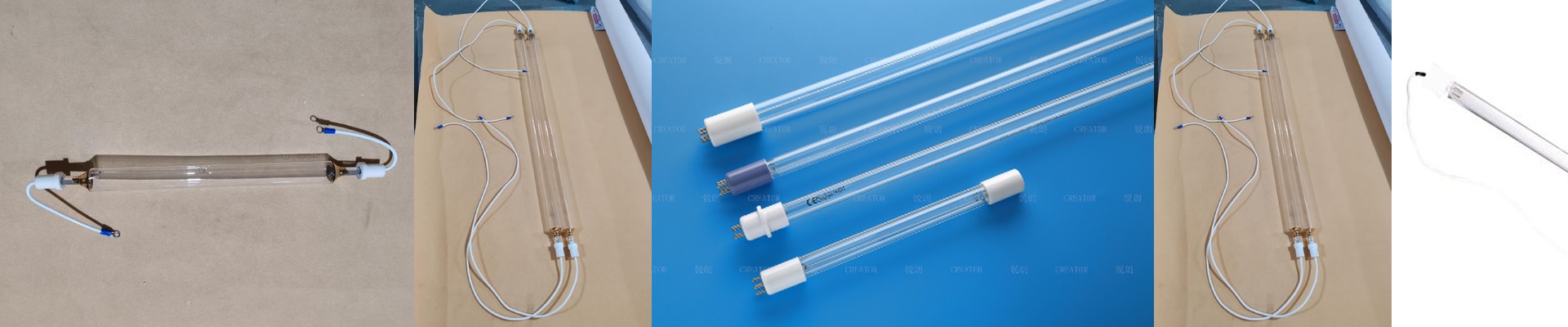
For years, mercury UV curing tubes have been the reliable workhorses of the industrial world. They’re tough. We build them to run for thousands of hours without breaking a sweat. But if you’ve spent any time on a factory floor, you know the headache: maintenance is basically a guessing game, and energy is leaking out of the system. The industry is finally moving away from “blind” tubes and toward systems that actually tell you what’s happening.
The problem with “invisible” wear
Here is the thing about mercury vapor lamps. They rely on a very specific mix of pressure and temperature to keep that UV output steady. We use high-end quartz glass and refined mercury blends to keep the electrodes from wearing out too fast. It works. But it creates a sneaky problem. You can’t just look at a lamp and see that its output has dipped by 20%. It looks fine. It looks bright. You don’t actually know there’s a problem until the product comes off the line and it hasn’t cured. By then, you’ve already wasted a batch of material.
Bringing the data to your screen
The fix is pretty simple: smart sensors. By tracking power consumption and spectral output in real-time, you can see exactly how a tube is behaving. You can watch the voltage and current draw from your desk and spot a tube that’s about to give up the ghost before it actually kills your production line. No more “I think it’s time to change these” or following a calendar that doesn’t account for actual wear. We tuck these sensors right into the ballast or the lamp housing. It gives you hard numbers on exactly how many kWh you’re using per unit. It turns “I think we’re wasting power” into “Here is exactly where the money is going.”
The honest trade-offs
Now, it’s not a magic button. Adding monitoring means your wiring gets a bit more complex. You’ll need a networked gateway or a compatible PLC to actually see the data. It isn’t a “plug-and-play” swap for a basic lamp. Also, those sensors take up a little bit of physical space on the lamp head. You might have to tweak your reflector alignment to make sure everything is hitting the target perfectly. But the payoff? Way less scrap. You stop cranking up the power to compensate for old, dying lamps. That saves a ton of electricity and, more importantly, it keeps your substrates from overheating and warping. It just makes the whole process feel… controlled.