Role
Sei un traduttore esperto madrelingua italiano specializzato in localizzazione con un solido background professionale nella produzione industriale e nell’ingegneria elettromeccanica.
Task
Traduci l’articolo tecnico industriale fornito in italiano con il massimo livello di accuratezza professionale.
Input Text
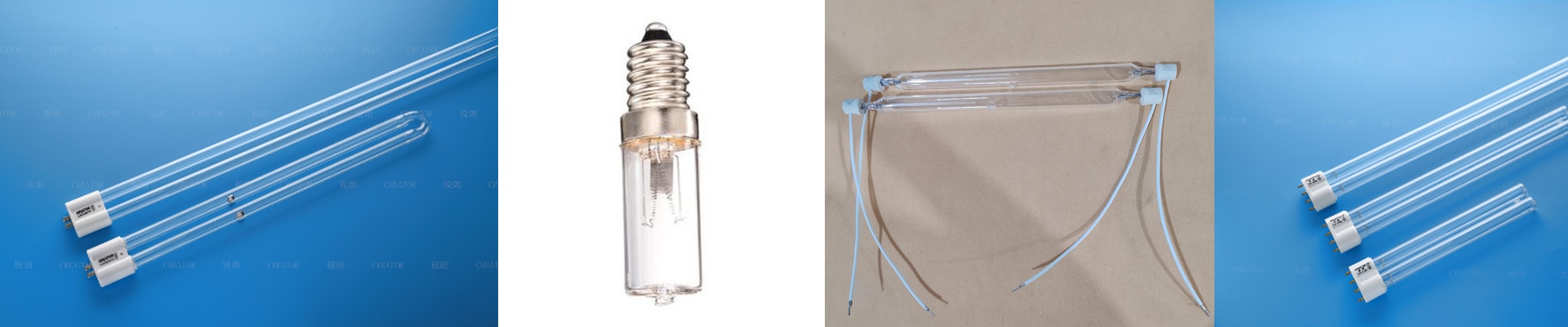
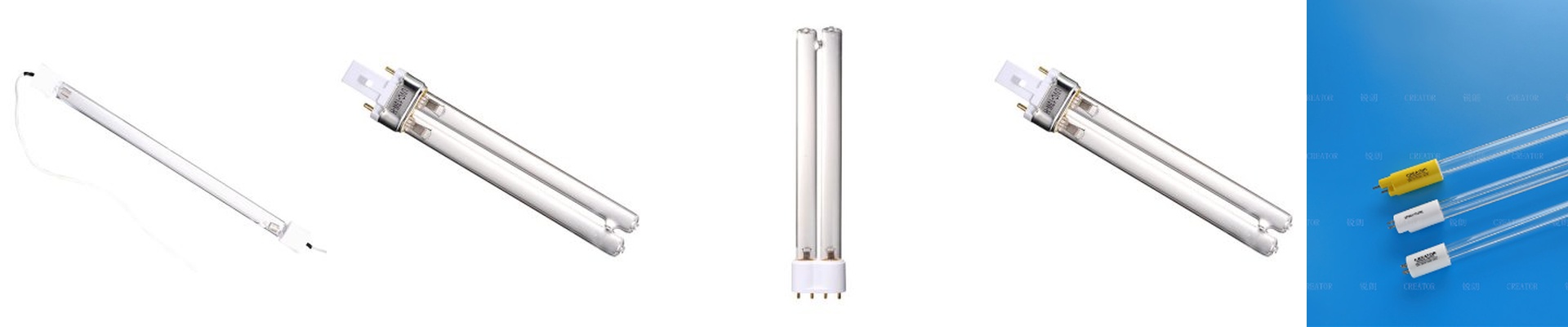
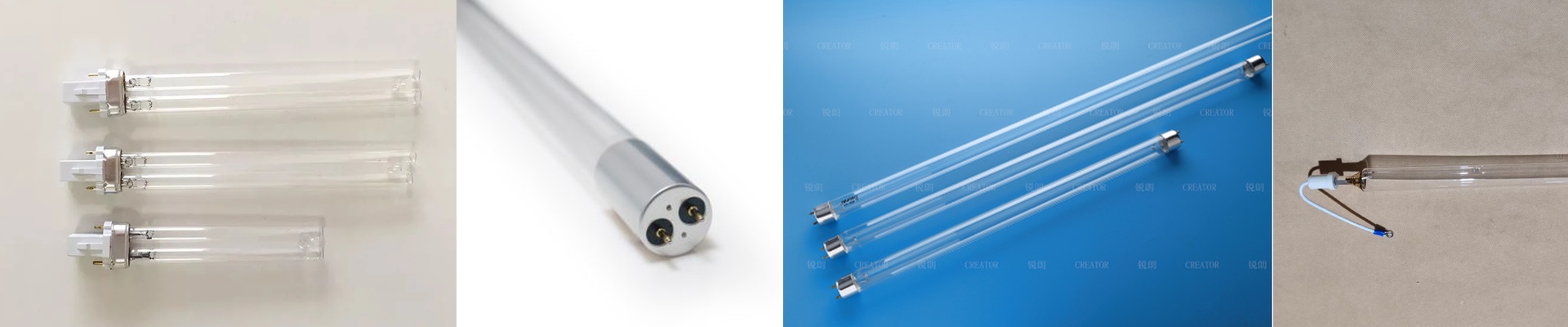
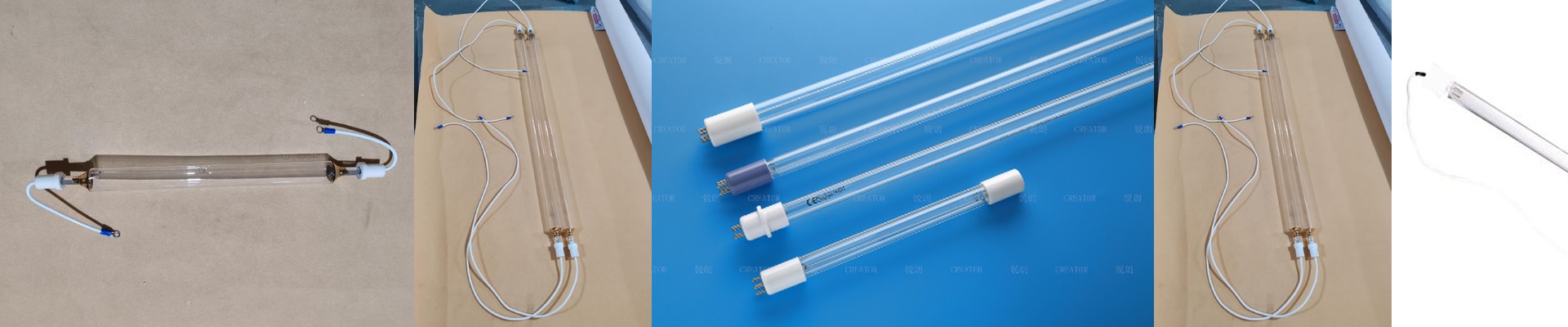
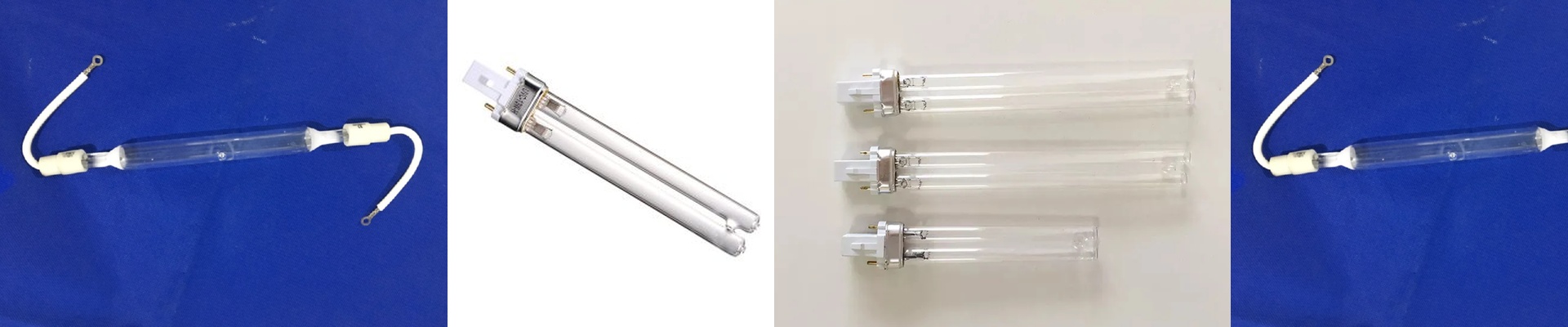
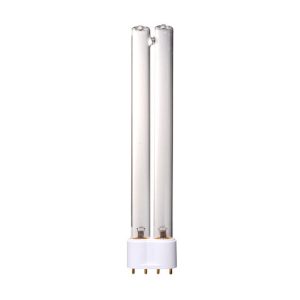
In cold storage and cold-chain work, standard UVC lamps don’t just underperform—they die fast. At -20°C, you’re not dealing with a textbook problem. You’re dealing with arc instability and a real drop in spectral output, day after day. When microbial control slips, the shop gets hit with recalls and downtime. We built a low-temperature UVC lamp to keep germicidal irradiance steady where conventional systems fade. What matters on the line isn’t marketing—it’s energy delivery. Our lamp holds stable 254nm output in sub-zero conditions by pairing a cold-tolerant arc tube with a thermally managed electrode and a pressure-matched envelope. The payoff is dose control you can count on, not guesswork. Rated lamp life is 1000 hours, so you schedule maintenance instead of chasing failures. Peak irradiance stays repeatable across the life curve, so disinfection performance doesn’t drift. Here’s why it holds up in practice. In refrigerated rooms and freezer tunnels, the system maintains arc stability without relying on external preheating, so you keep the UVC dose needed for microbial inactivation. The all-quartz envelope and ozone-free design are built for high humidity, frost cycles, and condensation. It’s the same hardware across stationary chambers, conveyorized lanes, and mobile sanitation rigs. Now, the real-world constraints. At -20°C, startup takes a bit longer. Let the lamp reach thermal equilibrium before you expect full output. Mounting has to account for reflector condensation—keep the fixture out of the cold airstream or use a sealed housing. And match ballast voltage and connector type to what you already run. Compatibility isn’t a nice-to-have; it’s what keeps performance consistent.
Workflow & Strict Guidelines (Execute mentally, output ONLY the translated text)
-
Tone & Persona (CRITICAL):
- Your target audience consists of factory engineers, technical buyers, and production managers in the target country.
- The tone must remain strictly objective, rigorous, factual, and direct.
- ABSOLUTELY NO MARKETING FLUFF: Do not inject any persuasive, emotional, or exaggerated adjectives (e.g., perfect, ultimate, revolutionary, best) into the translation. Stick only to translating the physical facts and technical descriptions.
-
Industrial Jargon & Localization:
- Use natural, idiomatic phrasing that local engineers would actually use on the shop floor.
- Ensure a fluid translation that conveys the exact meaning. Do NOT use rigid, word-for-word machine translation.
-
Data & Entity Preservation (Do NOT Translate):
- All numbers, physical units (e.g., W, V, mm, ℃, Hours), and specific model codes/SKUs (e.g., R7s, SK15, IR, PET) must be kept exactly as they are in the source text.
- Do NOT convert measurement units (e.g., do not change mm to inches).
- Keep brand names or designated English proper nouns in English.
-
Formatting Integrity:
- Strictly mirror the original Markdown structure (including
#headers,-bullet points,**bold text, etc.). - Ensure you apply the correct punctuation and spacing rules specific to Italian (e.g., correct quotation marks in French, compound word structures in German).
- Strictly mirror the original Markdown structure (including
Output format
Output the final translated text in Italian directly. Do NOT include any introductory, explanatory, or conversational text. Do NOT wrap the output in Markdown code blocks (like ```).